Clean Room Solutions

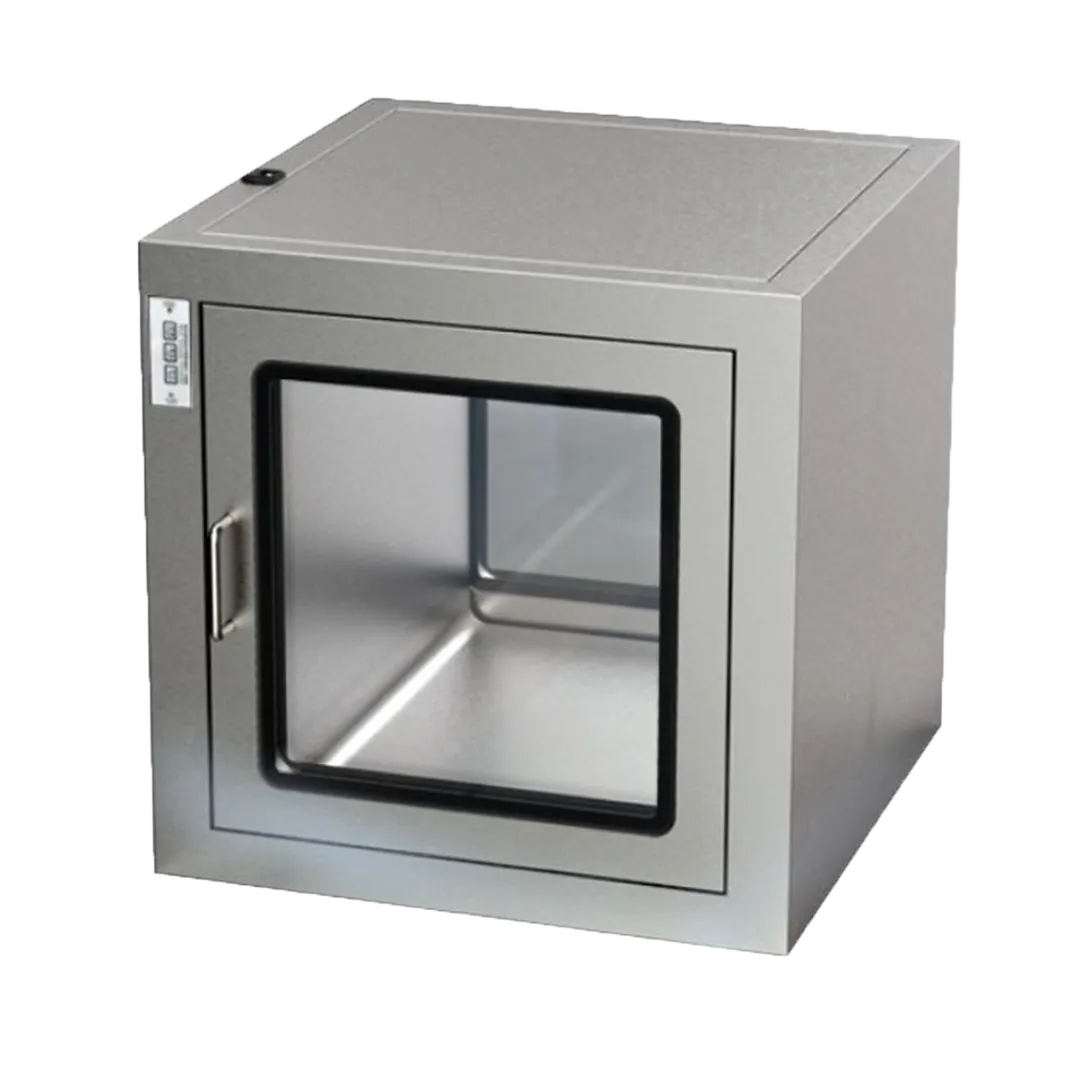
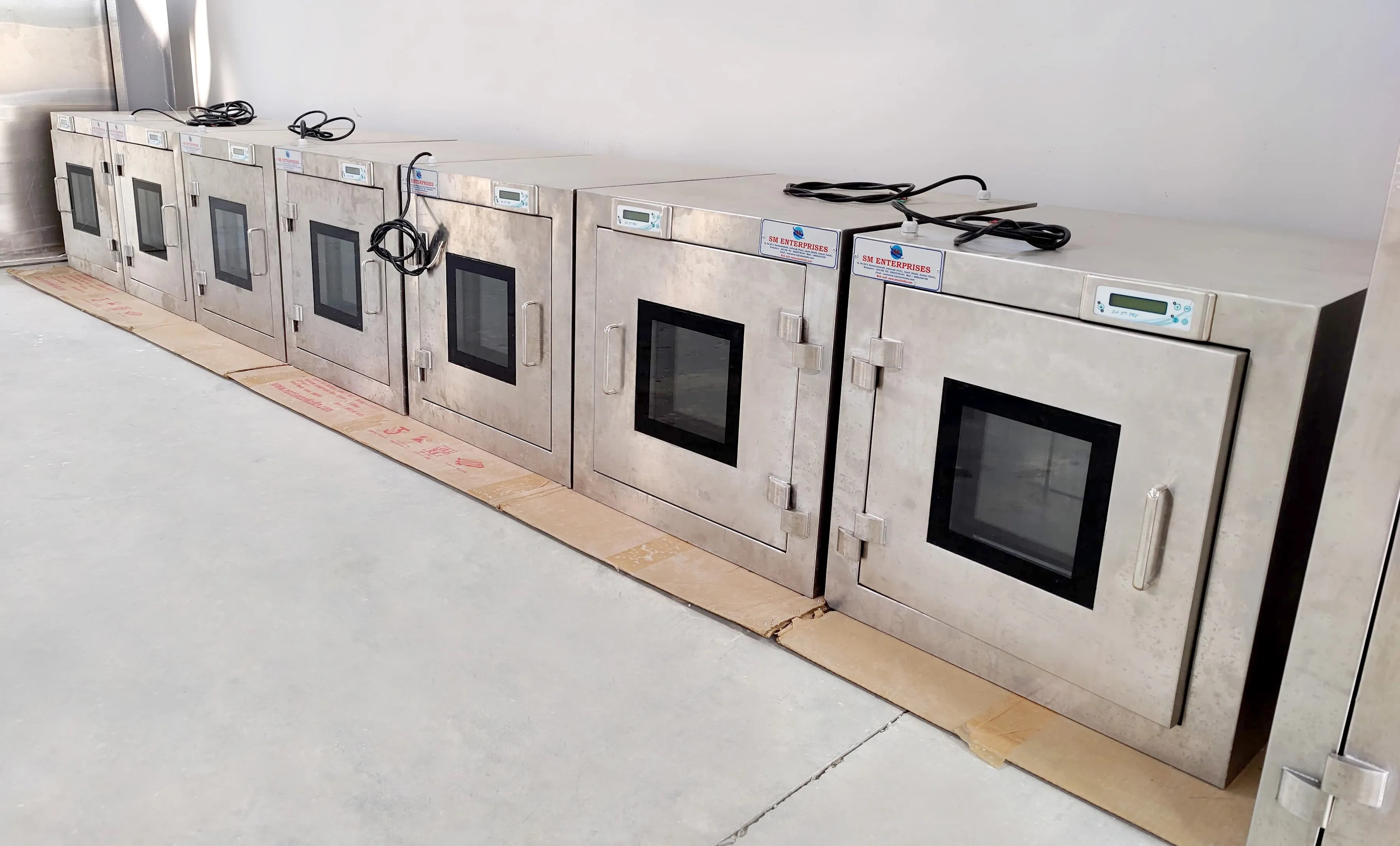
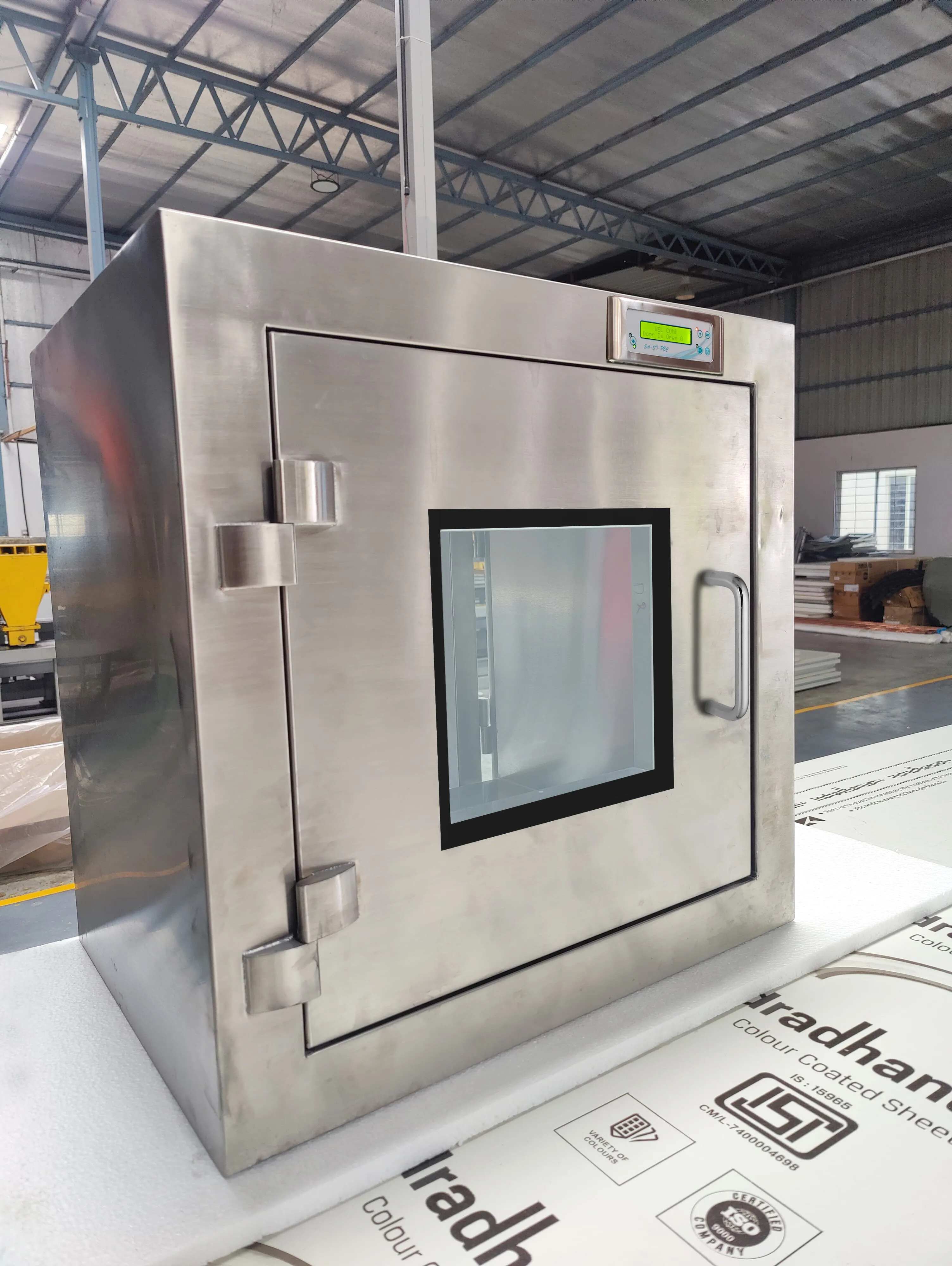
Static Pass Box

Static Pass Box

  • SS-304/316 construction with smooth finish
  • Mechanical/electromagnetic door interlocking system
  • UV light and viewing glass provision
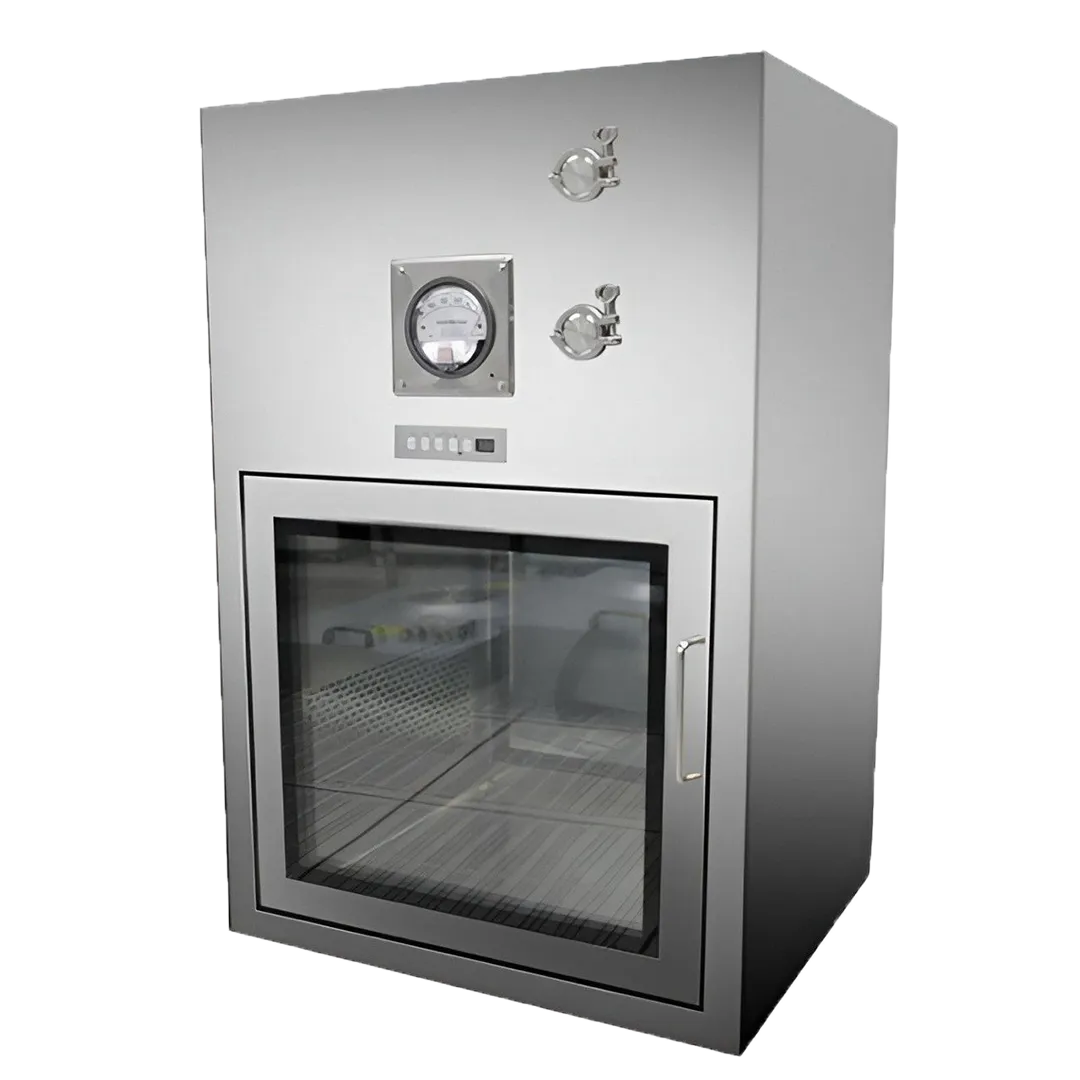
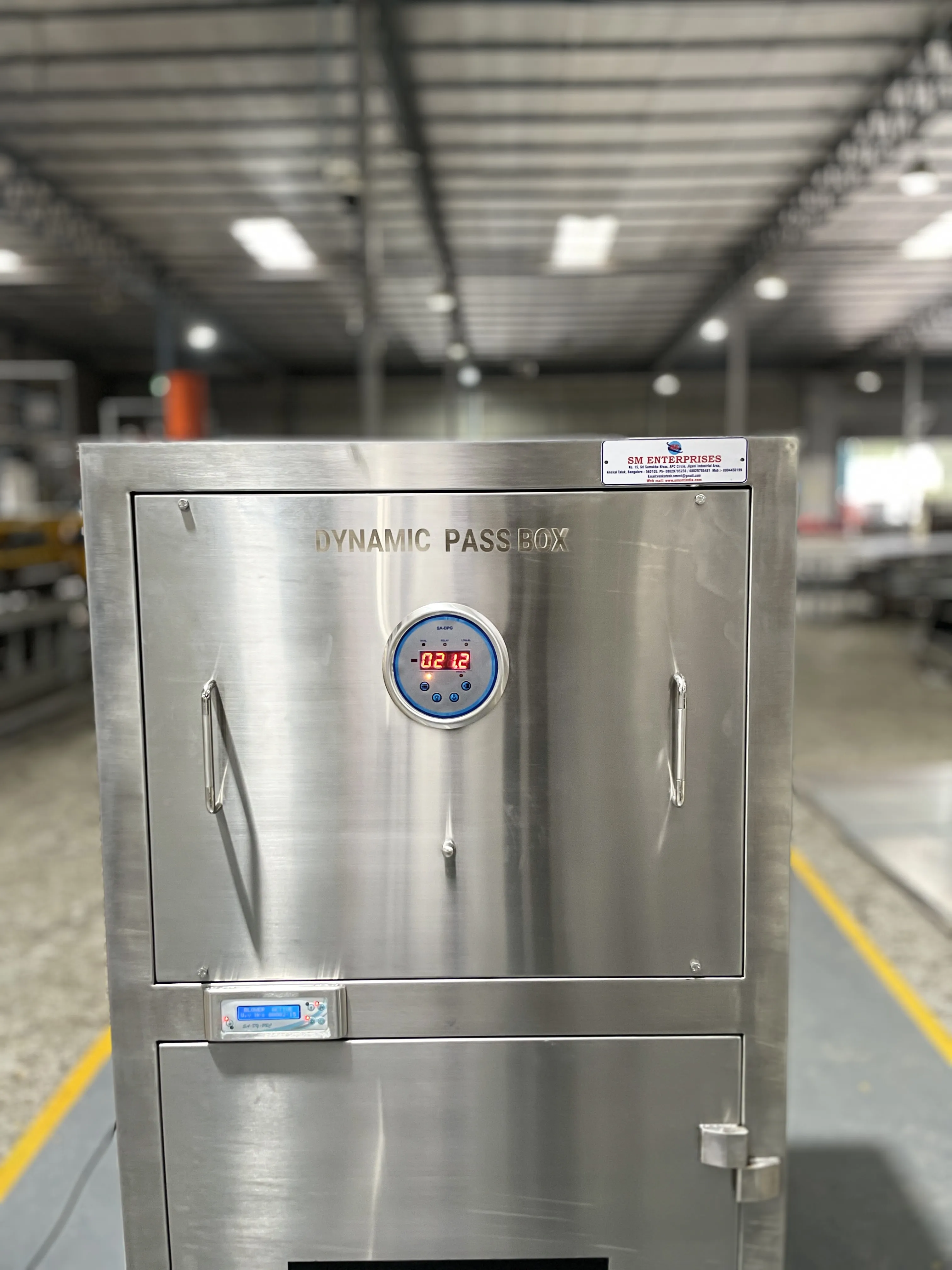
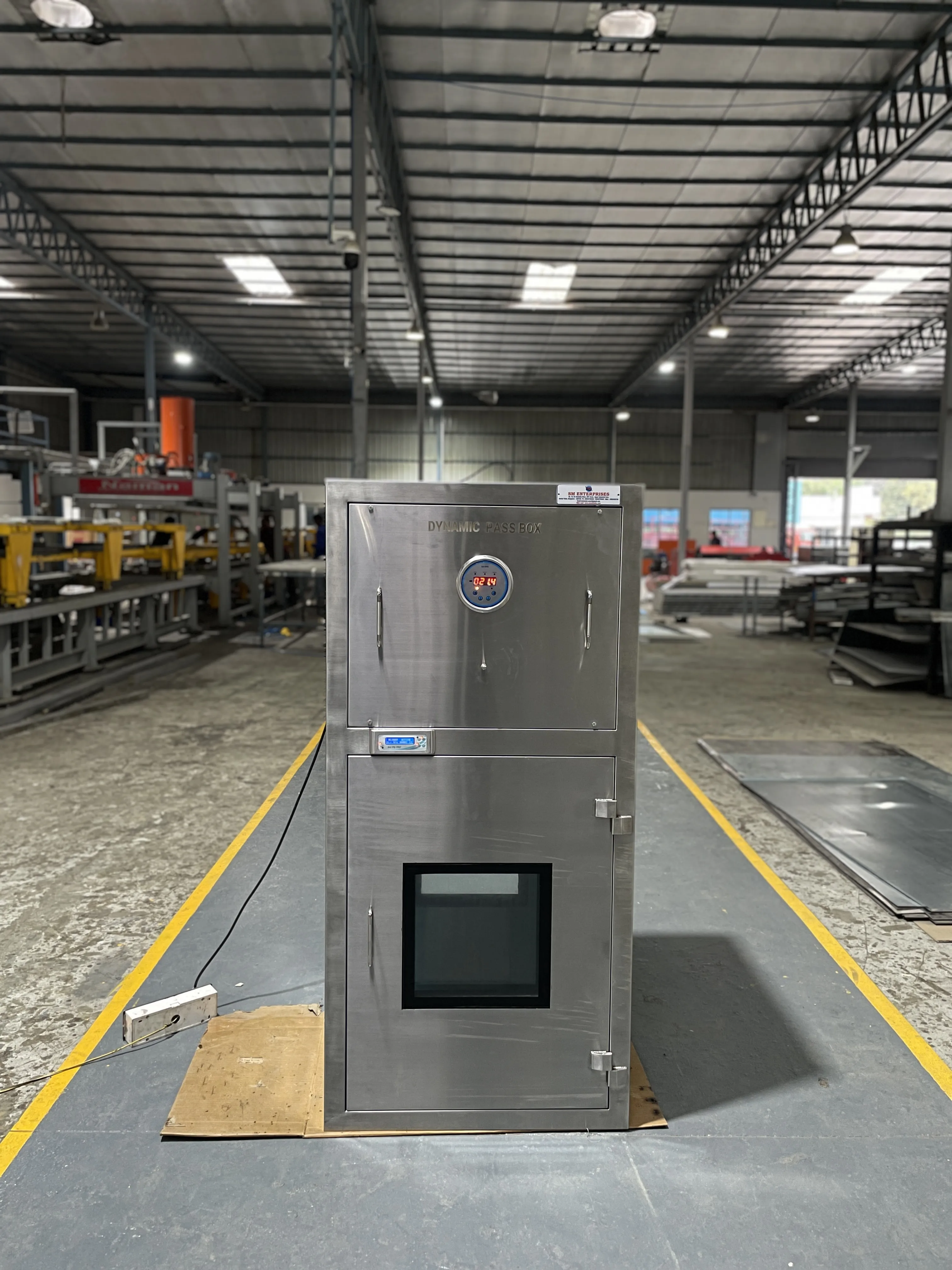
Dynamic Pass Box

Dynamic Pass Box

  • HEPA filtered airflow with cleanliness up to Class 100
  • SS-304/316 body with pressure differential gauge
  • UV light and interlocked doors
Laminar Air Flow

Laminar Air Flow

  • Vertical/horizontal laminar airflow with HEPA filtration
  • SS-304/GI powder coated construction
  • Low noise motor blower assembly
Mist Shower

Mist Shower

  • SS-304/316 construction with mist nozzles
  • Automatic sensor-based operation
  • Integrated drainage and water circulation system
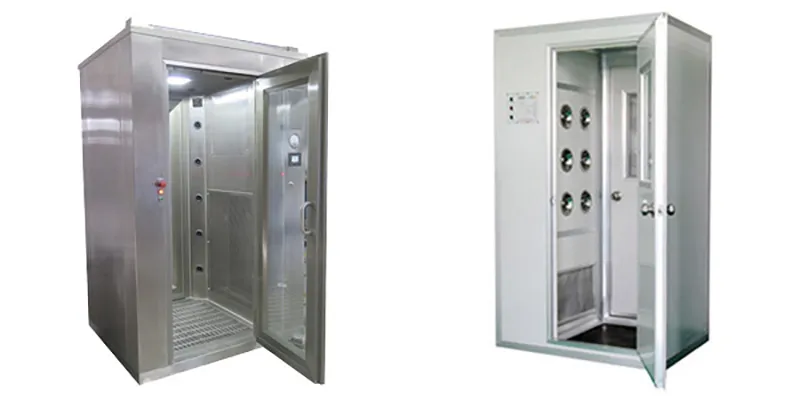
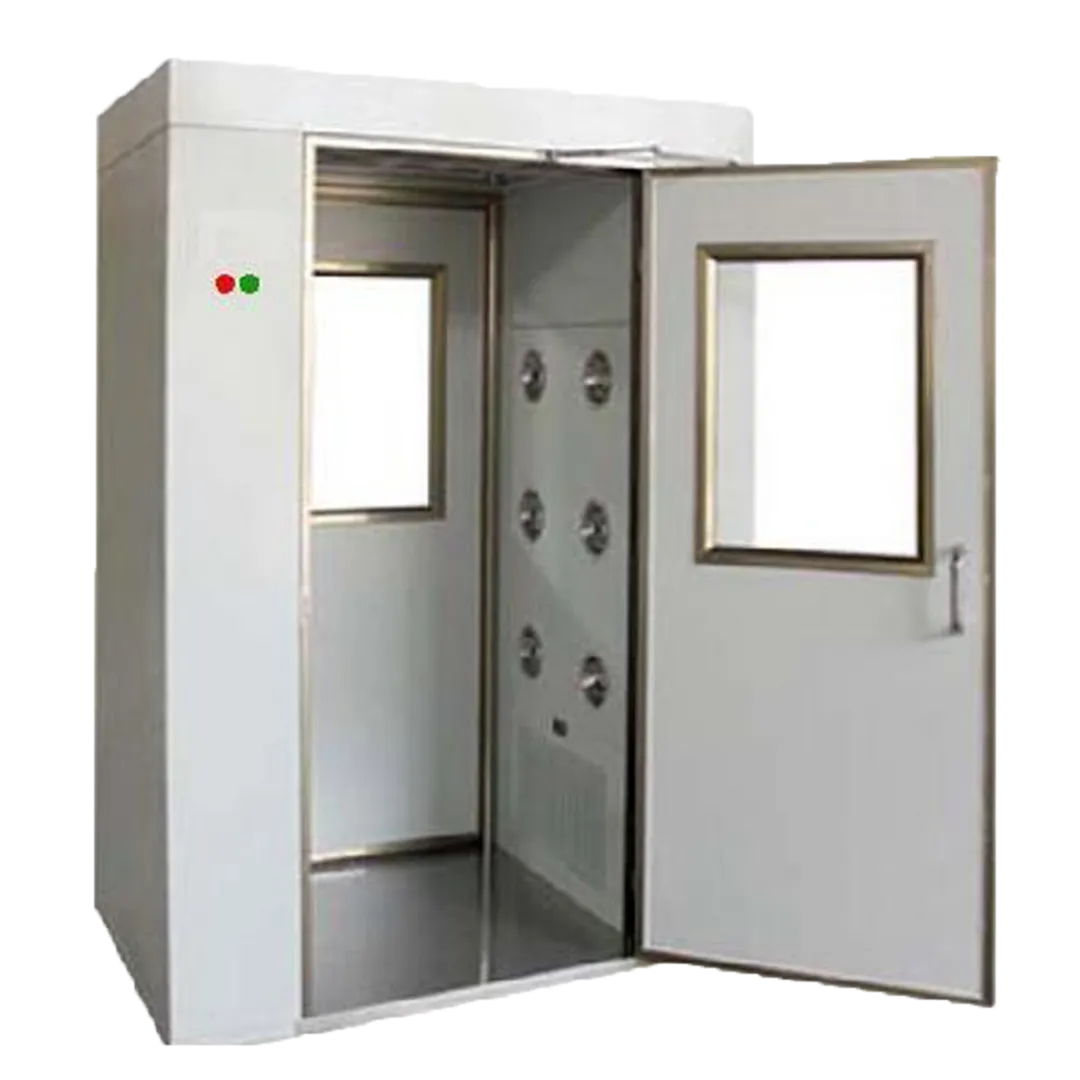
Air Shower

Air Shower

  • High velocity HEPA filtered air jets
  • SS-304/316 construction with interlocked doors
  • Automatic operation with control panel
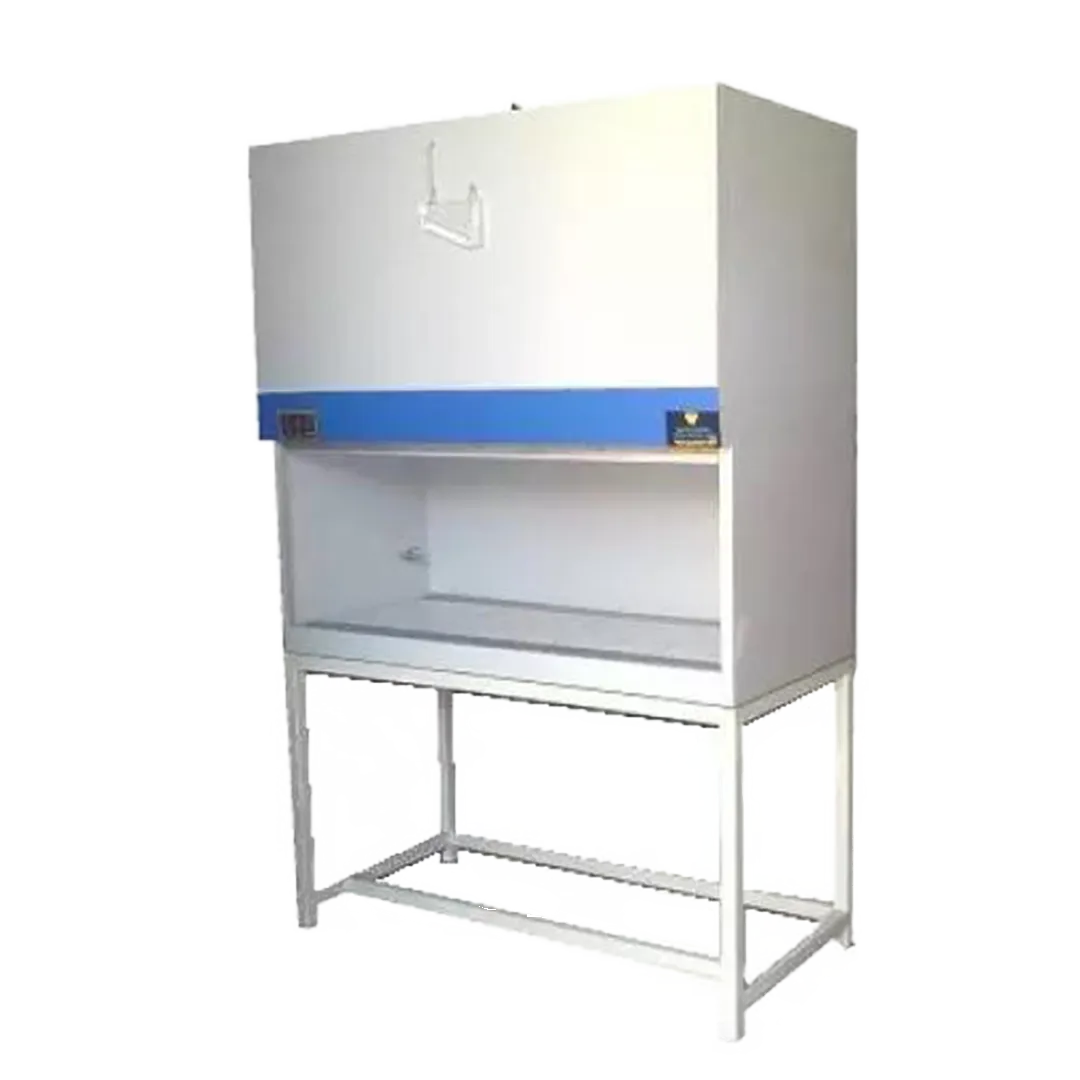
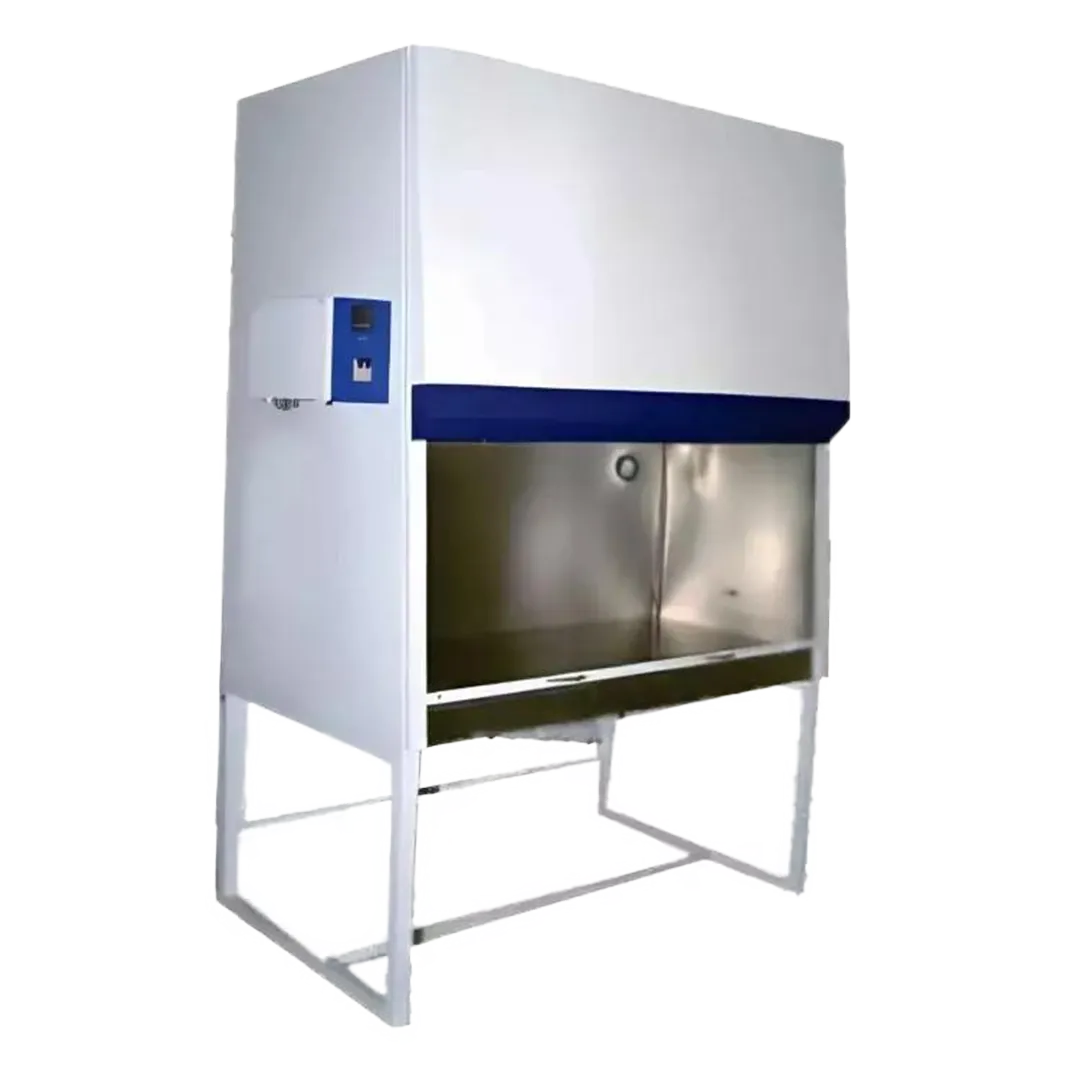
Bio-Safety Cabinet

Bio-Safety Cabinet

  • HEPA filtered Class II biosafety operation
  • SS-304/GI powder coated body construction
  • UV light and low noise blower system
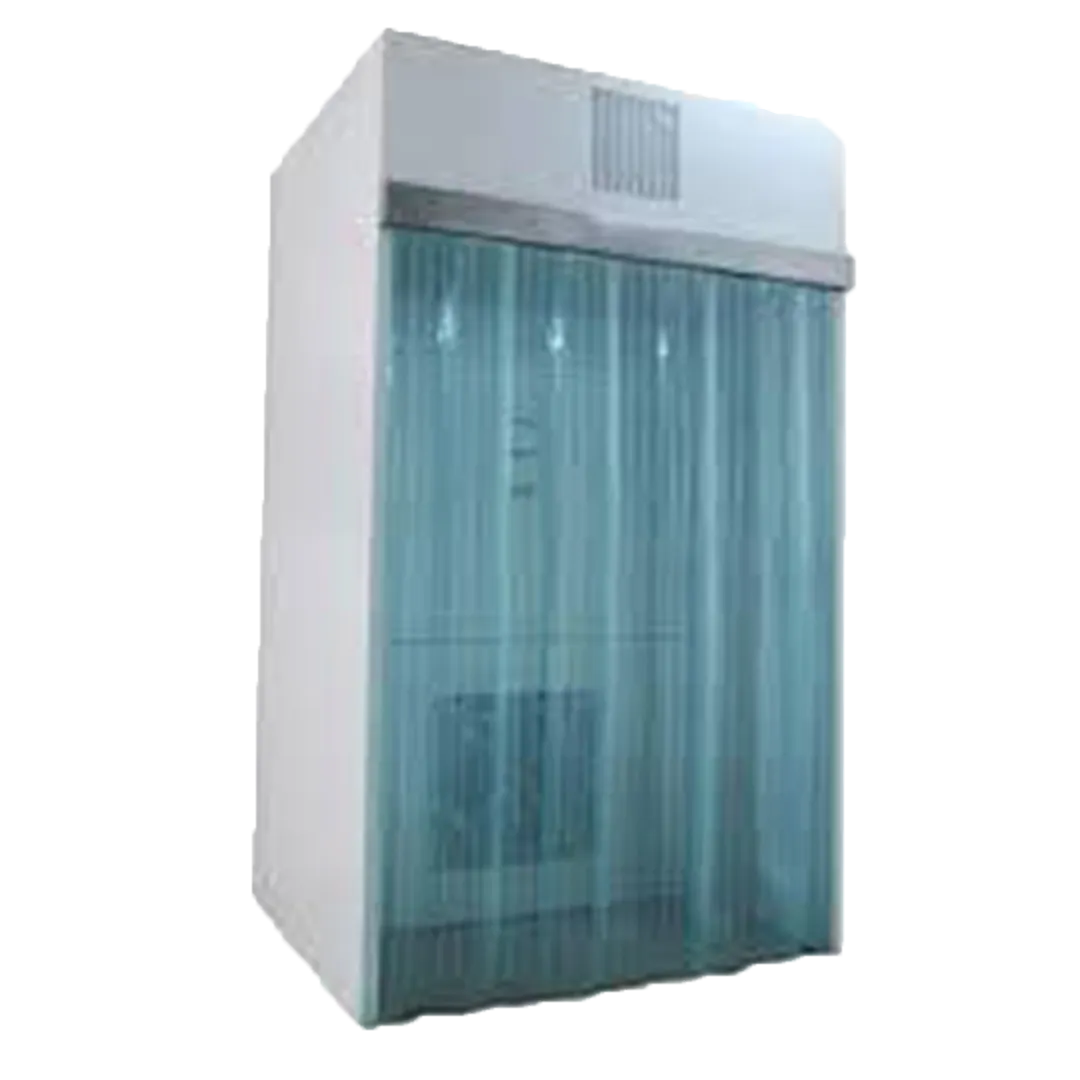
Sampling Dispensing Booth

Sampling Dispensing Booth

  • Reverse laminar airflow with HEPA filtration
  • SS-304/316 construction
  • Low noise centrifugal blower system
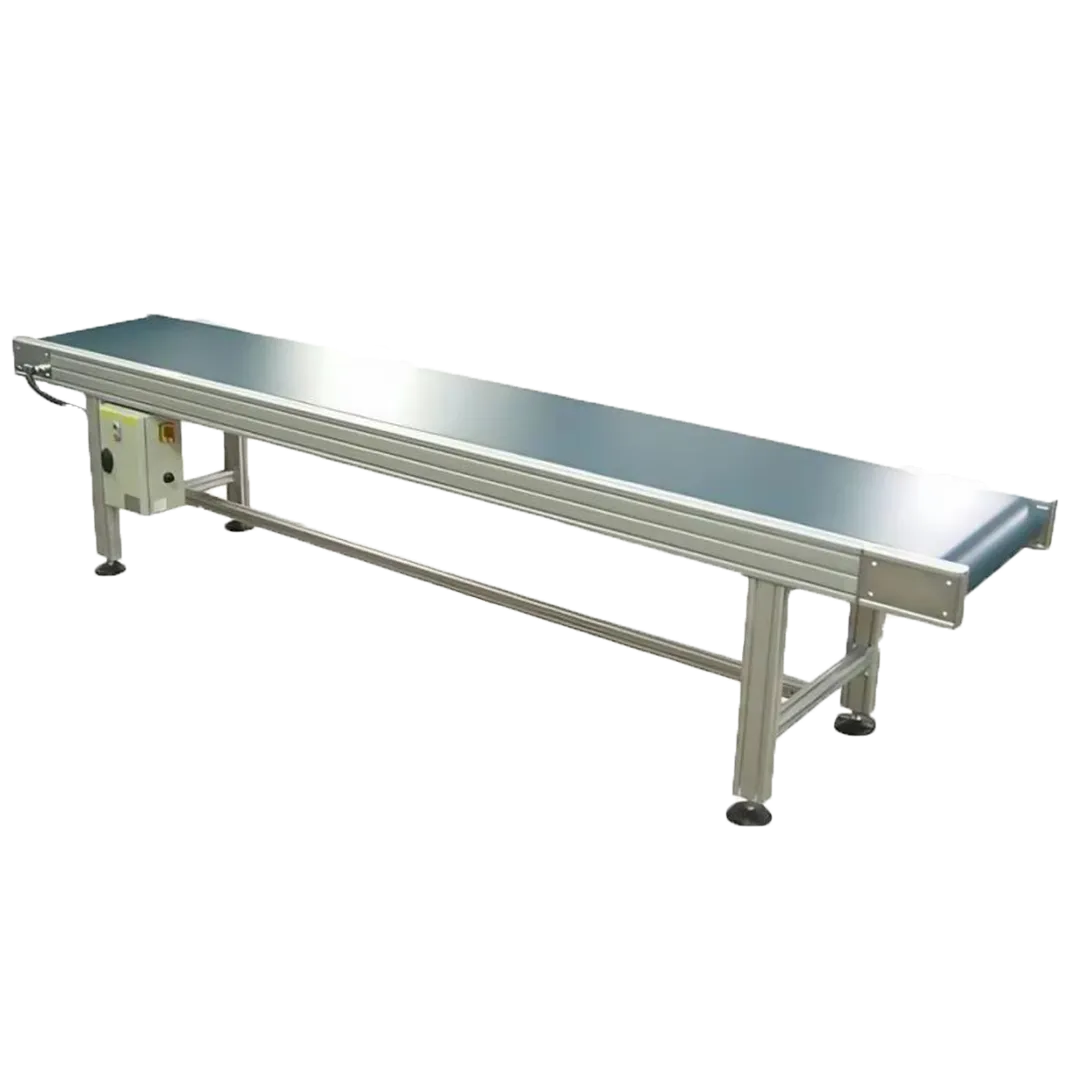
SS Conveyer

SS Conveyer

  • SS-304/316 hygienic construction
  • Variable speed drive option
  • Suitable for pharma and cleanroom applications
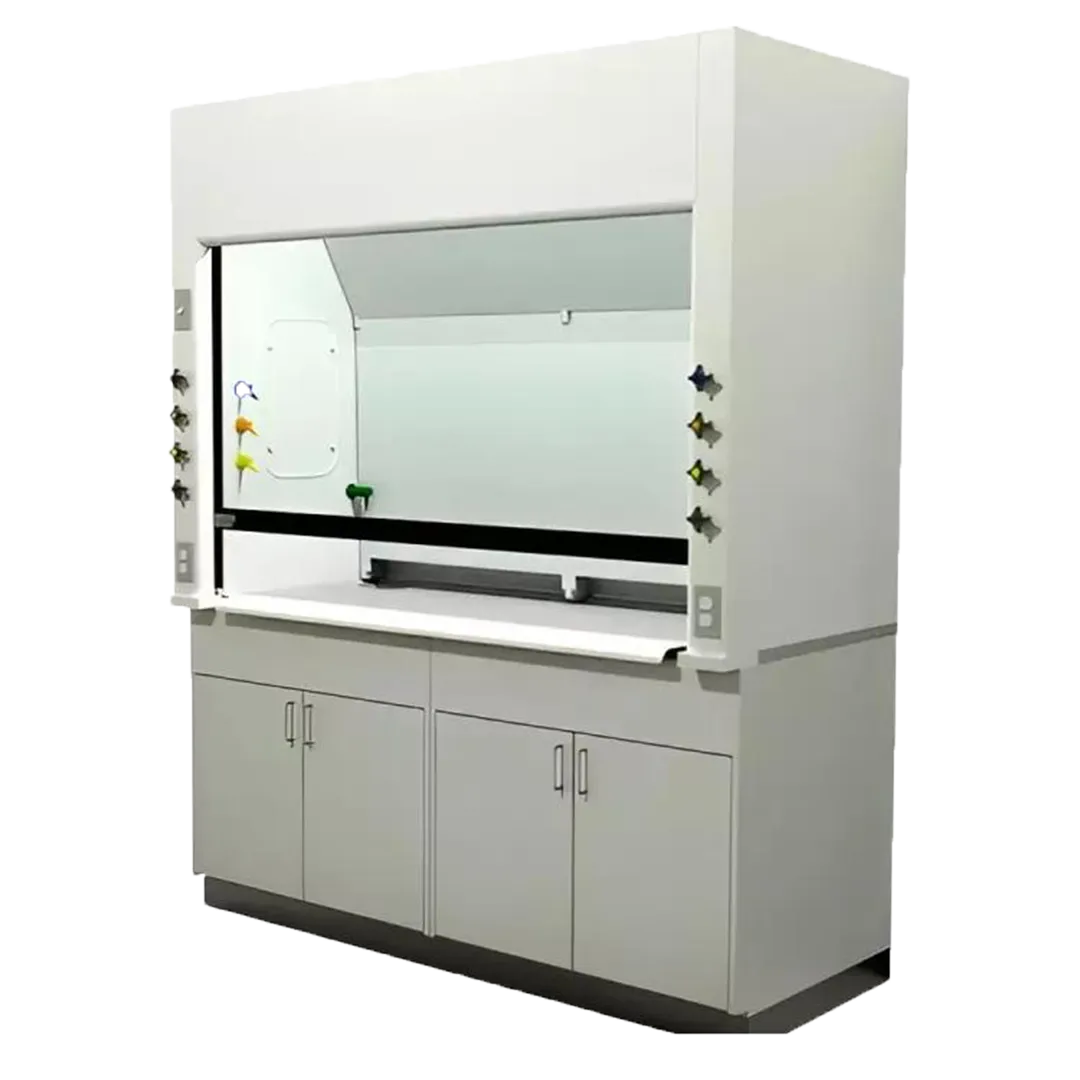
Fume Hood

Fume Hood

  • Chemical resistant PP/GI powder coated body
  • Efficient exhaust and airflow system
  • Toughened glass sliding sash
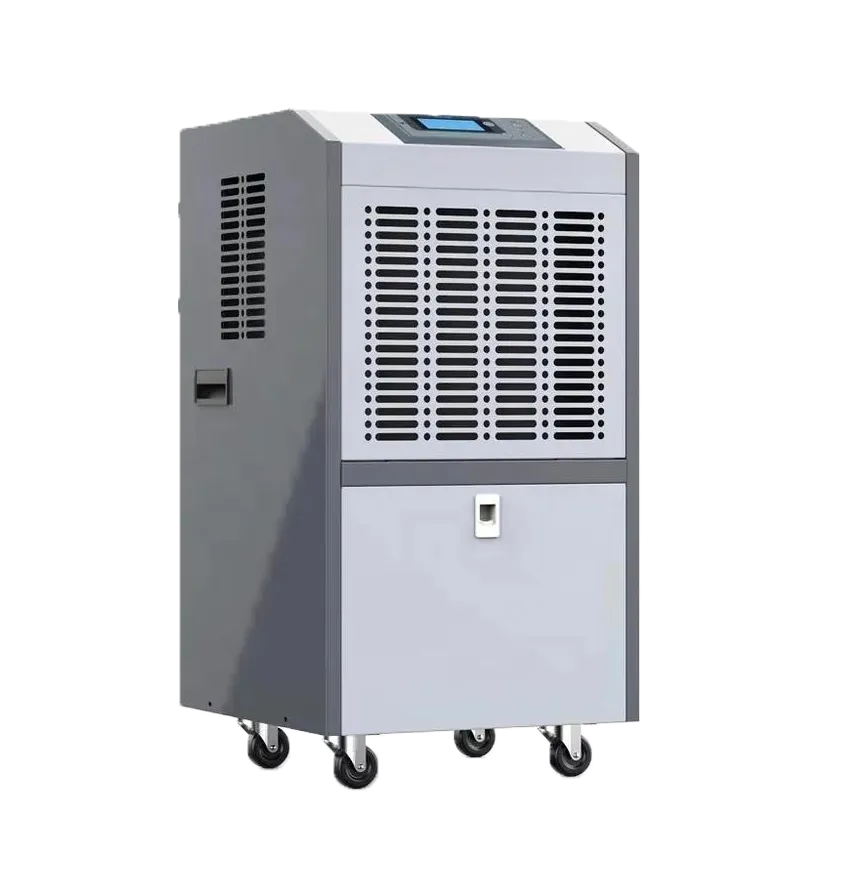
Dehumidifier

Dehumidifier

  • High moisture removal efficiency
  • Digital humidity controller
  • Energy efficient refrigeration system
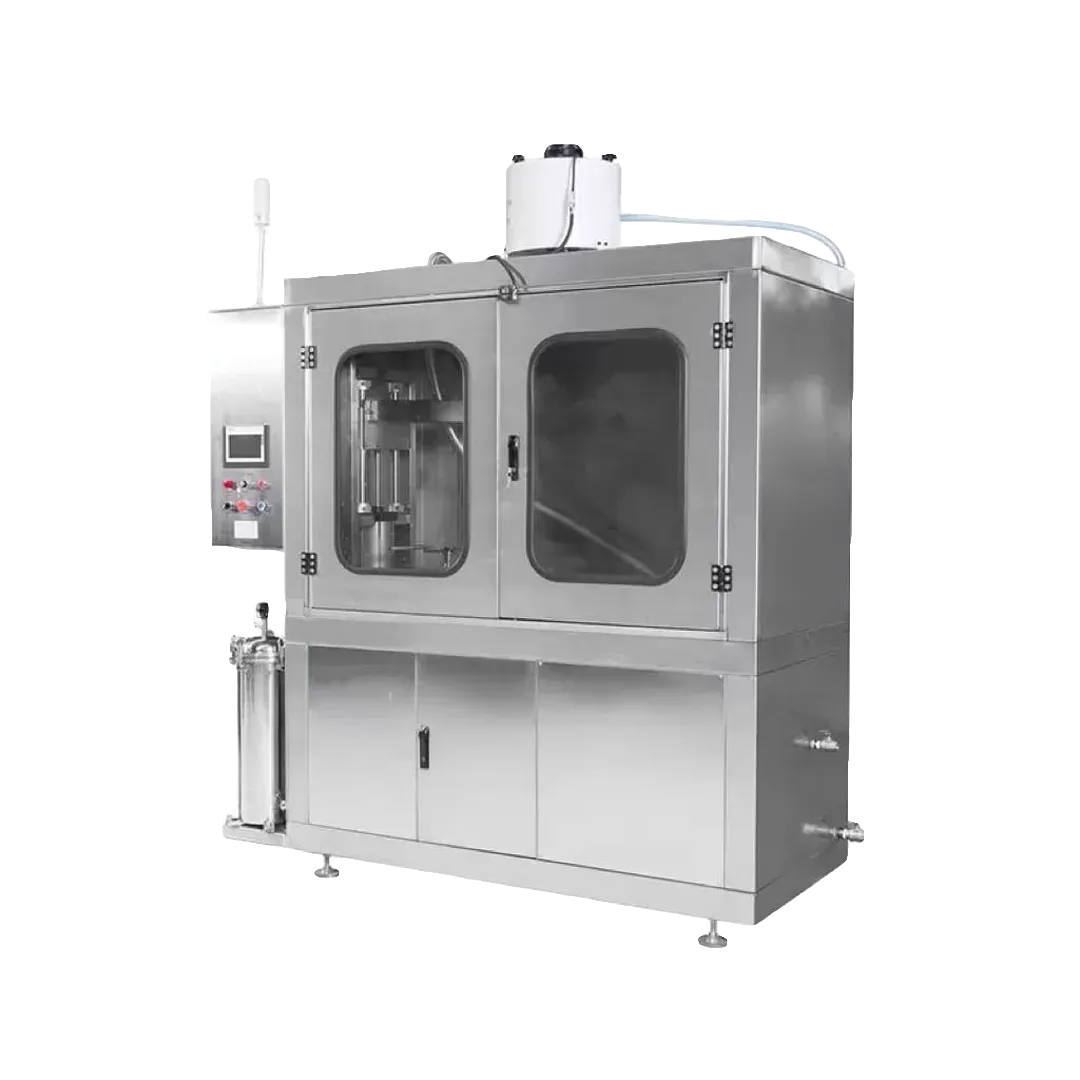
Filter Cleaning Machine

Filter Cleaning Machine

  • Multi-stage filter washing and drying system
  • SS construction for corrosion resistance
  • Suitable for pre and fine filter cleaning
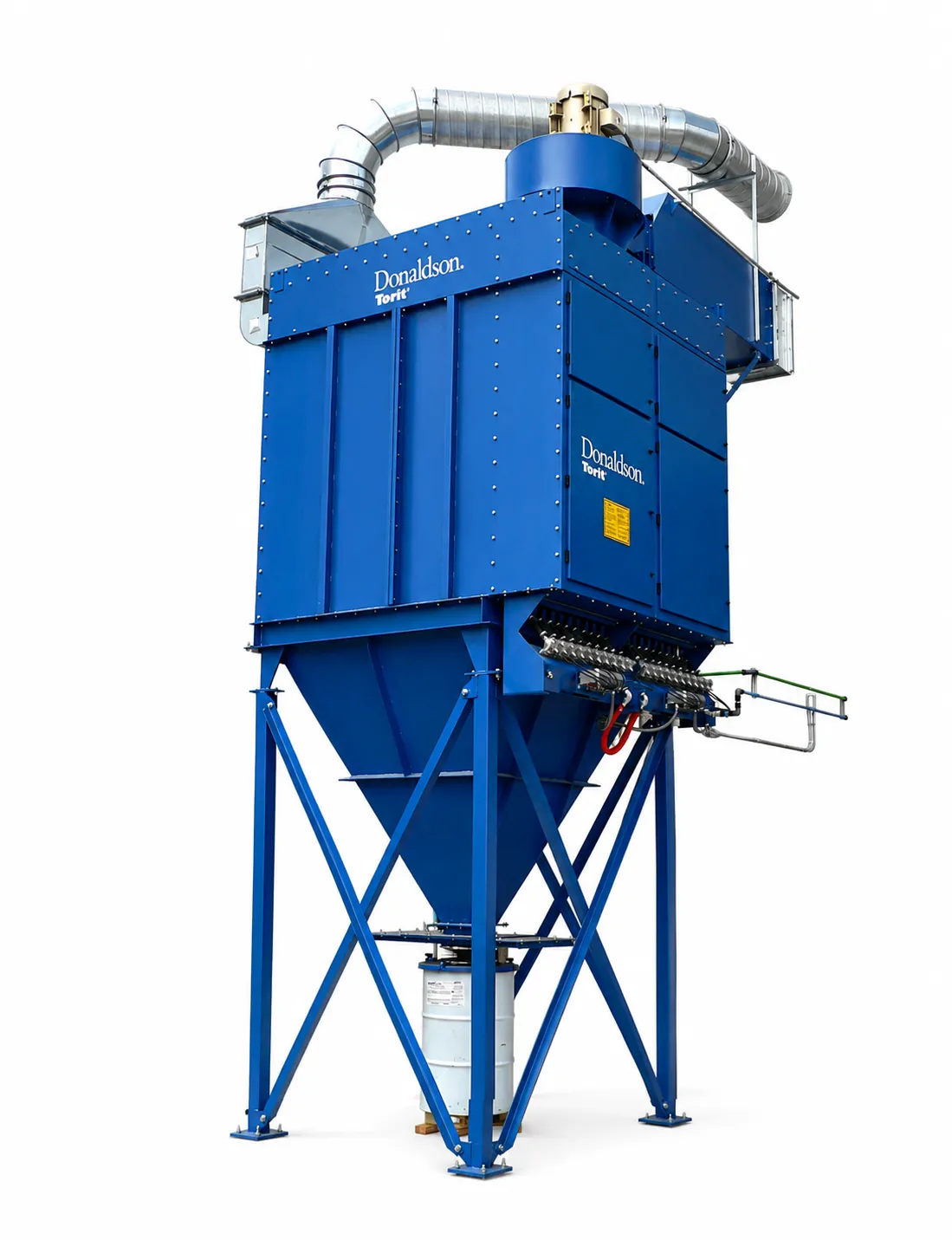
Dust Collector

Dust Collector

  • High suction efficiency with filtration unit
  • Heavy duty blower and collection hopper
  • Compact and low maintenance design
All equipment is designed and fabricated as per client and site requirement.

Our Work

Real projects delivered by our team.

Comprehensive Clean Room Solutions for Regulated and High-Precision Industries

Modern manufacturing and research facilities require stringent contamination control, regulatory compliance, and operational efficiency to maintain product quality and process reliability. High-performance Clean Room Solutions are essential for industries such as pharmaceuticals, biotechnology, healthcare, electronics, semiconductors, research laboratories, and precision manufacturing. These controlled environments are designed to minimize airborne particles, microbial contamination, and environmental variations that can impact product integrity and operational outcomes.

Businesses investing in cleanroom infrastructure need more than just a controlled space. They require a comprehensive approach that combines engineering expertise, regulatory knowledge, and long-term operational support. Effective Clean Room Design & Installation ensures that every aspect of the facility is optimized for performance, compliance, and future scalability.

01

End-to-End Clean Room Design, Engineering, and Construction

Developing a cleanroom facility begins with a detailed assessment of operational requirements, process workflows, contamination risks, and regulatory obligations. Professional Clean Room Construction Services encompass planning, engineering, fabrication, installation, testing, and commissioning to create environments that meet industry-specific standards.

Organizations seeking Clean Room Solutions Bangalore often require customized facilities capable of supporting highly regulated production and research activities. Every project must address critical factors such as airflow patterns, pressure differentials, material flow, personnel movement, temperature control, and humidity management. Compliance with ISO 14644 series of cleanroom standards is essential to ensure that cleanliness classifications are consistently achieved and maintained.

A well-engineered cleanroom project typically includes:

  • Facility planning and engineering design
  • Cleanroom wall, ceiling, and partition systems
  • Utility and process integration
  • Electrical and automation infrastructure
  • Environmental monitoring systems
  • Testing, commissioning, and documentation

For pharmaceutical and healthcare sectors, facilities are frequently designed as GMP Compliant Clean Rooms, supporting regulatory requirements for manufacturing, packaging, laboratory operations, and sterile processing applications.

02

Advantages of Modular Clean Room Solutions

Many organizations are shifting toward Modular Clean Room Solutions because they offer flexibility, scalability, and faster implementation compared to traditional construction methods. Modular cleanrooms utilize prefabricated components that can be assembled efficiently while maintaining strict contamination control requirements.

Compared to conventional cleanroom construction, modular systems offer several benefits:

  • Faster project completion and installation
  • Reduced disruption to ongoing operations
  • Easier expansion and future modifications
  • Improved cost control and project predictability
  • Simplified maintenance and upgrades
  • Consistent quality through factory-manufactured components

These advantages make modular systems an attractive choice for growing pharmaceutical companies, electronics manufacturers, biotechnology facilities, and research organizations. They provide practical Controlled Environment Solutions that can adapt to changing operational requirements while maintaining compliance and performance standards.

03

Advanced HEPA Filtration and HVAC Systems for Clean Rooms

99.97%

HEPA filtration systems remove at least 99.97% of airborne particles measuring 0.3 μm, while achieving even higher efficiency for both smaller and larger particle sizes due to diffusion and interception mechanisms.

The effectiveness of any cleanroom depends heavily on its environmental control systems. HEPA filtration systems remove at least 99.97% of airborne particles measuring 0.3 μm, while achieving even higher efficiency for both smaller and larger particle sizes due to diffusion and interception mechanisms. Combined with specialized HVAC Systems for Clean Rooms, these technologies help regulate airflow, temperature, humidity, and pressure conditions throughout the facility.

Properly designed environmental systems support:

  • Consistent contamination control
  • Stable operating conditions
  • Regulatory compliance
  • Enhanced product quality
  • Reduced operational risks
  • Improved energy efficiency

For highly regulated industries, including pharmaceutical manufacturing, advanced Pharmaceutical Clean Room Solutions incorporate sophisticated filtration and airflow management systems that support aseptic processing, sterile production, quality control laboratories, and packaging operations.

04

Validation, Installation, and Lifecycle Support

A cleanroom project does not end with construction. Ongoing performance verification is critical to maintaining compliance and operational reliability. Comprehensive Clean Room Validation Services ensure that all systems function according to design specifications and meet required cleanliness classifications.

When selecting a Clean Room Installation Company Bangalore, organizations should evaluate capabilities beyond installation alone. Long-term success depends on proper commissioning, validation, maintenance, and technical support throughout the facility lifecycle.

Leading Clean Room Manufacturers in Bangalore and experienced Clean Room Project Contractors Bangalore provide integrated services that include airflow testing, particle count analysis, pressure differential verification, recovery testing, performance qualification, and operator training. This comprehensive approach helps reduce project risks while ensuring consistent cleanroom performance over time.

Partner with Experts for Reliable Clean Room Solutions

Whether your organization operates in pharmaceuticals, biotechnology, healthcare, semiconductor manufacturing, electronics production, or advanced research, investing in the right Clean Room Solutions is critical for achieving compliance, product quality, and operational efficiency. A properly designed and validated cleanroom delivers long-term value by supporting regulatory requirements, reducing contamination risks, and improving process reliability.

If you are planning a new cleanroom facility, upgrading an existing environment, or evaluating expansion opportunities, Request Clean Room Consultation to discuss your project requirements with experienced specialists and identify the most suitable solution for your operational goals.
Need a Custom Quote for Clean Room Solutions?

Our experts will respond within 24 hours with detailed specifications and pricing.

Talk to an Expert

Frequently Asked Questions

01

What is a cleanroom solution and what equipment does it typically include?

A cleanroom solution is a complete system of construction, air handling, and equipment designed to control airborne particles, temperature, humidity, and pressure within a defined space. It combines structural elements — partitions, ceilings, and doors — with functional equipment that maintains contamination control during production or testing.

Typical equipment includes pass boxes for material transfer, laminar air flow (LAF) units for particle-free workspaces, air showers for personnel decontamination, biosafety cabinets for handling biological samples, and dust collectors or dehumidifiers for environmental control. Each component is selected based on the cleanliness class, process, and industry the facility serves.

Together, these systems ensure a controlled environment suitable for pharmaceutical manufacturing, biotechnology research, electronics assembly, and hospital settings where contamination directly affects product quality or patient safety.

02

What is the difference between a static pass box and a dynamic pass box?

A static pass box is a simple enclosed unit used to transfer materials between two cleanroom zones, or between a cleanroom and a non-classified area, without active air filtration. It typically uses mechanical or electromagnetic door interlocking so only one door opens at a time, preventing cross-contamination between zones.

A dynamic pass box adds HEPA-filtered airflow inside the chamber, actively removing particles from the surface of items being transferred. It often includes a pressure differential gauge to confirm proper filtration and can support cleanliness levels up to Class 100 (ISO Class 5).

Static pass boxes suit lower-risk transfers between similarly classified areas, while dynamic pass boxes are better suited to transfers between areas with different cleanliness grades, such as moving materials from a general warehouse into a Grade B or C pharmaceutical cleanroom.

03

What ISO 14644 cleanliness classes do cleanroom equipment support?

ISO 14644-1 defines cleanroom cleanliness classes based on the maximum permitted concentration of airborne particles per cubic meter of air, ranging from ISO Class 1 (the cleanest) to ISO Class 9. Equipment such as laminar air flow units, dynamic pass boxes, and biosafety cabinets are engineered to help a space achieve and hold a specific class, most commonly ISO Class 5 through Class 8 for industrial and healthcare applications.

HEPA filtration is central to reaching these classes, since it removes 99.97% or more of particles at 0.3 microns. Equipment placement, airflow pattern (laminar or turbulent), and air change rates all influence which class a room can sustain.

Facility owners should match equipment specifications to the ISO class required by their product or process, since over- or under-specifying equipment affects both compliance and operating cost.

04

What is a turnkey cleanroom solution, and what are its benefits?

A turnkey cleanroom solution covers the entire project lifecycle under one provider — design, civil and MEP construction, HVAC integration, equipment supply, electrical and BMS systems, installation, and final validation — so the client receives a facility ready for immediate use.

The main benefit is single-point accountability: one team coordinates architecture, airflow design, and equipment selection, which reduces the coordination gaps that arise when multiple contractors handle separate scopes. This typically shortens project timelines and reduces the risk of specification mismatches between civil work and mechanical systems.

Turnkey delivery also simplifies compliance documentation, since design qualification (DQ), installation qualification (IQ), and operational qualification (OQ) records can be prepared by the same team that built the facility, supporting smoother regulatory audits for pharmaceutical, biotechnology, and hospital clients.

05

Which industries rely on cleanroom equipment like air showers and biosafety cabinets?

Cleanroom equipment serves any industry where airborne contamination affects product quality, safety, or research validity. Pharmaceutical manufacturing uses air showers, pass boxes, and laminar air flow units to protect sterile drug production and meet GMP requirements. Biotechnology and research laboratories use biosafety cabinets and sampling dispensing booths to handle biological materials safely.

Electronics and semiconductor manufacturing depend on particle-controlled environments to prevent microscopic contaminants from damaging sensitive components during assembly. Hospitals use similar equipment — air showers, HEPA filtration, and interlocked doors — within modular operation theatres and ICUs to reduce surgical site infection risk.

Food processing and cosmetics manufacturing also use cleanroom equipment where hygiene standards require controlled particle levels, though the target cleanliness class is usually less stringent than pharmaceutical or electronics applications.

06

How is cleanroom equipment tested and validated after installation?

Cleanroom validation confirms that installed equipment and the room as a whole perform to their designed cleanliness and safety specifications. The process generally follows three stages: Design Qualification (DQ) confirms the design meets requirements before construction; Installation Qualification (IQ) verifies equipment is installed correctly per manufacturer specifications; and Operational Qualification (OQ) confirms the system performs as intended under actual operating conditions.

Core validation tests include airflow velocity measurement, non-viable particle counting, HEPA filter integrity (DOP/PAO) testing, and pressure differential verification between adjacent rooms. Equipment such as laminar air flow units and biosafety cabinets are tested individually, in addition to the room-level cleanliness class verification.

Documented validation reports are typically required for regulatory compliance in pharmaceutical and biotechnology facilities and are re-performed periodically as part of ongoing maintenance schedules.

07

What factors influence the cost of cleanroom equipment and solutions?

Cleanroom equipment cost depends primarily on the required ISO cleanliness class, since achieving tighter tolerances (such as ISO Class 5) needs higher-grade HEPA filtration, more precise airflow control, and additional monitoring instrumentation compared to less stringent classes. Material of construction also affects pricing — SS-316 offers greater corrosion resistance than SS-304 and typically costs more, making it preferable for facilities handling corrosive chemicals or requiring higher hygiene standards.

Equipment size, automation level (such as sensor-based operation versus manual controls), and additional features like UV sterilization or interlocking systems also add to the cost. For full facility projects, civil construction, HVAC capacity, and validation and documentation requirements contribute significantly beyond the equipment itself.

Because specifications vary by application, accurate pricing requires a facility-specific assessment rather than a generic estimate.

08

What common mistakes do companies make when selecting cleanroom equipment?

A frequent mistake is specifying equipment based on assumed cleanliness requirements rather than the ISO class actually required by the product or regulatory pathway, leading to unnecessary cost or, conversely, non-compliant conditions. Choosing airflow direction (laminar versus turbulent) without accounting for the process being performed is another common error that affects contamination control.

Companies also sometimes select individual equipment pieces from different suppliers without verifying compatibility with the room's HVAC capacity and pressure cascade design, resulting in airflow imbalances after installation. Overlooking validation planning until after installation is complete can delay project handover, since retrofitting monitoring points or adjusting airflow late in the process is more disruptive than planning for it upfront.

Working with a single provider who manages equipment selection alongside HVAC and construction design reduces the risk of these mismatches.

09

Can cleanroom equipment be customized for specific facility requirements?

Yes. Cleanroom equipment such as pass boxes, laminar air flow units, air showers, and fume hoods is commonly fabricated to match a facility's site conditions, throughput needs, and cleanliness class rather than supplied as fixed, off-the-shelf units. Customization typically covers chamber dimensions, material selection (SS-304 or SS-316), number of doors or interlocking configuration, and control features such as sensor-based automation or UV sterilization.

Custom fabrication is particularly relevant for facilities with unusual space constraints, specialized process requirements (such as handling corrosive substances or biological agents), or integration needs with existing HVAC and building management systems.

Manufacturers that design and fabricate equipment in-house, rather than reselling standardized products, can generally accommodate these site-specific and process-specific requirements more efficiently.

10

Where can cleanroom solutions be manufactured and installed in India?

Cleanroom solutions, including equipment fabrication, cleanroom partitions, and turnkey construction, are available from manufacturers based in major industrial hubs across India, including Bengaluru, Karnataka. Bengaluru's concentration of pharmaceutical, biotechnology, and electronics manufacturing has supported a base of cleanroom equipment fabricators and turnkey contractors serving both local and pan-India projects.

When selecting a manufacturer, it is worth confirming in-house fabrication capability (rather than reselling), experience across the required industry (pharma, biotech, electronics, or healthcare), and the ability to support the full project scope — from HVAC and civil construction through equipment supply and validation.

Working with a manufacturer that offers end-to-end service, from design through installation and testing, reduces coordination overhead for facilities located outside major metro areas.

Other Product Categories

HVAC HVAC Systems
HVAC Systems
Ducting, AHUs, grills, humidifiers and full HVAC solutions for cleanrooms and hospitals.
View Details
Doors Metal Doors
Metal Doors
Fire-rated, SS, hermetically sealed and automatic sliding doors for all environments.
View Details
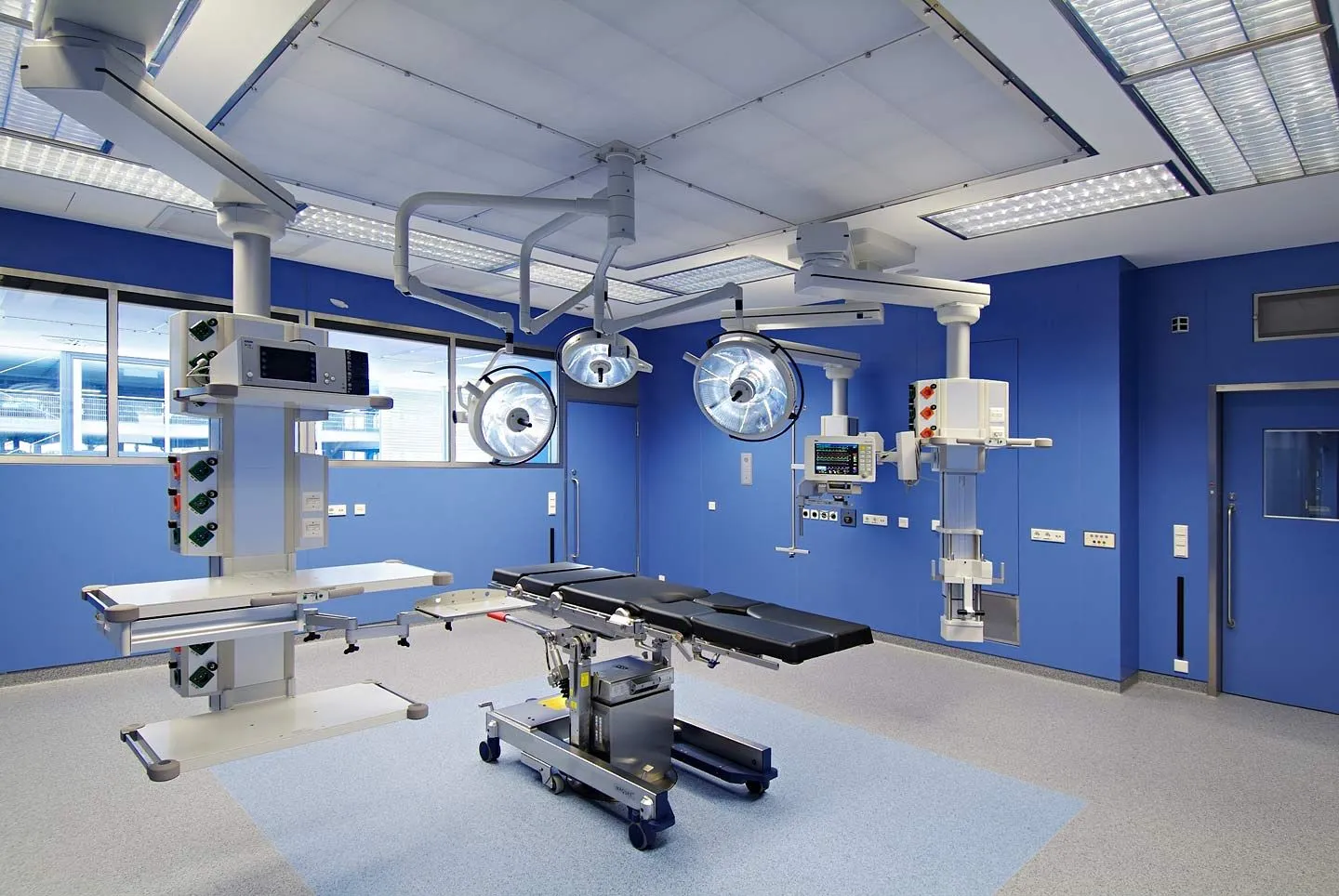
OT & ICU Modular OT & ICU
Modular OT & ICU
Turnkey modular operation theatres and ICU setups compliant with NABH standards.
View Details
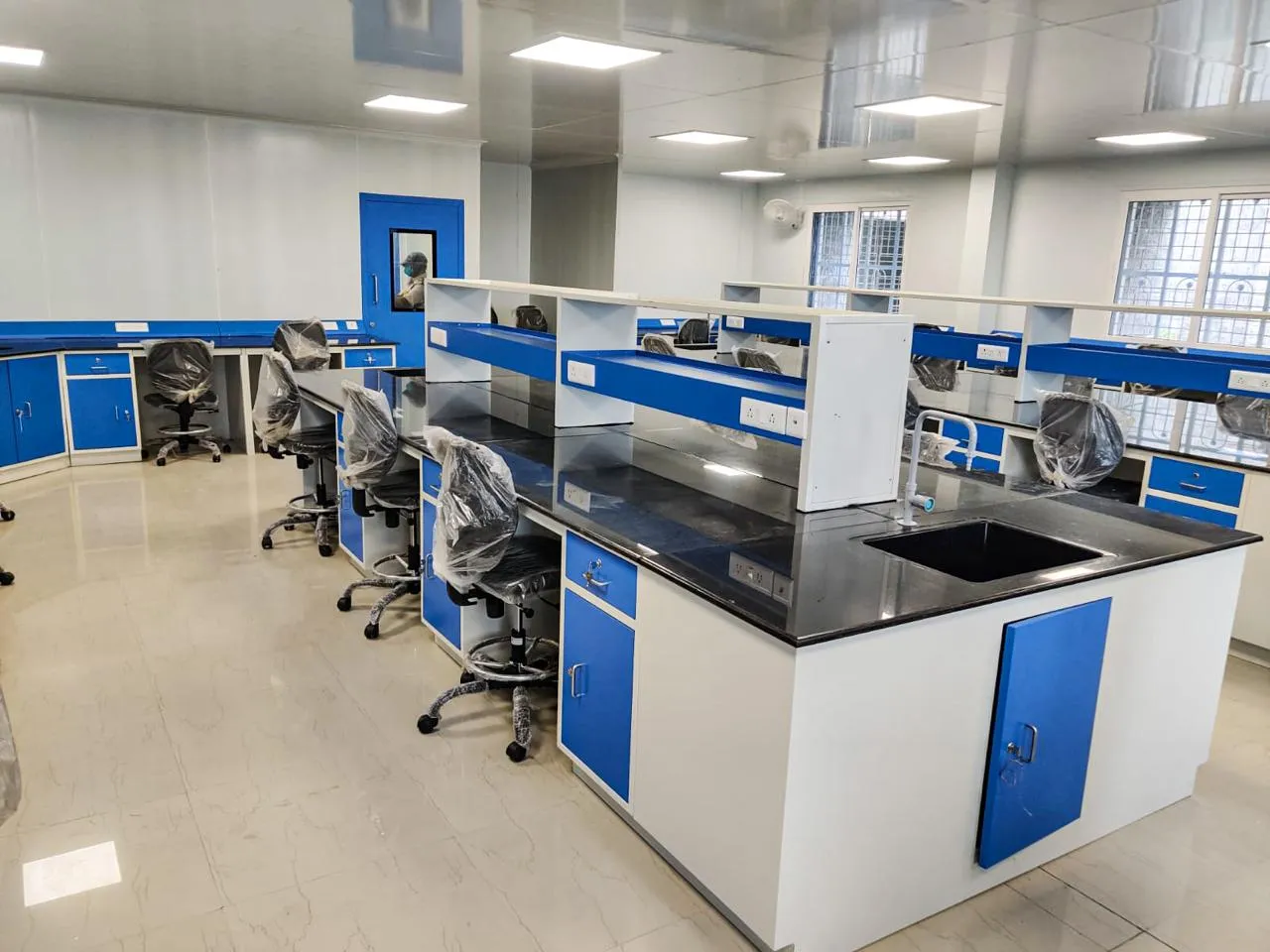
Lab Furniture Lab Furniture
Lab Furniture
Modular SS and GI lab benches, island tables, cabinets, stools and reagent racks.
View Details
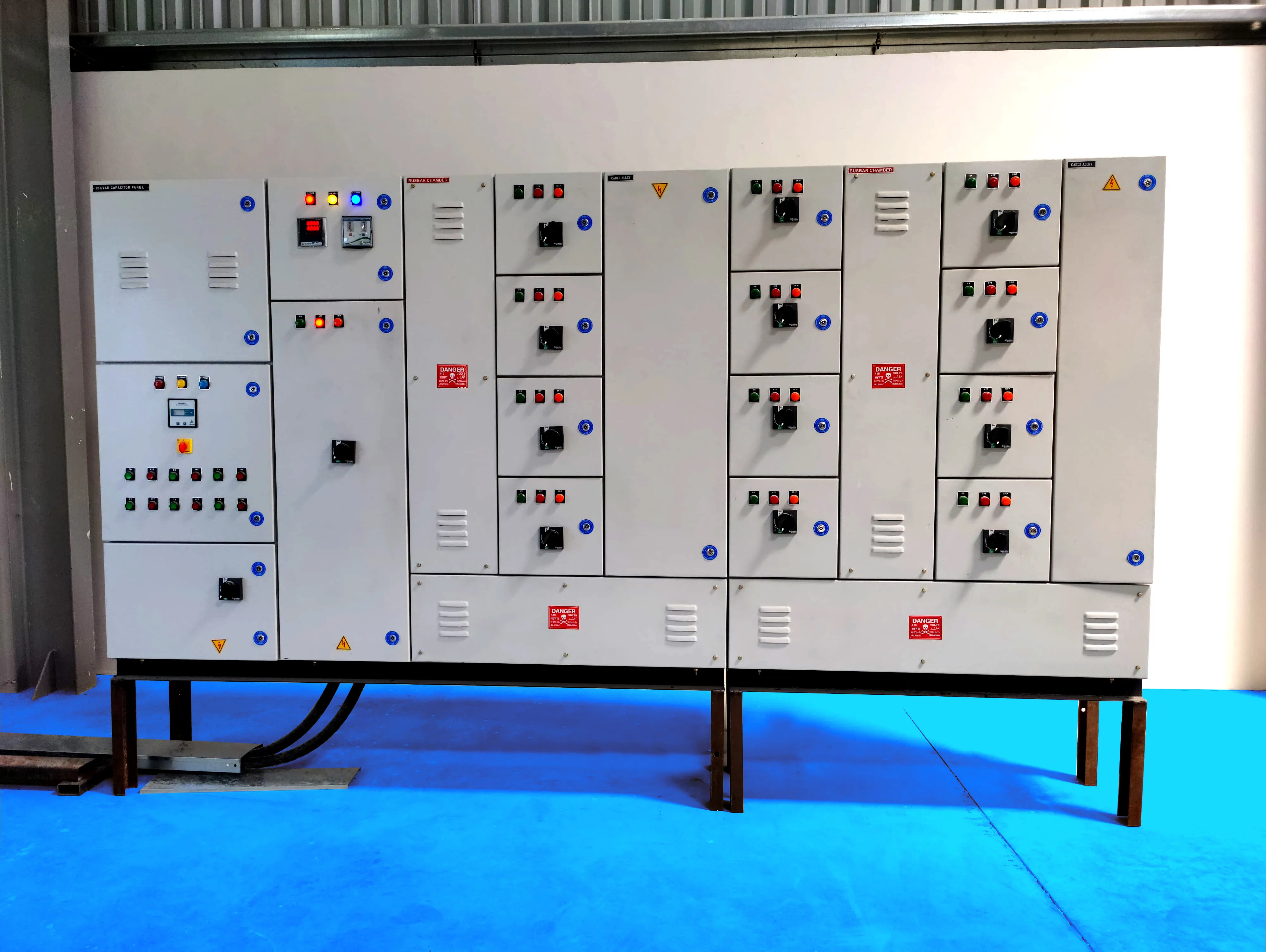
Electrical Electrical
Electrical
VFD, MCC, PCC, APFC panels, UPS systems, cabling and lighting control solutions.
View Details
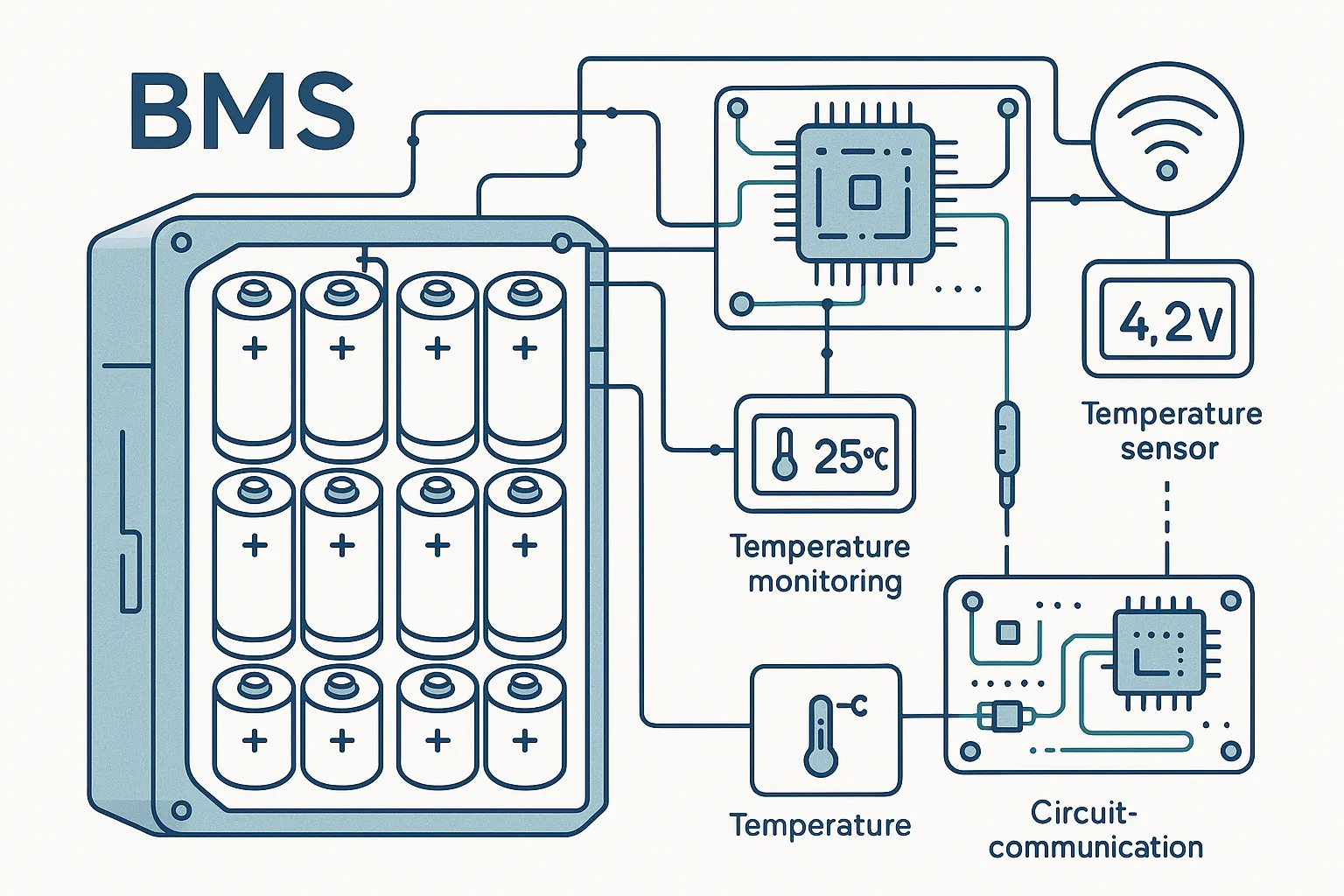
BMS BMS Systems
BMS Systems
Building management systems for centralized monitoring of HVAC, lighting and utilities.
View Details
Construction Construction
Construction
Turnkey civil, MEP, HVAC and cleanroom construction for pharma, hospitals and industry.
View Details
Testing & Validation
Full cleanroom validation — air velocity, particle count, HEPA integrity, DQ/IQ/OQ documentation.
View Details
Flooring
Epoxy and vinyl flooring solutions — seamless, anti-static, chemical resistant for cleanrooms and labs.
View Details

Ready to Upgrade Your Facility?

Get in touch with our experts for a free consultation and competitive quote on modular OTs, clean rooms, and more.

Enquire Now
Call Now