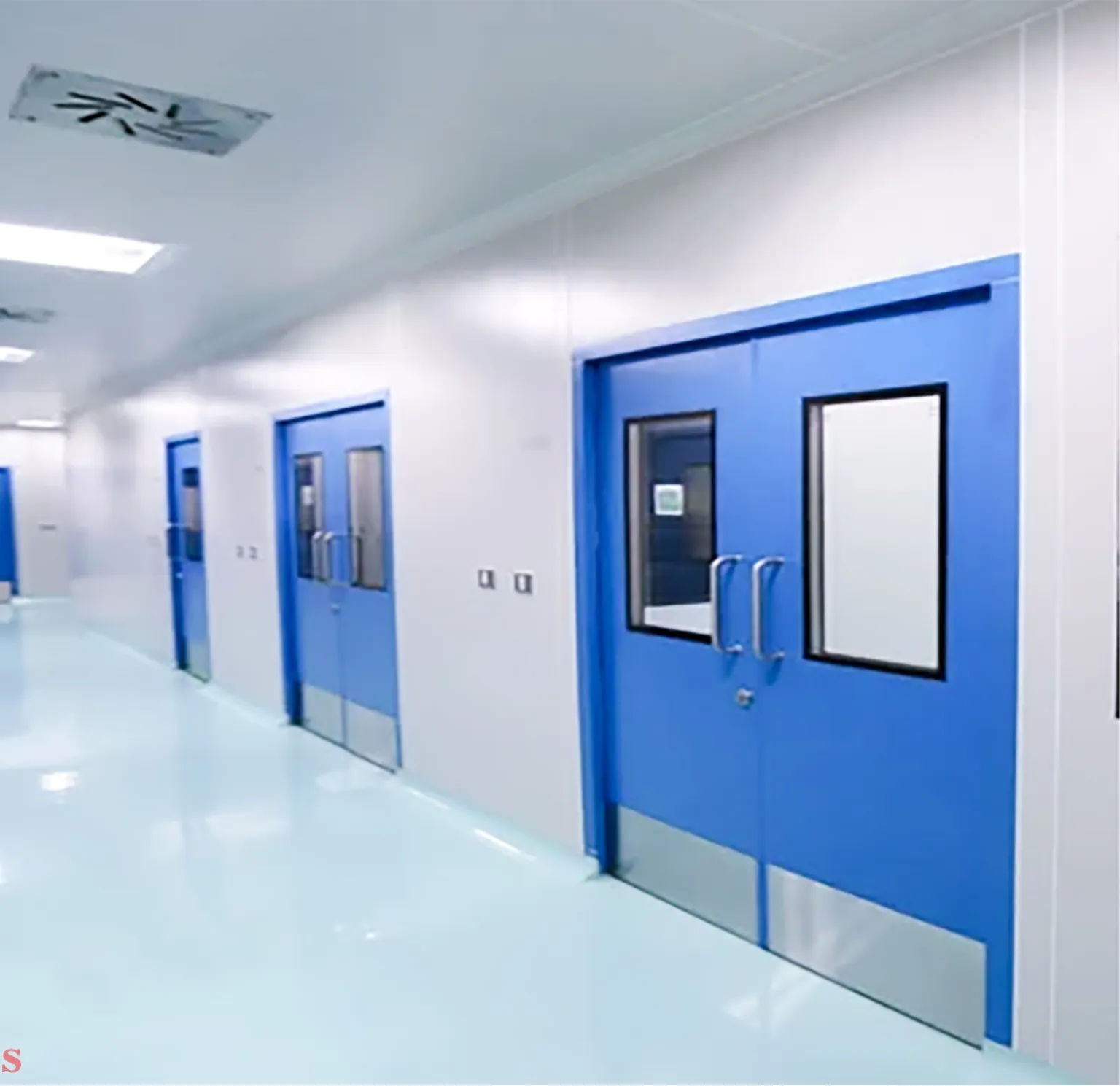
Metal Doors

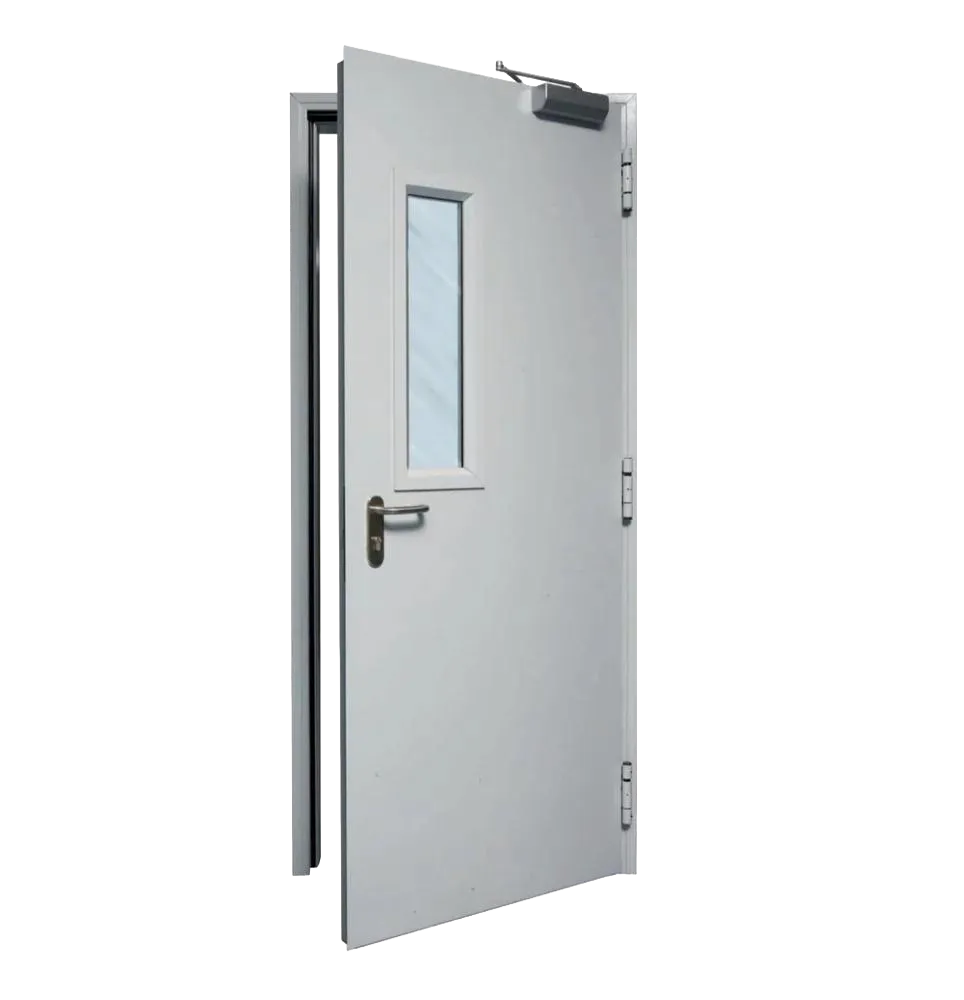
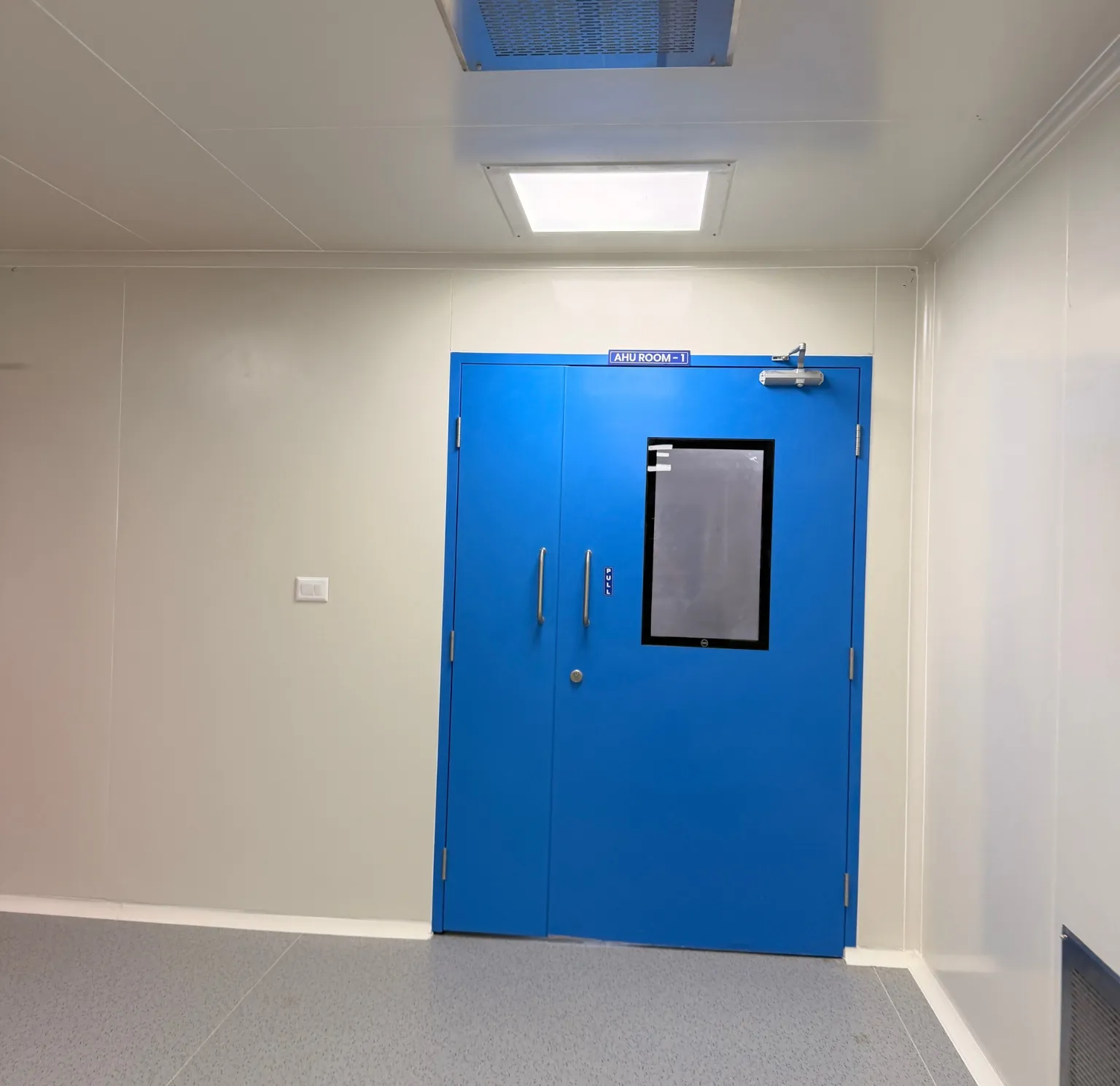
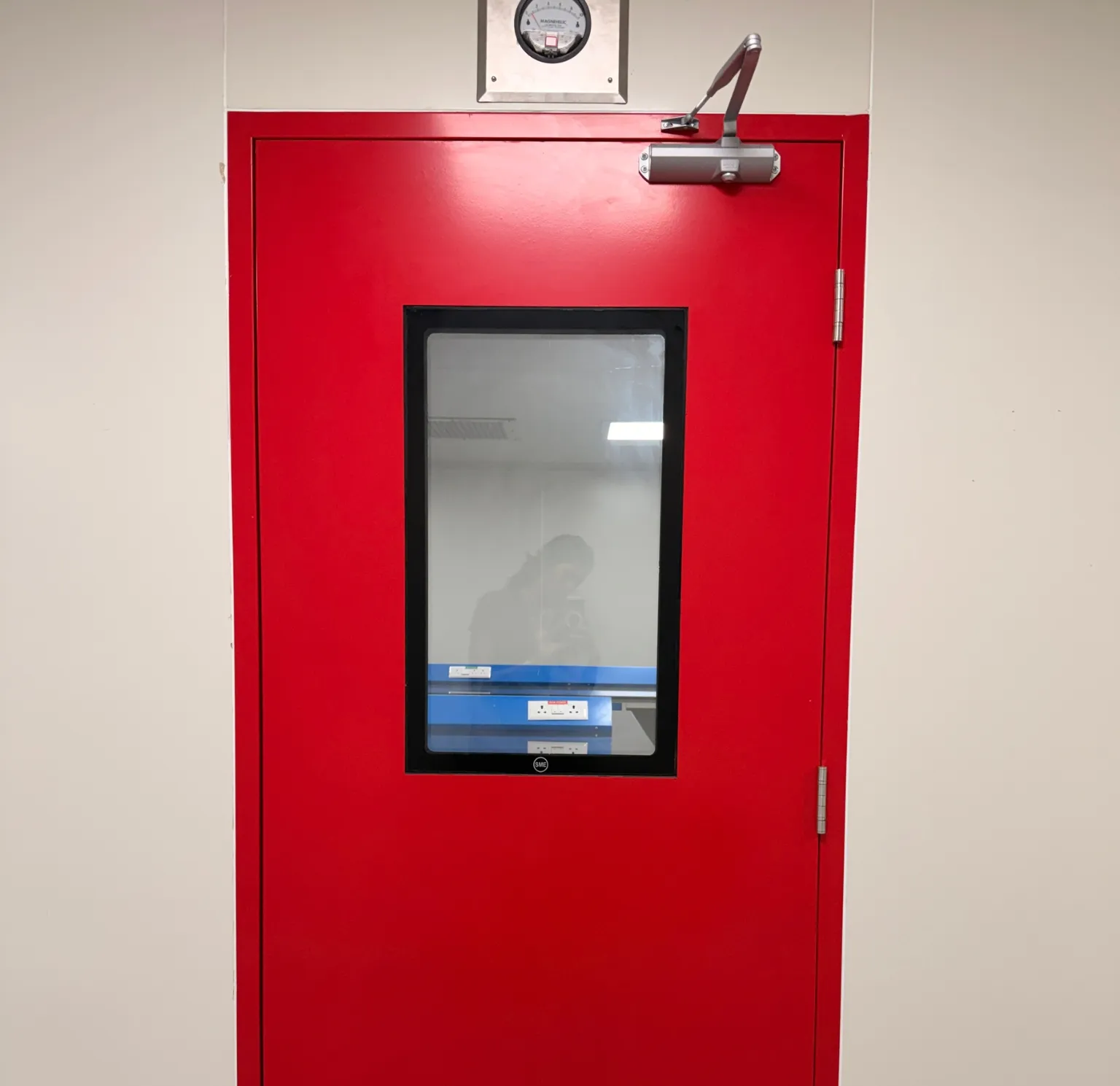
Fire-Rated Doors

Fire-Rated Doors

  • Fire resistant insulated door construction
  • GI/SS powder coated finish
  • Suitable for fire safety and cleanroom applications
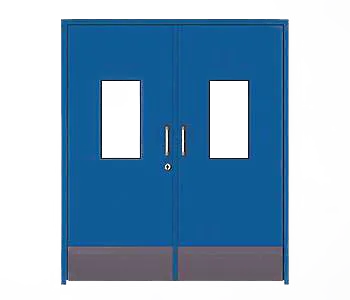
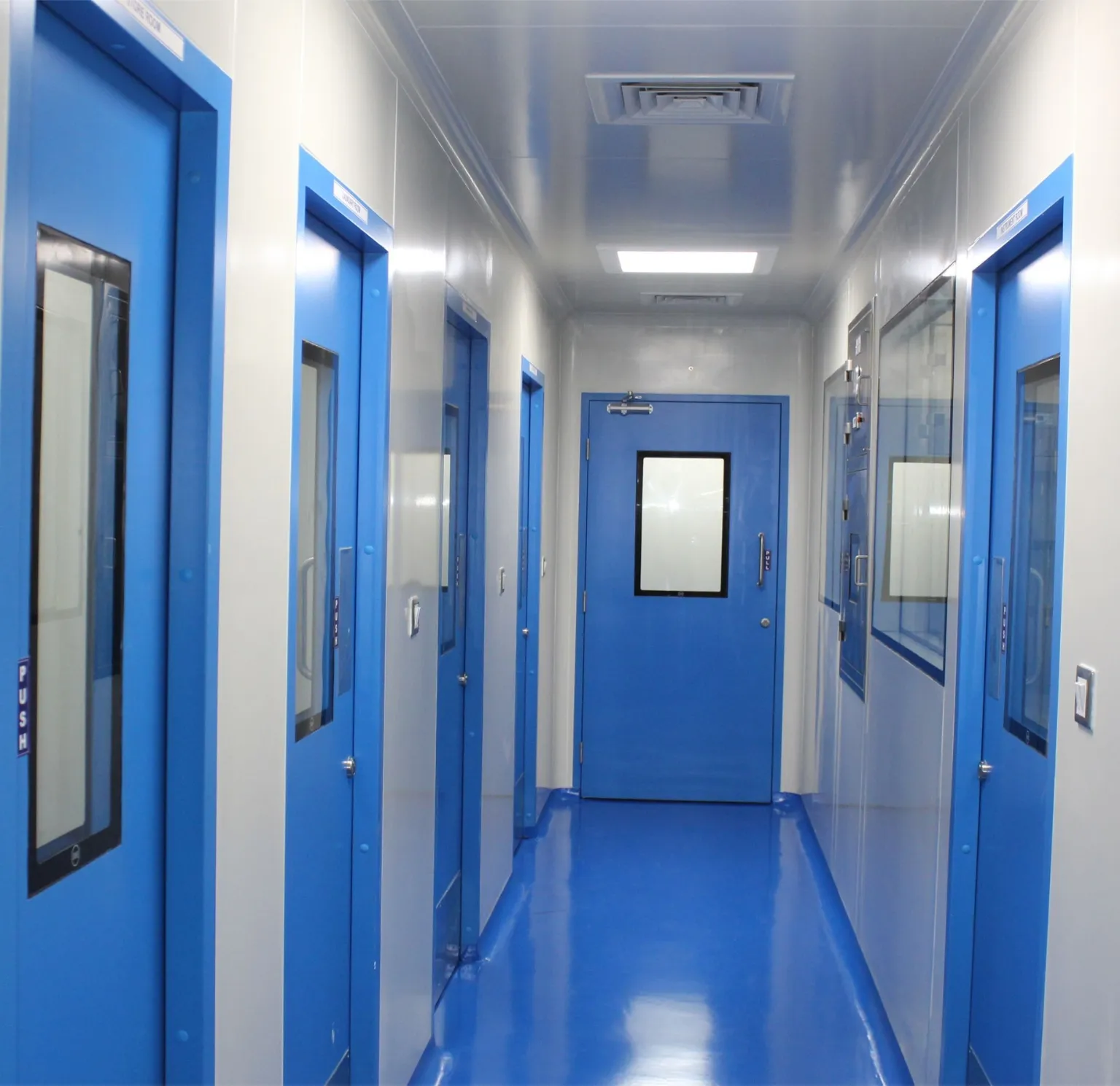
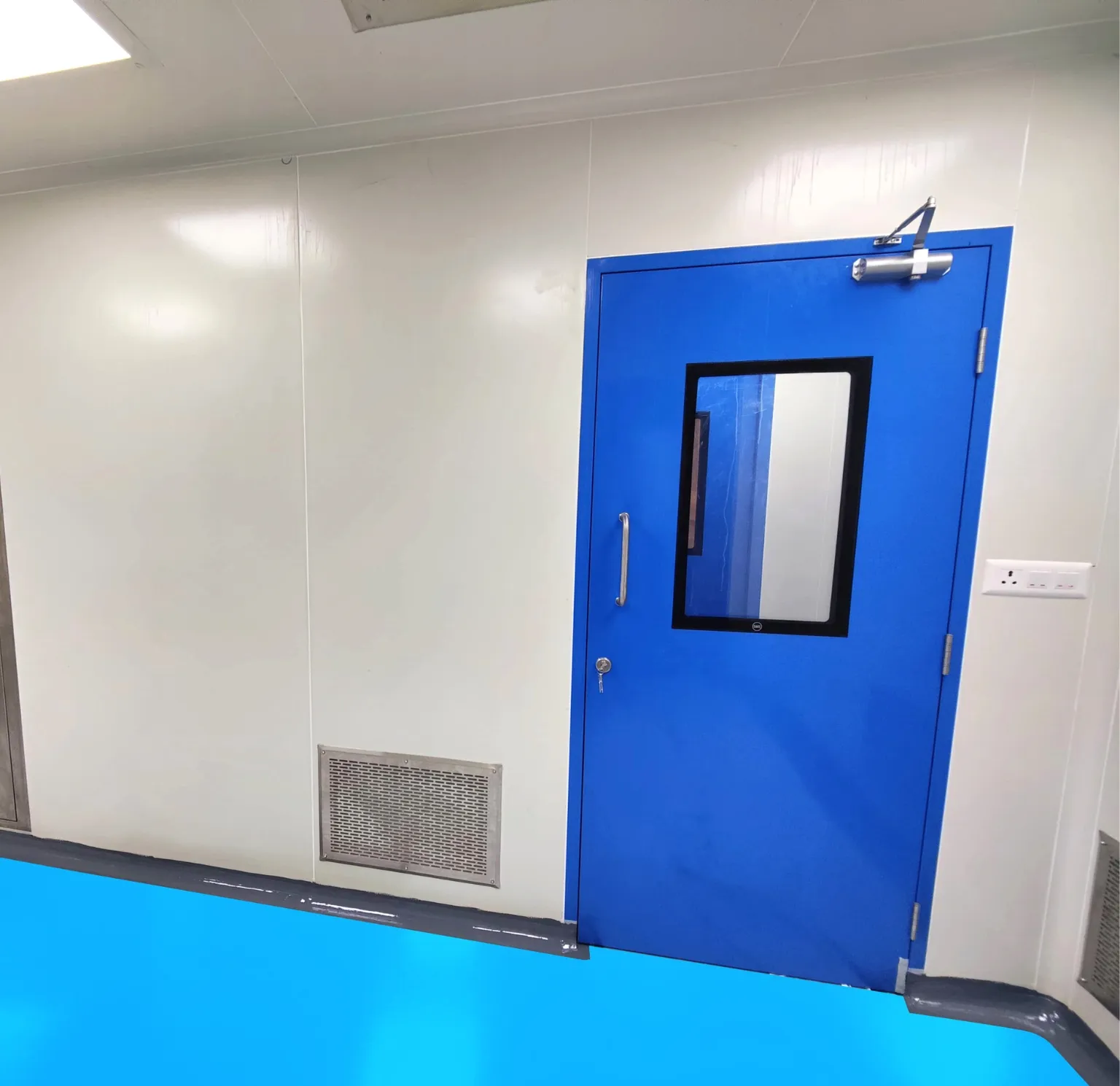
GI Powdercoated Doors

GI Powdercoated Doors

  • GI powder coated durable construction
  • Smooth hygienic finish with vision panel option
  • Suitable for pharma and cleanroom use
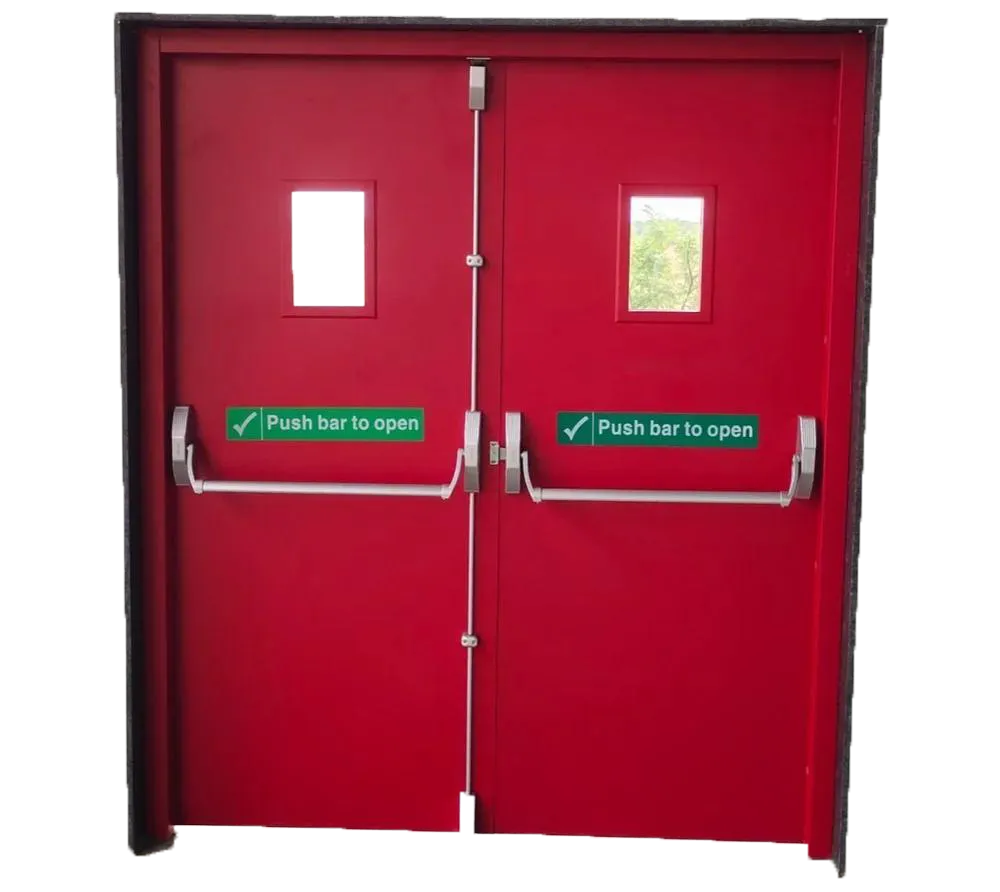
Emergency Doors

Emergency Doors

  • Panic bar enabled emergency exit system
  • Fire resistant and durable construction
  • Smooth and quick opening operation

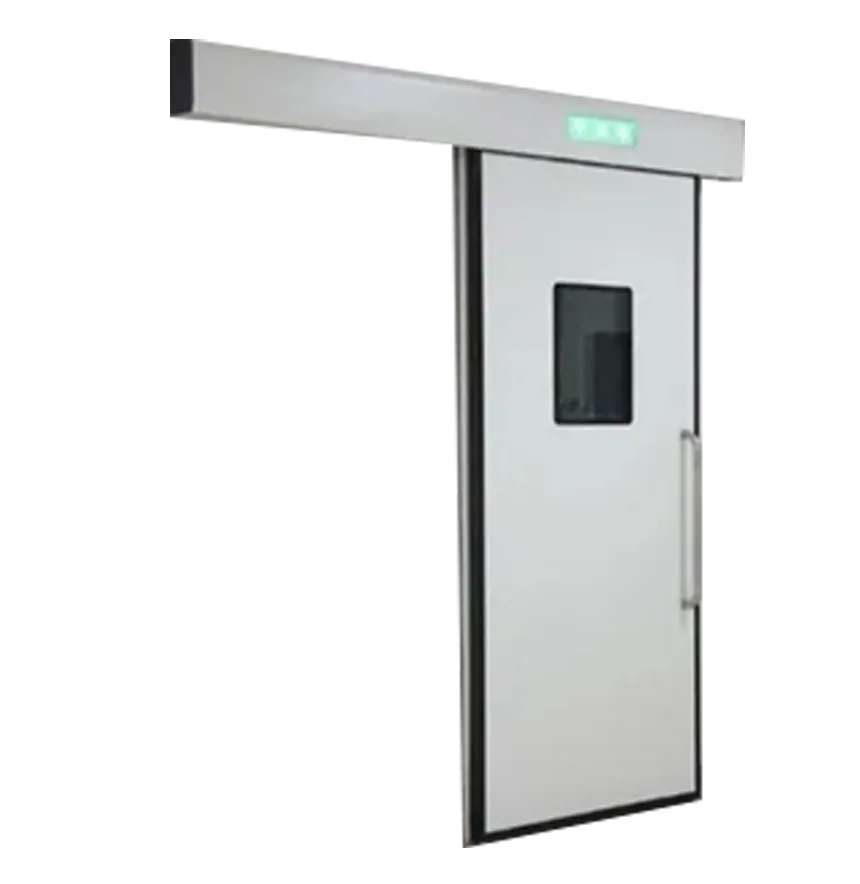
Manual/Automatic Sliding Doors

  • Manual or sensor based automatic operation
  • Space saving sliding mechanism
  • Smooth noiseless movement with safety features
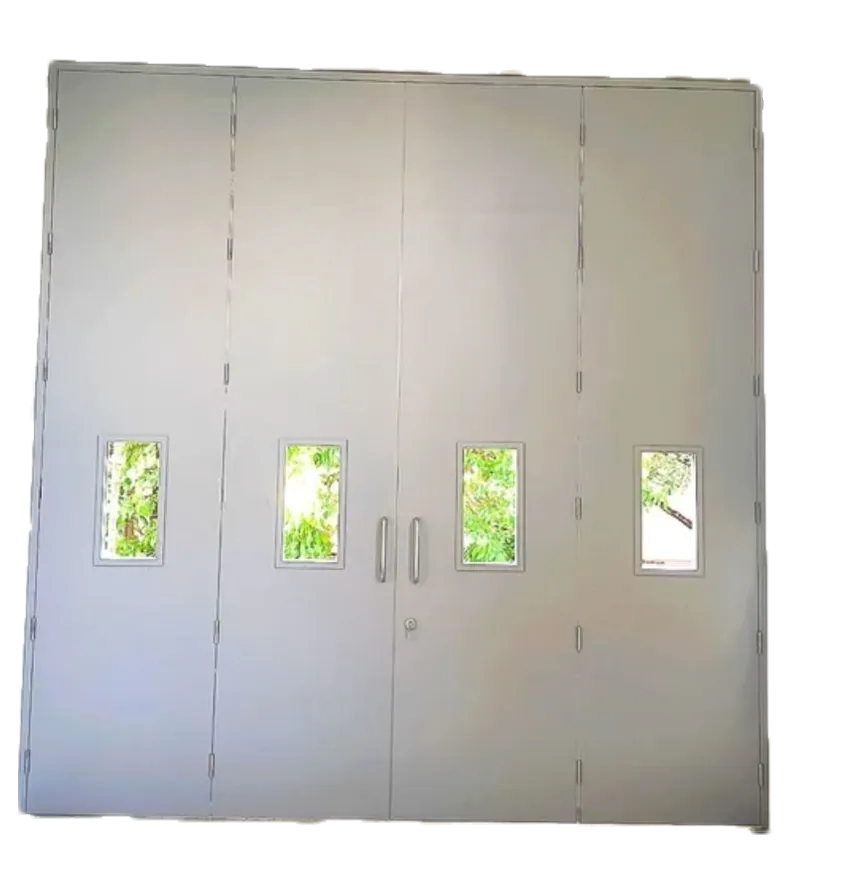
Foldable Doors

Foldable Doors

  • Multi-panel foldable door arrangement
  • Compact and space efficient design
  • Smooth track based operation
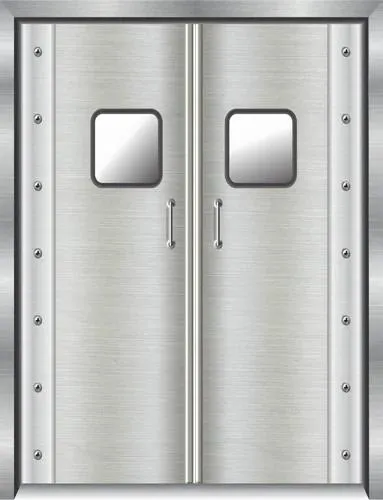
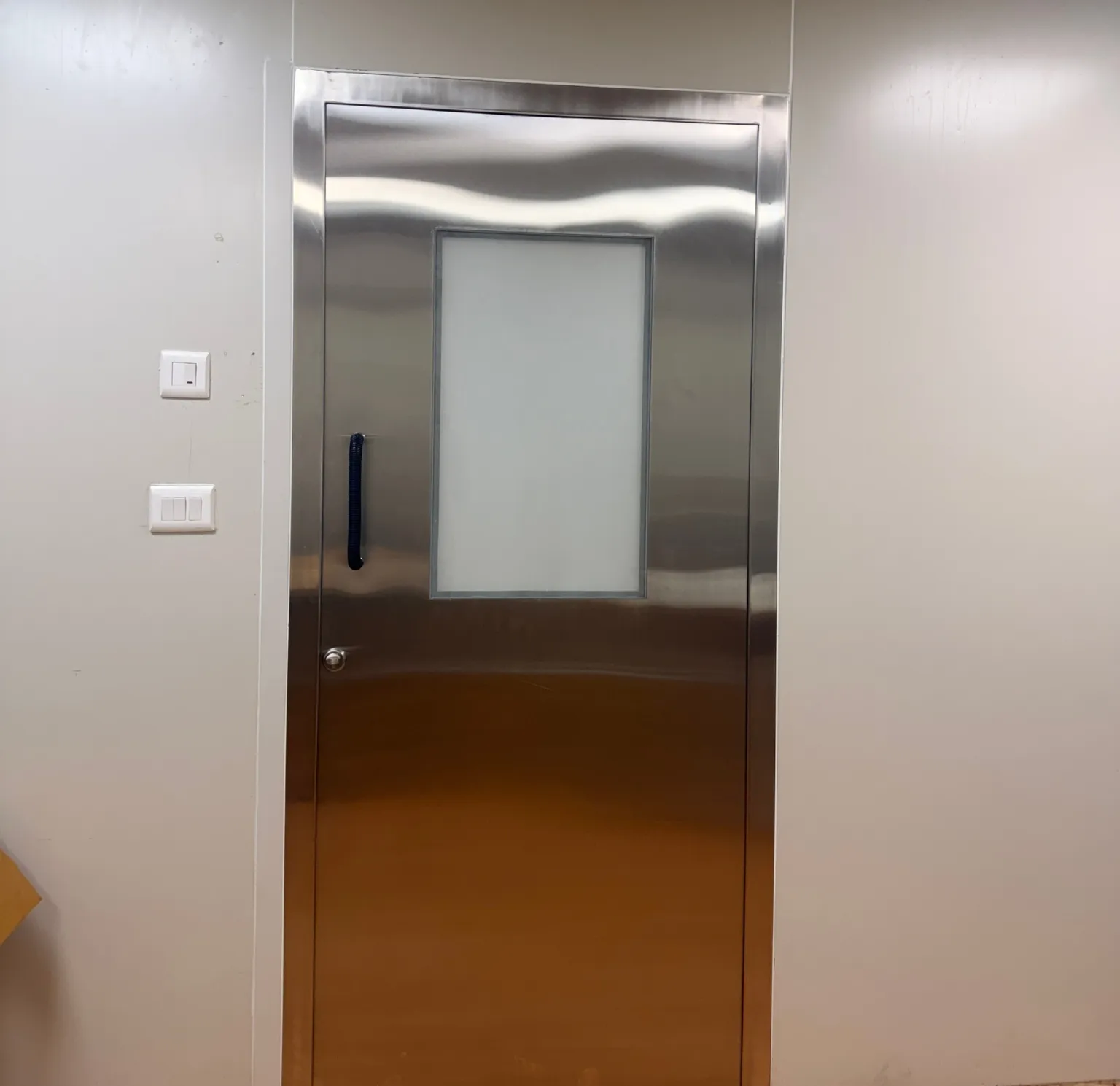
SS Doors

SS Doors

  • SS-304/316 hygienic construction
  • Corrosion resistant smooth finish
  • Suitable for sterile and cleanroom areas
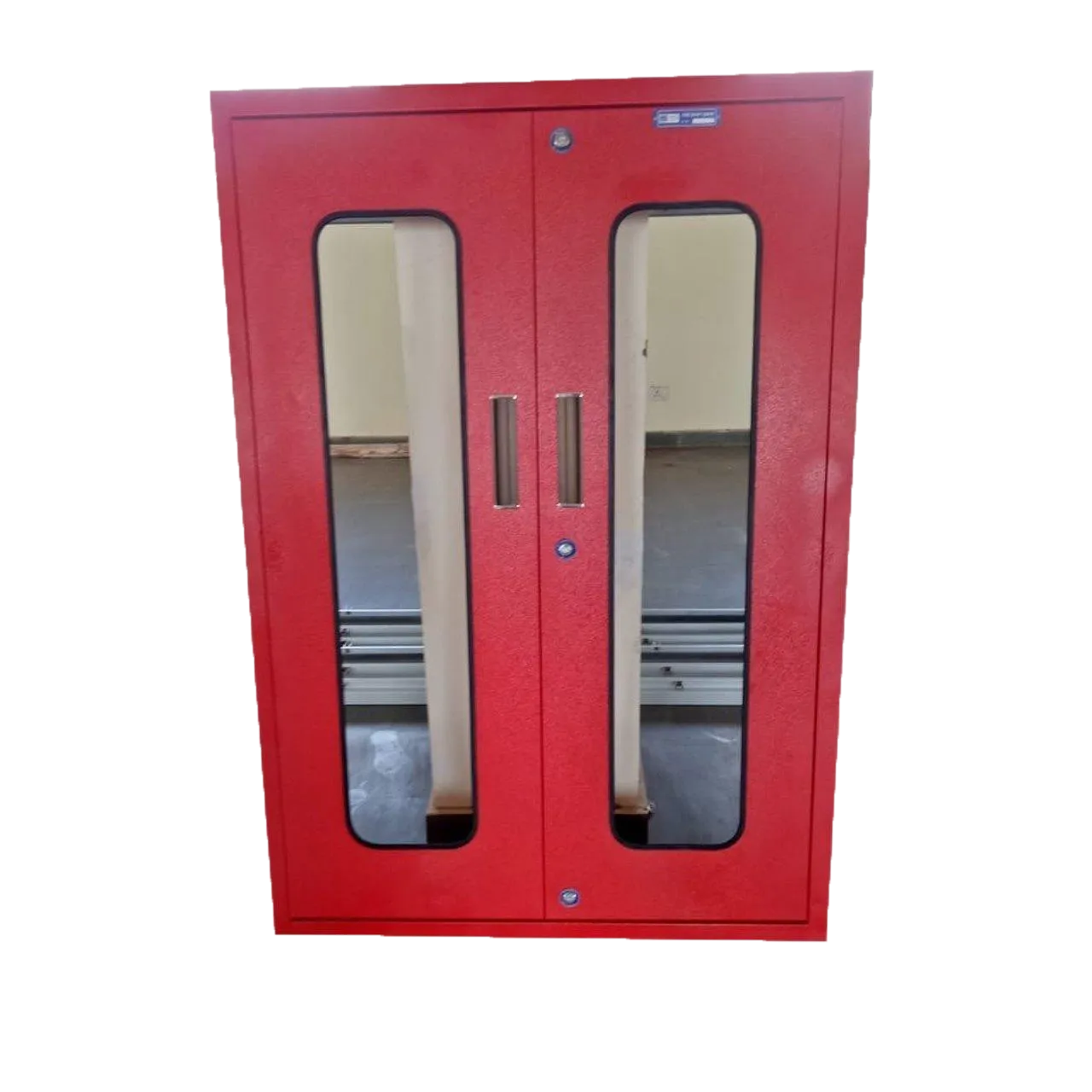
FHC Shaft Doors

FHC Shaft Doors

  • Fire hose cabinet compatible door design
  • Powder coated durable construction
  • Easy access and maintenance provision
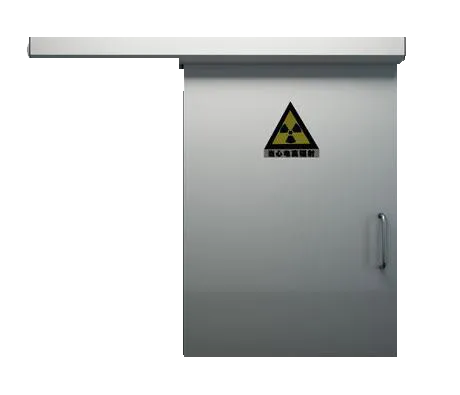
Lead-Lined Doors

Lead-Lined Doors

  • Radiation shielding lead lining
  • Heavy duty hygienic construction
  • Suitable for X-ray and diagnostic rooms
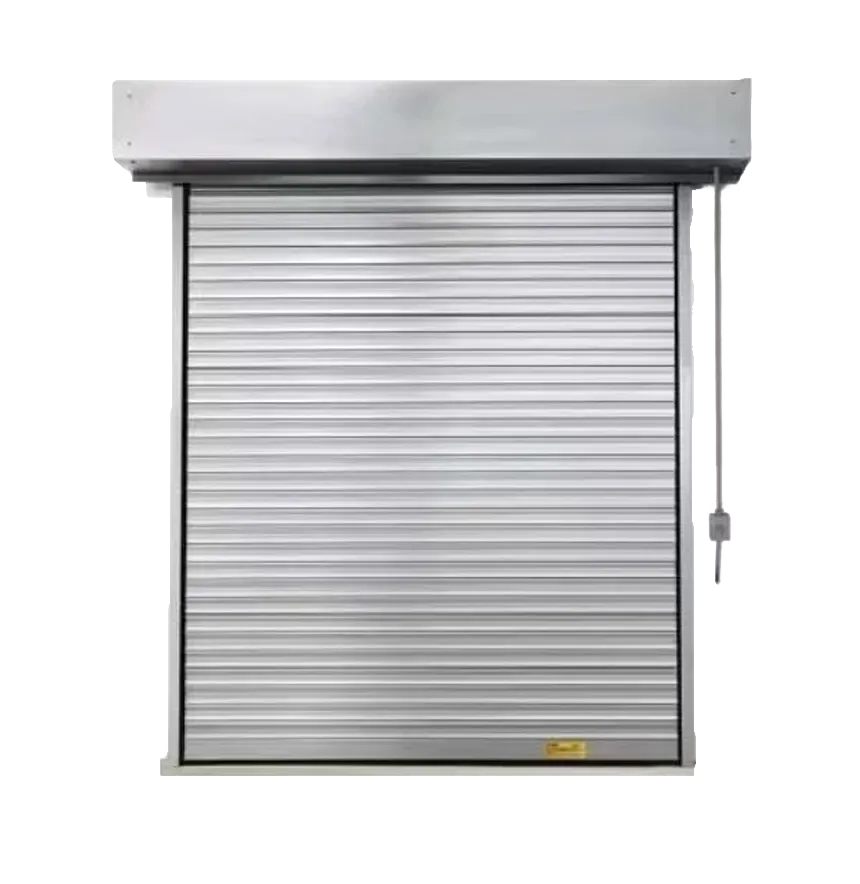
Rolling Shutter Doors

Rolling Shutter Doors

  • Heavy duty rolling shutter mechanism
  • Smooth manual or motorized operation
  • Durable and low maintenance construction
Hermetically Sealed Doors

Hermetically Sealed Doors

  • Airtight hermetic sealing system
  • Smooth automatic/manual sliding operation
  • Suitable for OT and sterile cleanroom environments
Designed and fabricated as per client and site requirement.

Our Work

Real projects delivered by our team.

Metal Door Manufacturers for Industrial, Commercial, and Infrastructure Applications

Facilities across manufacturing, pharmaceuticals, healthcare, and commercial real estate depend on door systems that do more than open and close — they contain fire, control access, resist corrosion, and hold up under constant use. As Bangalore's industrial and life-sciences sectors expand, the choice of metal door manufacturer has a direct bearing on a facility's safety compliance, security posture, and day-to-day operating costs.

01

GI and Stainless Steel Industrial Metal Doors

Industrial metal doors are typically fabricated from galvanized iron (GI) or stainless steel (SS 304/316), gauges chosen based on traffic levels and load requirements. SS doors are generally specified for sterile or corrosive environments — pharmaceutical clean areas, food processing, and labs handling chemicals — because stainless steel resists pitting and rust even under frequent washdown. GI doors with a powder-coated finish are more common in general industrial and warehouse settings, offering corrosion resistance at a lower cost while still meeting durability requirements for high-frequency use.

02

Fire Rated Metal Doors

Fire rated metal doors are built around an insulated core and tested to hold back fire and smoke for a defined period — commonly rated at 60 or 120 minutes depending on the application and the compartmentation strategy specified by the project's fire consultant. These ratings matter because a door's fire performance is only as good as its weakest component: the core, the frame, the hinges, and the intumescent seals all have to be tested and certified as an assembly, not individually. Fire rated door manufacturers in Bangalore working on pharmaceutical plants, hospitals, data centers, and multi-story commercial buildings need to supply doors with documentation that satisfies the fire safety compliance requirements laid out under the National Building Code of India and local fire department approvals.

03

Cleanroom Compatible Doors

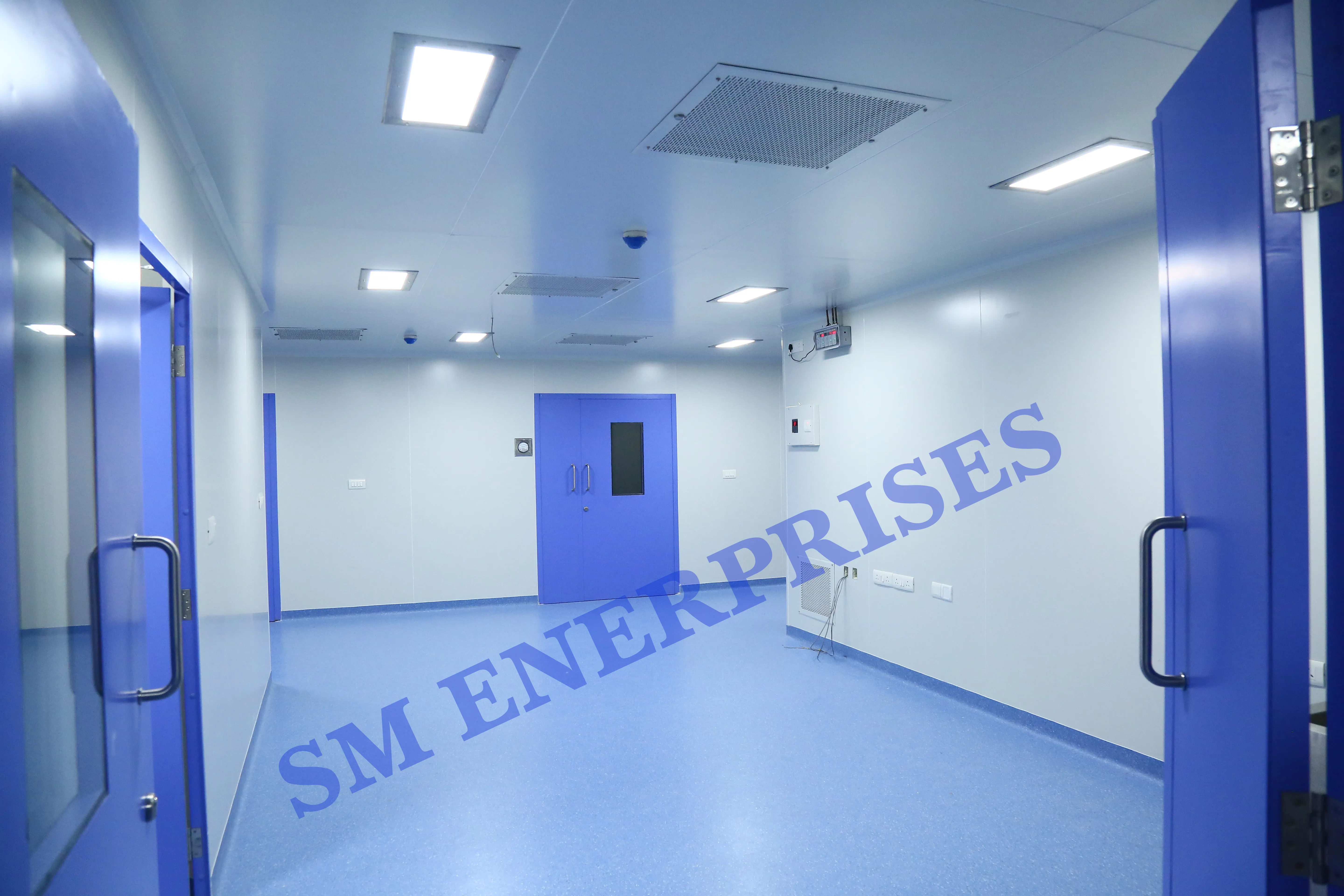
In pharmaceutical, biotech, and hospital settings, cleanroom compatible doors solve a different problem: contamination control rather than fire. These doors are built with flush, seamless surfaces (no exposed screws or ledges where particulate can collect), gasket seals that maintain pressure differentials between adjoining rooms, and finishes that tolerate repeated disinfectant wipe-downs without degrading. Getting the door-to-frame seal wrong is one of the more common reasons cleanroom facilities fail validation on pressure differential testing, so the door is rarely a standalone purchase — it needs to be specified alongside the cleanroom partition and HVAC design.

04

Security Metal Doors and Access Control

Security is the third major design driver. Security metal doors are increasingly paired with access control door systems — card readers, biometric locks, or networked access management — particularly for server rooms, R&D areas, controlled substance storage, and high-value inventory zones. The door itself needs reinforced frames and concealed or tamper-resistant hinges; the access control hardware is only as effective as the door and frame it's mounted to.

05

Choosing the Right Metal Door

For facility managers and procurement teams, the practical decision points usually come down to: material (GI vs. SS), fire rating requirement (if any), whether the application needs cleanroom-grade sealing, and whether access control hardware needs to be pre-fitted at the factory or installed on-site. Custom metal door solutions let architects and EPC contractors specify exact dimensions, vision panel placement, and hardware to match both the building's design intent and its operational requirements, rather than forcing a project around standard sizes.

06

In-House Fabrication and Installation

Working with an established steel door supplier in Bangalore — one with in-house GI/SS fabrication rather than a pure trading or import setup — generally shortens lead times and makes custom revisions easier to manage mid-project. Installation quality matters just as much as the door itself: a fire-rated door installed with the wrong frame gap or unsealed threshold won't perform to its rated standard regardless of how the door itself was certified.

If your project involves fire rated metal doors, cleanroom compatible doors, or security door systems with access control integration, talk to our technical team about your specifications. We provide custom metal door solutions engineered and fabricated in-house for industrial, pharmaceutical, healthcare, and commercial projects across Bangalore — request a consultation or quotation to get started.
Need a Custom Quote for Metal Doors?

Our experts will respond within 24 hours with detailed specifications and pricing.

Talk to an Expert

Frequently Asked Questions

01

What are industrial metal doors, and why are they used in cleanroom and pharmaceutical facilities?

Industrial metal doors are door systems built from materials such as galvanized iron (GI), stainless steel (SS), or powder-coated steel, engineered to withstand frequent use, resist corrosion, and support hygienic or controlled-environment requirements. Unlike standard wooden or residential doors, they are designed for durability under continuous industrial or clinical operation.

In cleanroom and pharmaceutical facilities, metal doors do more than provide access control — they contribute directly to contamination control by maintaining airtight seals, resisting particle accumulation, and supporting the pressure differential between adjacent rooms. Smooth, crevice-free surfaces on GI or SS doors also make them easier to clean and disinfect than doors with porous or textured finishes.

Because of these requirements, metal doors used in pharmaceutical, hospital, and laboratory settings are typically selected based on the room's cleanliness class and process needs rather than general aesthetics.

02

What is a hermetically sealed door, and how does it differ from a standard sliding door?

A hermetically sealed door uses an airtight sealing mechanism, often with inflatable or compression gaskets, to prevent air leakage around the door frame when closed. This airtight seal helps maintain the pressure differential between rooms of different cleanliness classes, which is critical in sterile cleanrooms and operation theatres.

A standard sliding door, by comparison, provides space-saving movement and smooth operation but does not guarantee the same level of air leakage control unless specifically engineered with additional sealing. Standard sliding doors are suitable for general cleanroom or industrial access where airtightness is not the primary requirement.

Hermetically sealed doors are typically specified for operation theatres, sterile pharmaceutical manufacturing zones, and any area where even minor air exchange between rooms could compromise sterility or contamination control.

03

What makes a metal door "fire-rated," and what compliance requirements apply?

A fire-rated door is constructed with fire-resistant insulated core materials and tested to withstand fire exposure for a specified duration — commonly expressed in ratings such as 60 or 120 minutes — before failing structurally or allowing flame and smoke passage. This rating indicates how long the door can help contain a fire and protect an escape route or adjacent space.

Fire-rated doors used in industrial and cleanroom settings are generally built with GI or SS powder-coated construction combined with certified fire-resistant insulation, and they must comply with applicable national fire safety codes and building regulations for the facility type.

Facilities such as pharmaceutical plants, hospitals, and laboratories often require fire-rated doors at specific points — stairwells, corridors, and zone boundaries — as part of their overall fire safety and life-safety compliance plan, in addition to any hazard-specific requirements from local fire authorities.

04

What are lead-lined doors, and where are they typically installed?

A lead-lined door contains a layer of lead sheeting embedded within the door construction to block or reduce the transmission of ionizing radiation, such as X-rays, through the doorway. The lead thickness is selected based on the radiation dose and shielding requirement of the equipment inside the room.

These doors are installed at the entry points of diagnostic imaging rooms, X-ray suites, CT scan rooms, and other radiology or nuclear medicine areas where radiation shielding is required to protect personnel and the public outside the room. They are typically paired with lead-lined walls to form a continuous radiation barrier.

Because radiation shielding requirements vary by equipment type and usage, lead-lined door specifications are usually determined in consultation with a radiation safety officer or medical physicist during facility design.

05

What is an FHC shaft door, and what is it used for?

An FHC (Fire Hose Cabinet) shaft door is a door designed to provide access to a fire hose cabinet housed within a building's fire safety shaft or wall recess, allowing quick retrieval of firefighting equipment during an emergency. It is typically built with durable powder-coated construction and designed for easy, unobstructed access.

These doors are positioned at designated points along corridors or stairwells as part of a building's fire protection system, in compliance with local fire safety codes that specify hose cabinet accessibility and spacing. Unlike hermetically sealed or cleanroom doors, FHC shaft doors prioritize immediate accessibility over airtight sealing.

Facilities with cleanroom or pharmaceutical zones still need to coordinate FHC shaft door placement carefully, since fire safety access points must not compromise the pressure cascade or contamination control of adjacent classified areas.

06

GI powder-coated doors vs. SS doors: which is better for cleanroom applications?

GI (galvanized iron) powder-coated doors offer a durable, corrosion-resistant, hygienic finish at a lower cost than stainless steel, making them a common choice for general pharmaceutical and cleanroom areas where extreme corrosion resistance isn't required. The powder coating provides a smooth surface suitable for regular cleaning and disinfection.

SS (stainless steel, typically SS-304 or SS-316) doors offer higher corrosion resistance and a more hygienic, non-porous surface, making them better suited to sterile manufacturing zones, areas exposed to aggressive cleaning agents, or environments handling corrosive chemicals. SS-316 in particular resists a wider range of chemical exposure than SS-304.

The choice between the two generally comes down to the room's cleanliness class, exposure to moisture or chemicals, and budget — GI powder-coated doors suit standard cleanroom and pharma areas, while SS doors are reserved for higher-hygiene or corrosion-prone zones.

07

Automatic sliding doors vs. manual sliding doors: which is right for a cleanroom?

Automatic sliding doors use sensor-based operation to open and close without physical contact, reducing the risk of touch-based contamination and supporting smoother material or personnel flow in high-traffic cleanroom zones. This makes them well suited to areas with frequent trolley or equipment movement, such as pharmaceutical production floors.

Manual sliding doors rely on physical operation but still offer the space-saving benefit of a sliding mechanism over hinged doors, at a lower cost and with less maintenance complexity than automated systems, since there are no sensors or motors to service.

The decision typically depends on traffic frequency, contamination sensitivity, and budget: automatic doors suit high-traffic, high-hygiene zones, while manual sliding doors are often sufficient for lower-traffic or support areas within the same facility.

08

How should metal doors be maintained for long-term durability in industrial settings?

Metal doors in cleanroom and pharmaceutical facilities require regular inspection of seals, gaskets, and interlocking mechanisms, since worn seals on hermetically sealed or cleanroom doors can compromise the pressure differential between zones even if the door still appears to function normally. Sliding and automatic doors also need periodic checks of tracks, rollers, and sensors to prevent misalignment or slow response.

Surface maintenance involves routine cleaning with disinfectants compatible with the door's finish — GI powder-coated and SS surfaces generally tolerate standard cleanroom cleaning agents well, provided abrasive methods are avoided to prevent coating damage or scratches that could harbor contaminants.

Fire-rated doors additionally require periodic functional testing of any fire-safety hardware, such as panic bars or fusible link mechanisms, to confirm they operate correctly in an emergency, in line with applicable fire safety inspection schedules.

09

What factors affect the cost of industrial or cleanroom metal doors?

Door cost is influenced primarily by material choice — GI powder-coated doors are generally more economical than SS-304 or SS-316 doors, which cost more due to higher corrosion resistance and hygienic performance. The door type also matters: hermetically sealed and automatic sliding doors involve more complex sealing or motorized components than manual hinged or standard sliding doors, adding to the price.

Specialized functions increase cost further — lead-lined doors require radiation shielding calculations and lead sheeting, while fire-rated doors need certified fire-resistant cores and hardware. Size, number of vision panels, and any additional features like interlocking systems also affect final pricing.

Because these requirements vary significantly by facility and application, accurate cost estimates require a site-specific specification rather than a general price list.

10

What common mistakes occur when selecting or installing cleanroom and industrial metal doors?

A frequent mistake is choosing a door type based on cost alone without matching it to the room's cleanliness class or pressure requirements — for instance, installing a standard sliding door where a hermetically sealed door is actually needed to maintain the pressure cascade. This can undermine contamination control even if every other element of the cleanroom is correctly designed.

Another common issue is overlooking interlocking requirements between adjacent doors, which are meant to prevent both doors of an airlock or pass-through from opening simultaneously and breaking containment. Installing doors without coordinating with the HVAC pressure design can also cause airflow imbalances at the doorway.

Facilities should also avoid neglecting fire safety code compliance when selecting doors near stairwells or fire hose cabinets, since aesthetic or hygiene considerations should not come at the expense of required fire-rated or emergency-exit specifications.

Other Product Categories

Clean Room Clean Room Solutions
Clean Room Solutions
Complete cleanroom design and build — partitions, equipment, furniture, doors and flooring.
View Details
HVAC HVAC Systems
HVAC Systems
Ducting, AHUs, grills, humidifiers and full HVAC solutions for cleanrooms and hospitals.
View Details
OT & ICU Modular OT & ICU
Modular OT & ICU
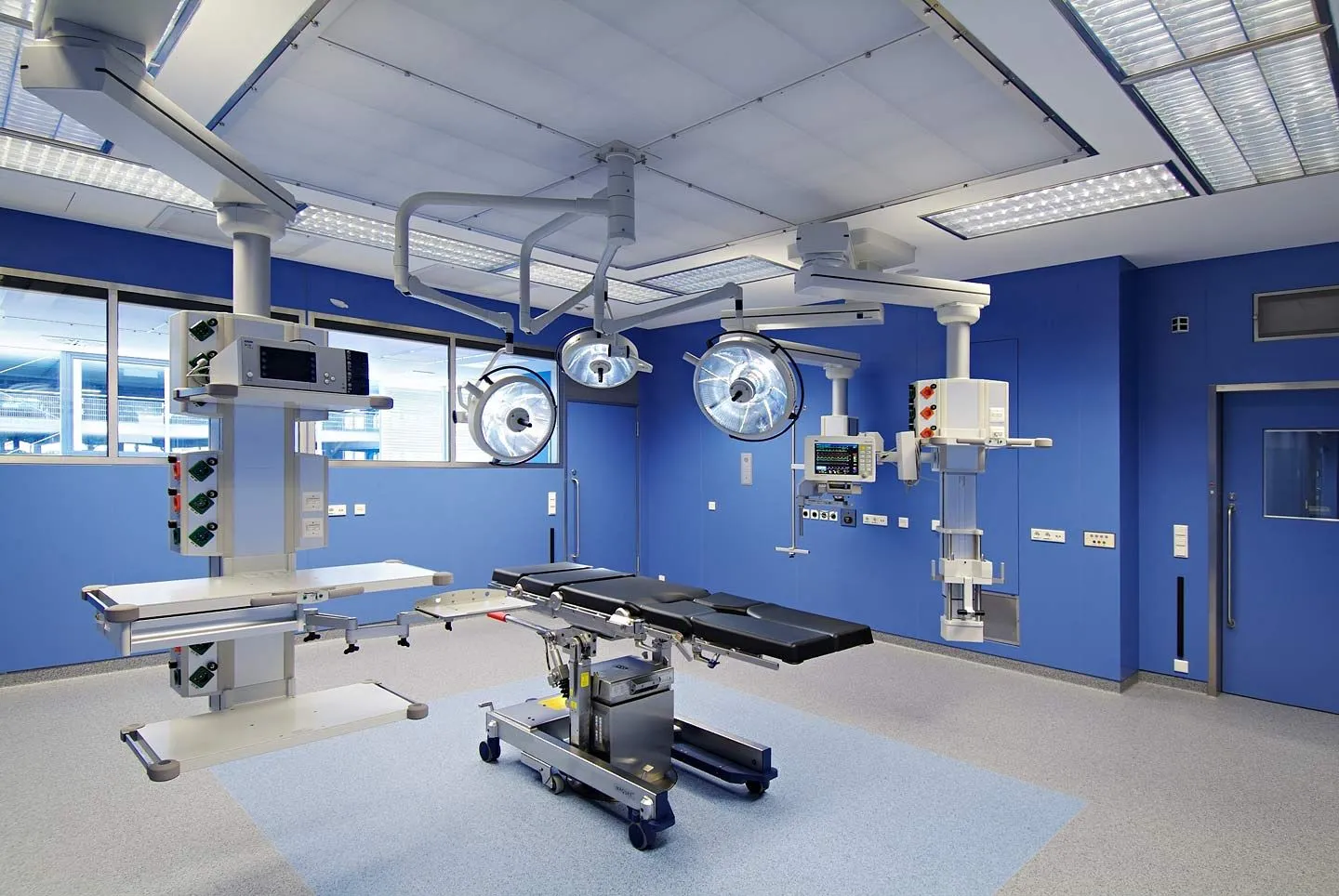
Turnkey modular operation theatres and ICU setups compliant with NABH standards.
View Details
Lab Furniture Lab Furniture
Lab Furniture
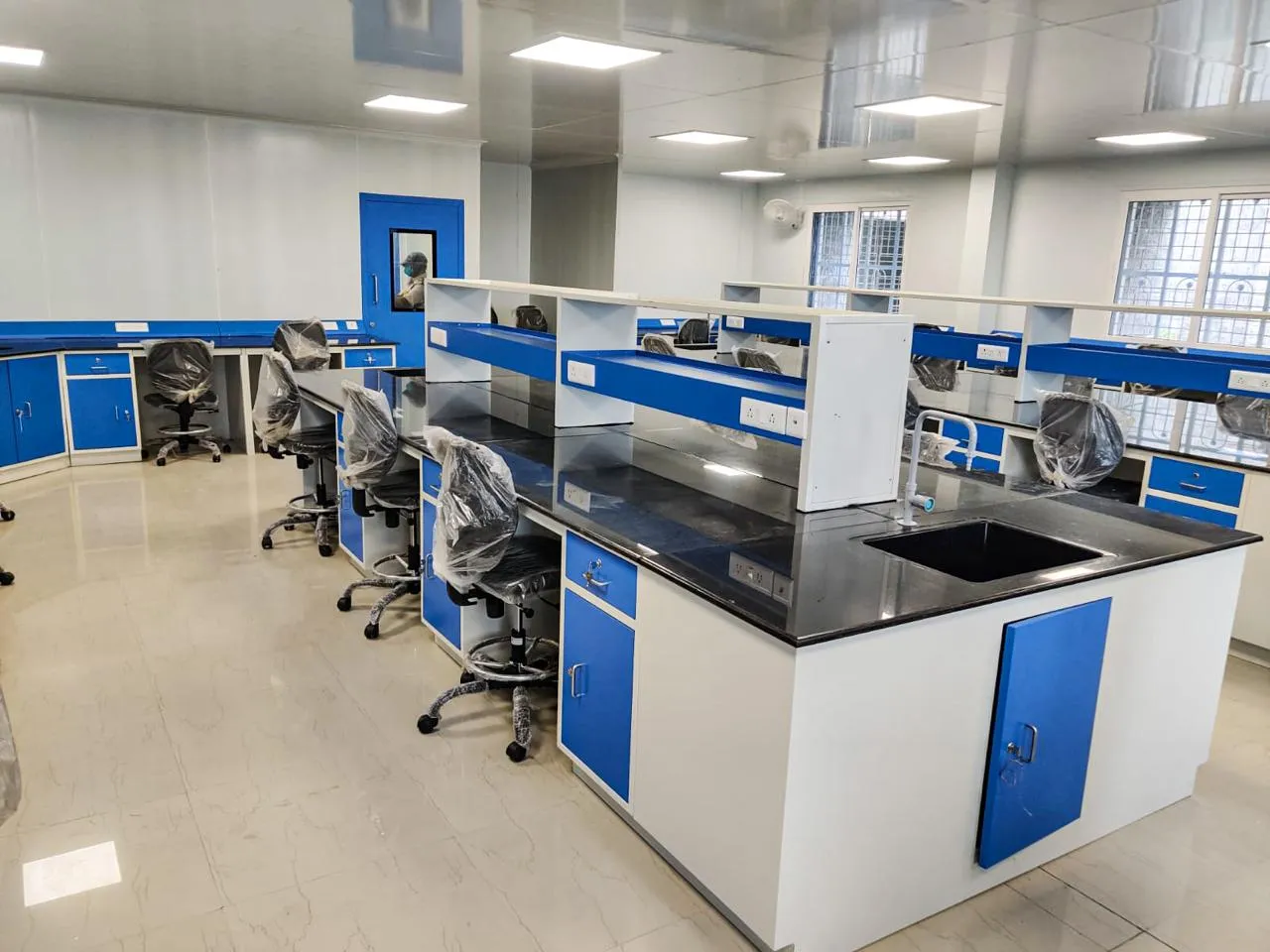
Modular SS and GI lab benches, island tables, cabinets, stools and reagent racks.
View Details
Electrical Electrical
Electrical
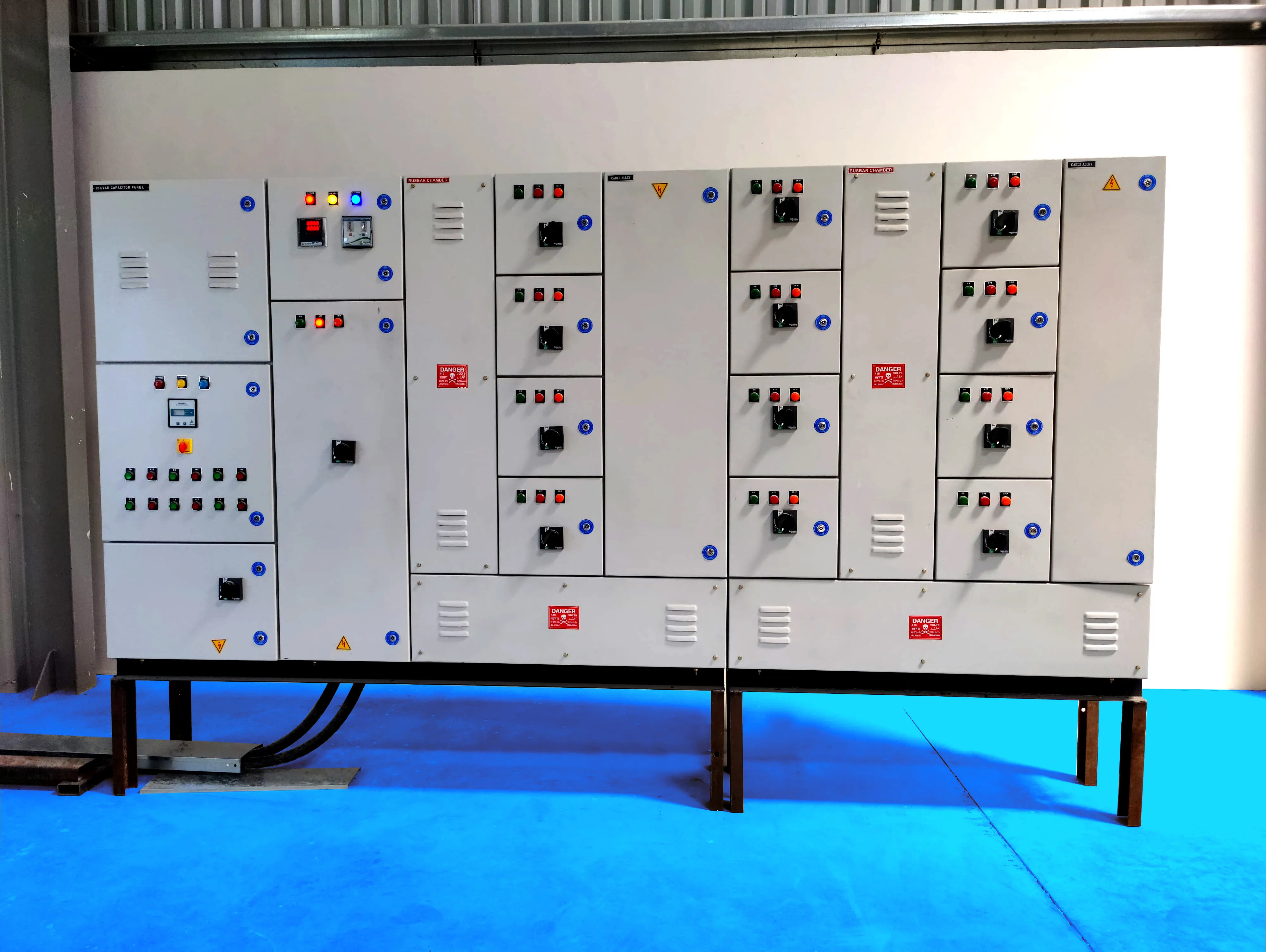
VFD, MCC, PCC, APFC panels, UPS systems, cabling and lighting control solutions.
View Details
BMS BMS Systems
BMS Systems
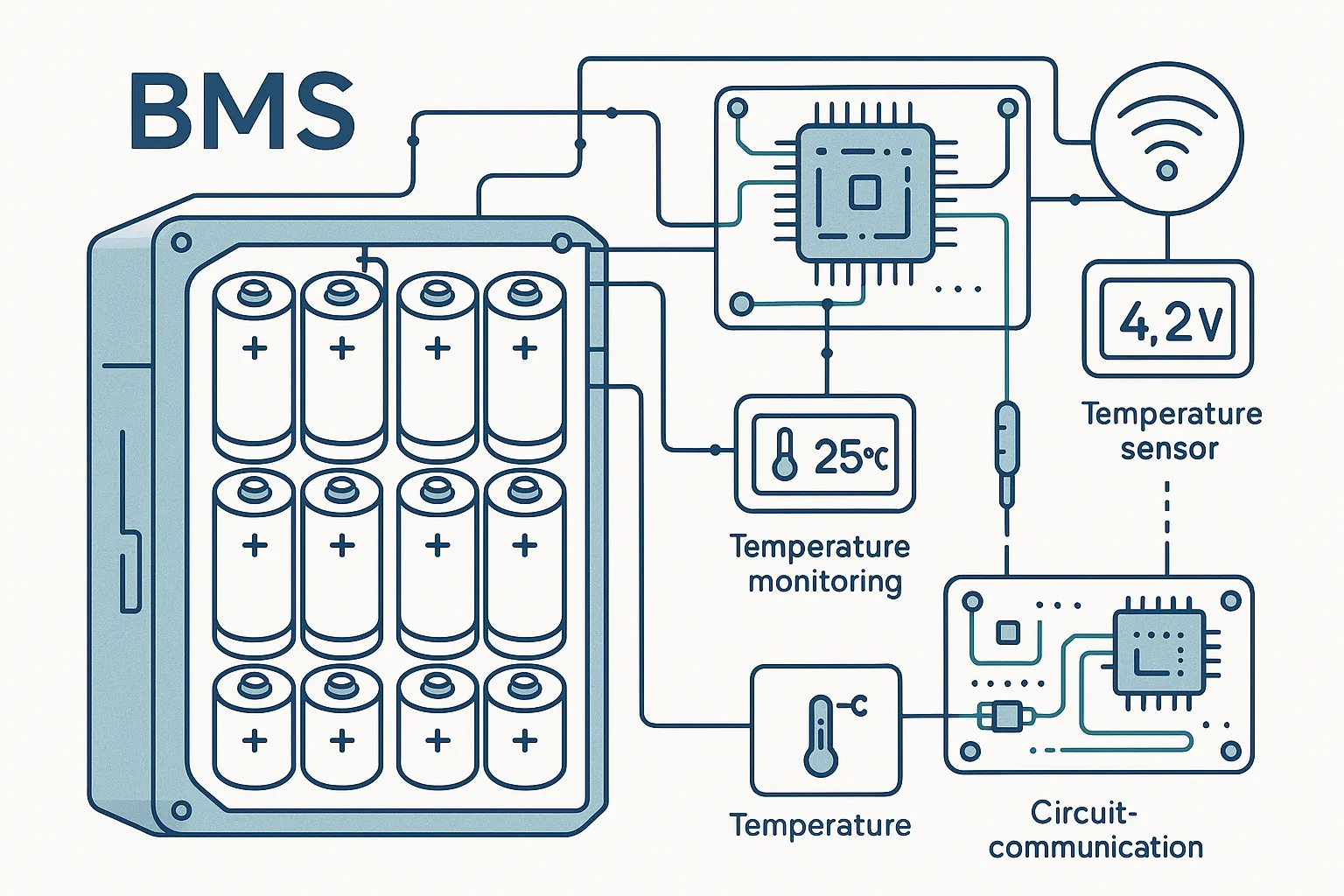
Building management systems for centralized monitoring of HVAC, lighting and utilities.
View Details
Construction Construction
Construction
Turnkey civil, MEP, HVAC and cleanroom construction for pharma, hospitals and industry.
View Details
Testing & Validation
Full cleanroom validation — air velocity, particle count, HEPA integrity, DQ/IQ/OQ documentation.
View Details
Flooring
Epoxy and vinyl flooring solutions — seamless, anti-static, chemical resistant for cleanrooms and labs.
View Details

Ready to Upgrade Your Facility?

Get in touch with our experts for a free consultation and competitive quote on modular OTs, clean rooms, and more.

Enquire Now
Call Now