Electrical

VFD Panels

  • Controls motor speed and airflow efficiency for HVAC systems
  • Energy efficient operation with overload protection
  • Suitable for AHU, exhaust, and cleanroom applications

UPS Systems & Backup Solutions

  • Provides uninterrupted backup power supply
  • Protects critical equipment from voltage fluctuations
  • Suitable for cleanrooms, labs, and industrial facilities

Distribution Panels & LT Panels

  • Safe and reliable electrical power distribution system
  • Modular panel construction with protection devices
  • Suitable for industrial and HVAC electrical networks

Transformers & Structured Cabling

  • Reliable voltage conversion and power management
  • Organized structured cabling for electrical systems
  • Ensures safe and efficient electrical connectivity

Earthing & Lighting Solutions

  • Proper grounding system for electrical safety
  • Energy efficient lighting installation
  • Suitable for industrial, lab, and cleanroom environments

MCC Panels

  • Centralized motor control and protection system
  • Modular design with overload and short circuit protection
  • Suitable for HVAC and process applications

PCC Panels

  • Main power control center for industrial distribution
  • Heavy duty panel construction with safety interlocks
  • Ensures stable and efficient power management

APFC Panels

  • Automatic power factor correction system
  • Reduces power losses and improves efficiency
  • Integrated capacitor bank control arrangement

Electrical Cabling Works

  • Industrial grade power and control cabling
  • Organized routing with cable trays and conduits
  • Safe and compliant electrical installation

Lighting Control Systems

  • Centralized lighting monitoring and control
  • Energy saving automation features
  • Suitable for cleanroom and industrial facilities
Designed and fabricated/executed as per client and site requirement.

Our Work

Real projects delivered by our team.

Project images coming soon.

Upload images to assets/images/products/electrical/work/

Turnkey Industrial Electrical Solutions for Pharma, Cleanroom & Manufacturing Facilities in Bangalore

Industrial electrical systems are the operational backbone of every manufacturing plant, cleanroom facility, pharmaceutical unit, biotechnology laboratory, and commercial infrastructure project. When electrical distribution, motor control, power quality, and backup systems are engineered and integrated correctly, they protect equipment, reduce energy losses, prevent unplanned downtime, and ensure regulatory compliance across the facility lifecycle. S.M. Enterprises delivers turnkey industrial electrical solutions from Bangalore — covering design, supply, fabrication, installation, testing, and commissioning under a single project scope.

01

Power Distribution and Control Panel Engineering

Reliable power distribution begins at the primary control level. S.M. Enterprises manufactures and installs PCC panels — Power Control Centres — which serve as the main incoming distribution point for industrial facilities, receiving high-capacity supply and distributing it to downstream electrical networks with built-in safety interlocks and fault protection. From the PCC, power is routed through LT panels — Low Tension distribution panels — that subdivide and protect individual electrical circuits serving production lines, HVAC systems, utilities, and building services.

For facilities with multiple motor-driven systems — AHUs, compressors, pumps, conveyors, and process equipment — MCC panels (Motor Control Centres) provide centralised motor control and protection from a single, modular enclosure. Each MCC section incorporates overload relays, short-circuit protection, and isolation provisions, simplifying maintenance and reducing the risk of electrical faults propagating through connected systems.

02

Variable Frequency Drives and Power Quality Management

Energy efficiency and motor longevity in industrial and HVAC applications depend significantly on speed control. VFD panels — Variable Frequency Drive panels — regulate motor speed by modulating supply frequency, allowing AHUs, exhaust fans, cooling tower fans, and cleanroom pressurisation systems to operate at demand-matched speeds rather than fixed full-load conditions. This directly reduces energy consumption, lowers mechanical wear on motors and drive trains, and enables precise airflow control — a non-negotiable requirement in cleanroom electrical systems and pharmaceutical HVAC electrical systems.

Power factor is a parallel efficiency concern. Poor power factor increases reactive current draw, raises KVA demand charges, and loads distribution infrastructure unnecessarily. APFC panels — Automatic Power Factor Correction panels — monitor the facility's power factor in real time and switch capacitor banks in and out automatically to maintain correction within the utility-specified range, delivering measurable reductions in energy costs and improving power distribution system stability — a core component of any industrial power distribution solution.

03

Backup Power, Cabling, and Earthing Infrastructure

Critical processes in pharmaceutical cleanrooms, laboratories, hospital infrastructure, and semiconductor manufacturing cannot tolerate supply interruptions. UPS systems and backup solutions provide seamless, uninterrupted power to sensitive equipment — protecting processes, instrumentation, and data from voltage fluctuations, momentary outages, and brownout events. S.M. Enterprises specifies and installs UPS systems sized and configured to the runtime and load requirements of each facility.

The electrical distribution backbone extends beyond panels to the cabling and containment infrastructure connecting every system component. Electrical cabling works — using industrial-grade power and control cables routed through cable trays, conduit, and trunking — are installed to IE and IS code requirements, with segregated routing for power, control, and instrumentation circuits. Transformers handle voltage conversion where facility supply voltage differs from equipment requirements, and structured cabling systems provide the organised, labelled, and documented connectivity infrastructure that MEP consultants and facility managers require for long-term maintainability.

Earthing and lightning solutions complete the electrical safety system — providing fault current paths that protect personnel and equipment, and suppressing transient voltages that can damage sensitive electronic systems in cleanrooms, laboratories, and automation-intensive manufacturing environments. Lighting control systems, integrated with BMS infrastructure, enable centralised management of energy-efficient lighting across industrial and cleanroom zones, supporting both occupancy-based automation and energy reporting requirements.

04

Industrial Electrical Contractors in Bangalore for MEP and EPC Projects

S.M. Enterprises serves as industrial electrical system integrators for MEP contractors, EPC project teams, facility managers, pharmaceutical manufacturers, biotechnology firms, and infrastructure developers across Bangalore and Karnataka. The capability spans electrical panel manufacturing, site installation, system integration with HVAC and BMS, testing, commissioning, and handover documentation.

Industrial manufacturers, pharmaceutical companies, cleanroom consultants, EPC contractors, and procurement teams planning new facilities or electrical system upgrades are invited to contact S.M. Enterprises for a detailed scope review and project-specific quotation. Call +91 82964 97411 or submit your requirements through the enquiry form on this page.
Need a Custom Quote for Electrical?

Our experts will respond within 24 hours with detailed specifications and pricing.

Talk to an Expert

Frequently Asked Questions

01

What is included in an industrial electrical solutions package for pharmaceutical and cleanroom facilities?

An industrial electrical solutions package typically covers panel manufacturing, power distribution, control systems, and safety infrastructure. This includes MCC panels for motor control, PCC panels for main power distribution, LT panels for low-tension networks, VFD panels for variable-speed drives, and APFC panels for power factor correction. It also spans UPS systems for backup power, structured cabling, cable tray installation, earthing, and lightning protection. For pharmaceutical and cleanroom facilities specifically, these systems are engineered to support HVAC electrical loads, process equipment, and building management integration, while meeting IEC and IS electrical standards required for GMP-compliant manufacturing environments.

02

What is the difference between MCC and PCC panels?

A PCC (Power Control Centre) panel receives incoming power from the utility or transformer and distributes it to downstream panels, acting as the main power control center for a facility. An MCC (Motor Control Centre) panel, by contrast, is dedicated to controlling and protecting multiple motors — such as those in HVAC, pumps, or process equipment — through starters, overload relays, and protection devices. In a typical industrial electrical system, power flows from the PCC to one or more MCC panels. PCC panels handle overall power management and safety interlocks, while MCC panels focus on motor-specific control and fault protection.

03

How does a VFD panel improve energy efficiency in HVAC systems?

A VFD (Variable Frequency Drive) panel regulates motor speed by adjusting the frequency and voltage supplied to HVAC motors, rather than running them at a fixed speed. This allows fans, pumps, and air handling units to operate only at the speed required for current airflow demand, reducing energy consumption compared to conventional motor starters. VFD panels also provide overload protection and smoother motor starting, which reduces mechanical wear. In cleanroom and industrial HVAC applications, VFD panels are commonly used for AHU and exhaust systems, where precise airflow control directly affects energy costs, equipment lifespan, and cleanroom pressure differential stability.

04

What are the benefits of an APFC panel compared to a manual capacitor bank?

An APFC (Automatic Power Factor Correction) panel uses a microprocessor-based controller to continuously monitor power factor and automatically switch capacitor banks in or out as load conditions change. A manual capacitor bank, by contrast, requires an operator to adjust capacitor stages, which often results in overcorrection or undercorrection as loads fluctuate throughout the day. APFC panels reduce reactive power losses, lower electricity bills by minimizing penalty charges for poor power factor, and protect capacitors from damage during load switching. For industrial facilities with variable motor loads, automatic correction is significantly more reliable than manual adjustment.

05

What is the difference between an LT panel and a distribution panel?

An LT (Low Tension) panel handles power distribution at voltages typically up to 1,100V, receiving power from a transformer or PCC panel and distributing it to various sub-panels and loads across a facility. A distribution panel is a broader term referring to any panel that splits power into multiple circuits for specific areas or equipment, and can exist at both LT and smaller sub-circuit levels. In practice, LT panels form the primary distribution backbone of an industrial electrical network, while individual distribution boards downstream handle final circuit-level distribution to lighting, machinery, or process equipment within specific zones.

06

Why are UPS systems necessary in cleanroom and laboratory facilities?

UPS (Uninterruptible Power Supply) systems provide instantaneous backup power during utility outages or voltage fluctuations, preventing sudden shutdowns of critical equipment. In cleanroom and laboratory environments, an unplanned power loss can compromise sensitive experiments, environmental controls, HVAC pressure differentials, and validated processes — resulting in costly downtime or contamination risk. UPS systems bridge the gap between power failure and backup generator activation, or supply continuous power for equipment that cannot tolerate any interruption. They also protect sensitive electronic instruments and control systems from voltage spikes and sags that can otherwise cause equipment damage or data loss.

07

Why are earthing and lightning protection critical for industrial electrical systems?

Earthing provides a low-resistance path for fault currents to safely dissipate into the ground, protecting personnel from electric shock and equipment from damage during a short circuit or insulation failure. Lightning protection systems, including air terminals, down conductors, and earthing grids, shield buildings and electrical infrastructure from direct lightning strikes and induced surges. Together, these systems form the foundation of electrical safety compliance under IS and IEC standards. In industrial and cleanroom facilities, proper earthing also stabilizes voltage reference points for sensitive instrumentation, reducing electrical noise that could otherwise interfere with process control and measurement equipment.

08

What factors affect the cost of an industrial electrical project?

Industrial electrical project costs depend on several factors: the scale and load capacity of the facility, the number and type of panels required (MCC, PCC, LT, VFD, or APFC), cabling length and routing complexity, and the level of automation or integration with a Building Management System. Site-specific requirements such as cleanroom compliance, redundancy needs for UPS backup, and the extent of civil or structural work also influence pricing. Turnkey projects that combine design, panel manufacturing, installation, and commissioning typically involve different cost structures than supply-only contracts. A detailed site assessment and load study are needed to provide accurate project pricing.

09

Do you provide turnkey electrical installation and commissioning services?

Yes, turnkey electrical execution covers the complete project lifecycle — from panel design and manufacturing to on-site installation, cabling, testing, and commissioning. This includes electrical cabling works with cable trays and conduits, panel installation, load testing, and pre-commissioning checks to verify that all systems operate as per design specifications before handover. Turnkey execution ensures that panels, distribution systems, and control infrastructure are engineered around each facility's actual electrical load and site layout, rather than built to a generic template. This reduces coordination overhead between multiple vendors during a project and simplifies accountability for the client.

10

How do I request a quotation for electrical panel manufacturing or installation?

To request a quotation, share your facility type, approximate electrical load requirements, and the specific panels or systems needed — such as MCC, PCC, VFD, LT, or APFC panels — along with any relevant drawings or single-line diagrams if available. This allows for an accurate assessment of panel specifications, cabling requirements, and installation scope. Quotation requests can be submitted through the website's quote request form or by contacting the team directly by phone or email; requests submitted online typically receive a response within 24 hours with detailed specifications and pricing. For pharmaceutical, cleanroom, or hospital projects, mentioning GMP or NABH compliance requirements upfront helps ensure the proposed system meets facility-specific regulatory needs.

Other Product Categories

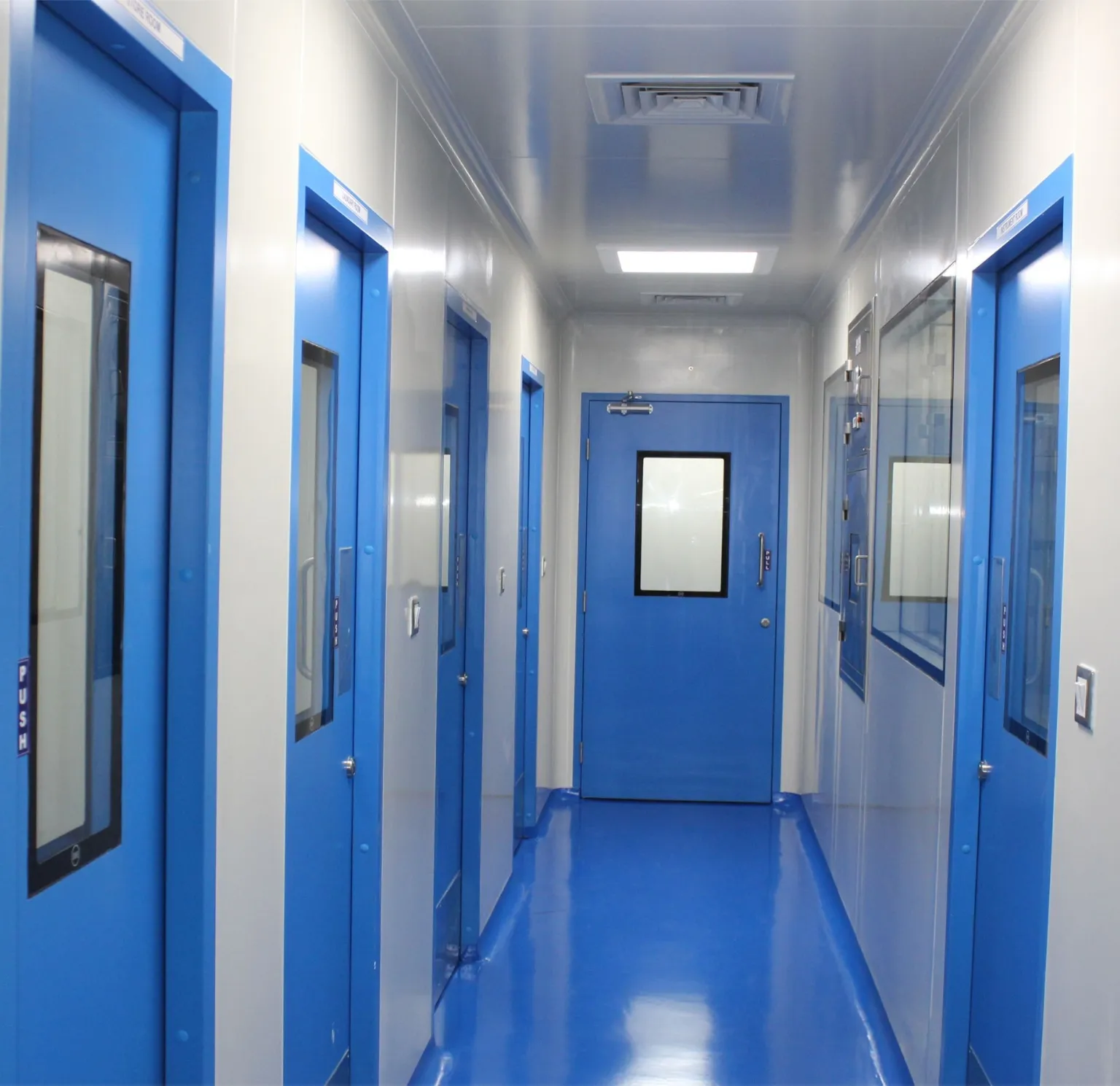
Clean Room Clean Room Solutions
Clean Room Solutions
Complete cleanroom design and build — partitions, equipment, furniture, doors and flooring.
View Details
HVAC HVAC Systems
HVAC Systems
Ducting, AHUs, grills, humidifiers and full HVAC solutions for cleanrooms and hospitals.
View Details
Doors Metal Doors
Metal Doors
Fire-rated, SS, hermetically sealed and automatic sliding doors for all environments.
View Details
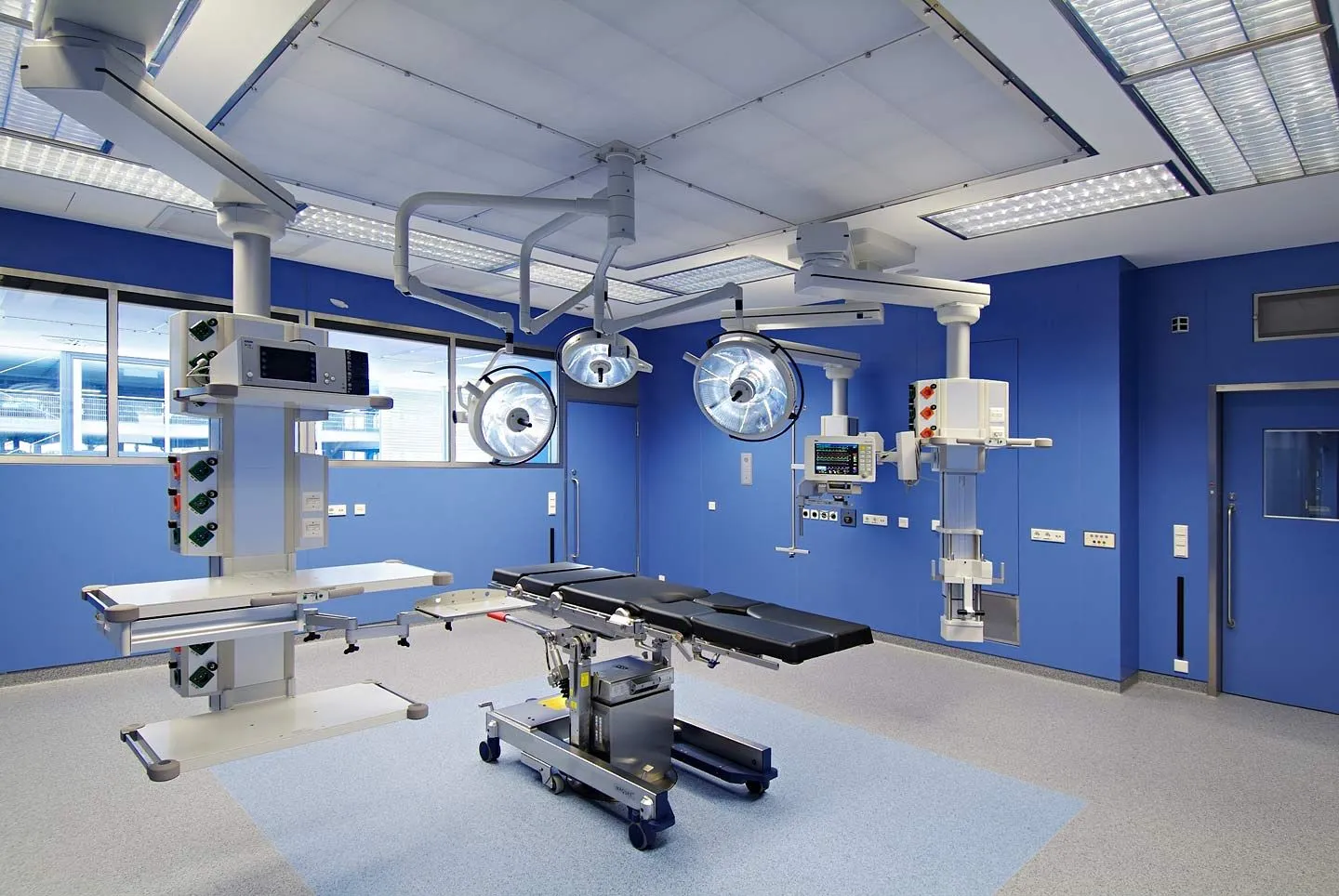
OT & ICU Modular OT & ICU
Modular OT & ICU
Turnkey modular operation theatres and ICU setups compliant with NABH standards.
View Details
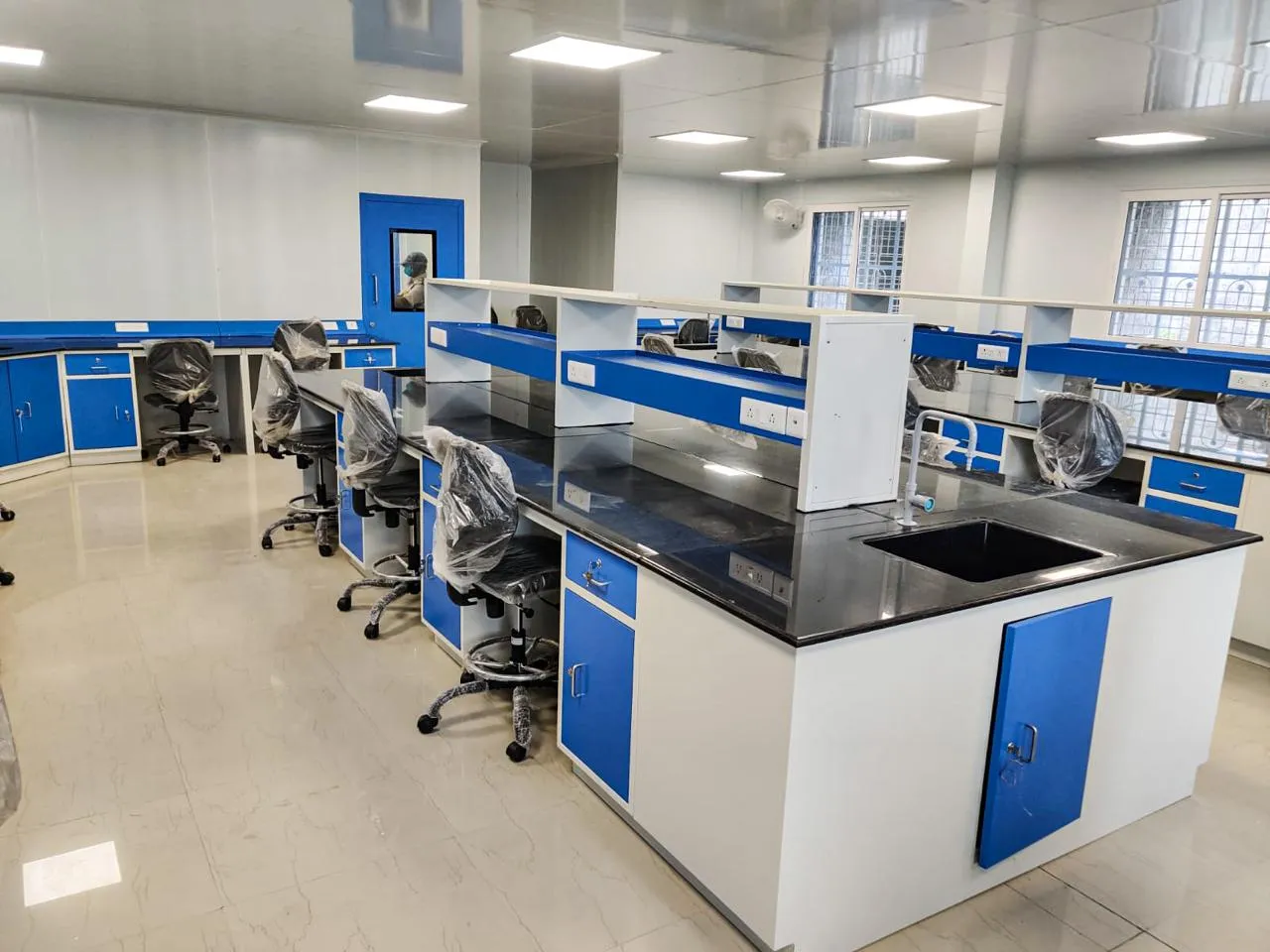
Lab Furniture Lab Furniture
Lab Furniture
Modular SS and GI lab benches, island tables, cabinets, stools and reagent racks.
View Details
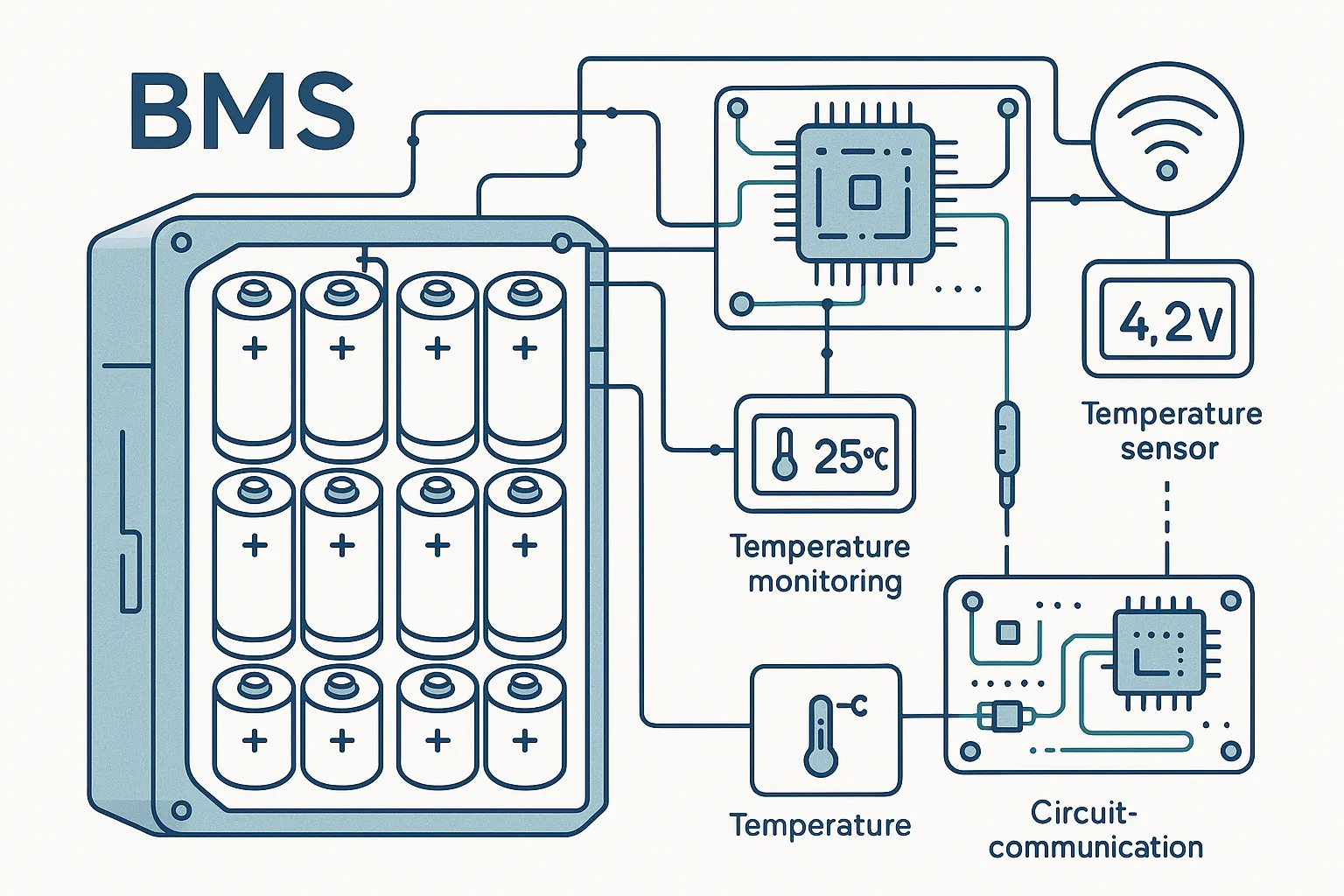
BMS BMS Systems
BMS Systems
Building management systems for centralized monitoring of HVAC, lighting and utilities.
View Details
Construction Construction
Construction
Turnkey civil, MEP, HVAC and cleanroom construction for pharma, hospitals and industry.
View Details
Testing & Validation
Full cleanroom validation — air velocity, particle count, HEPA integrity, DQ/IQ/OQ documentation.
View Details
Flooring
Epoxy and vinyl flooring solutions — seamless, anti-static, chemical resistant for cleanrooms and labs.
View Details

Ready to Upgrade Your Facility?

Get in touch with our experts for a free consultation and competitive quote on modular OTs, clean rooms, and more.

Enquire Now
Call Now