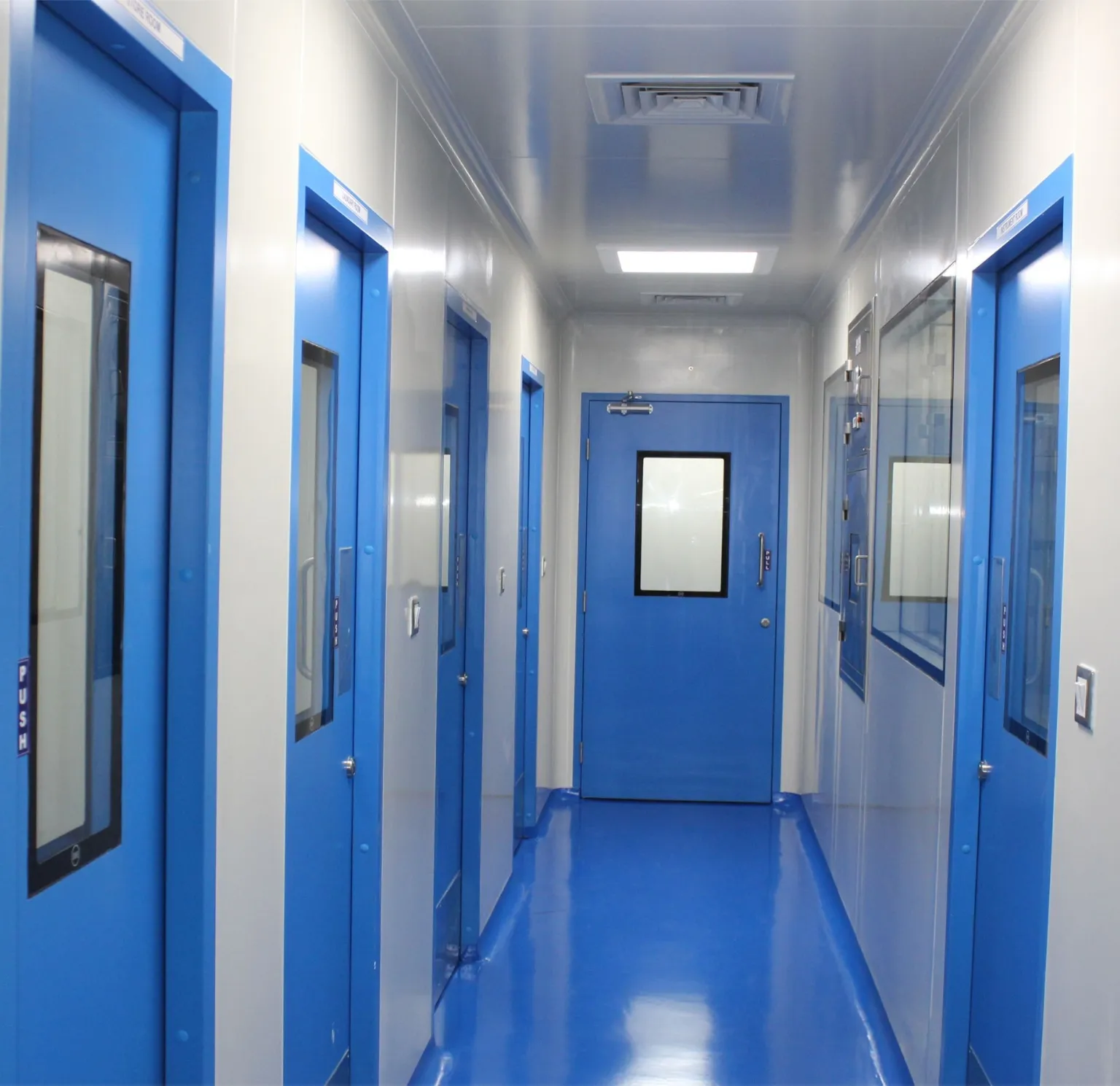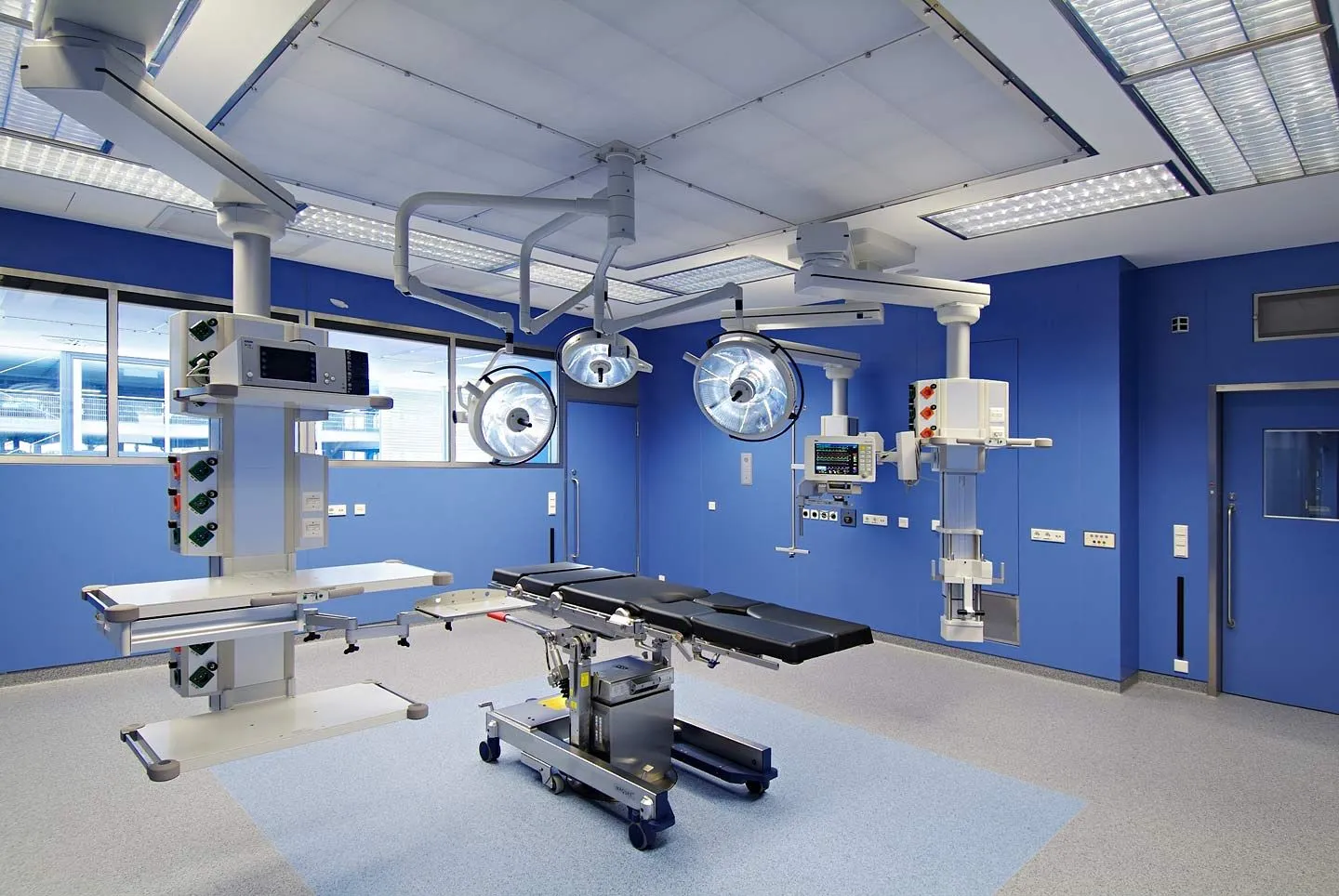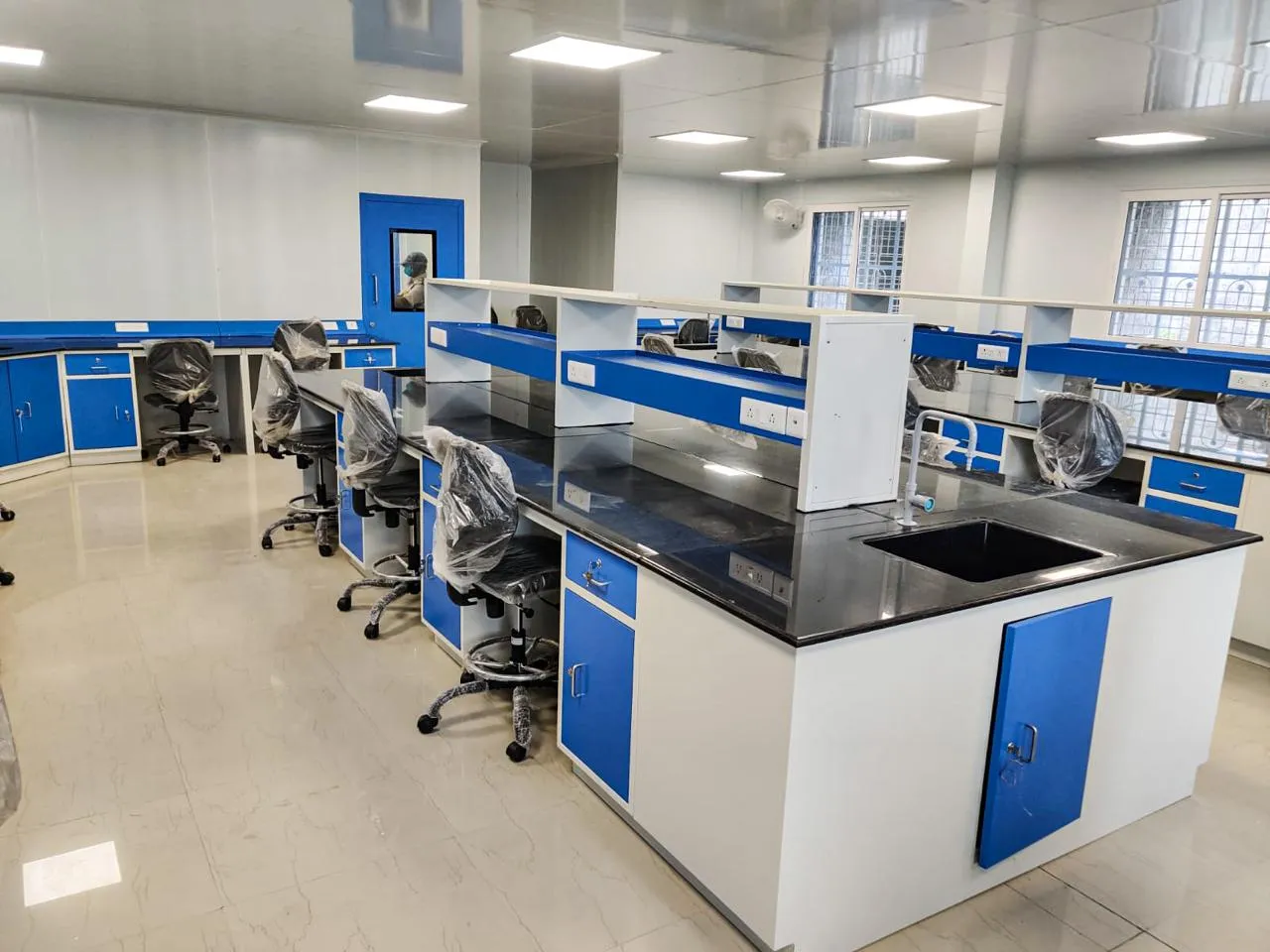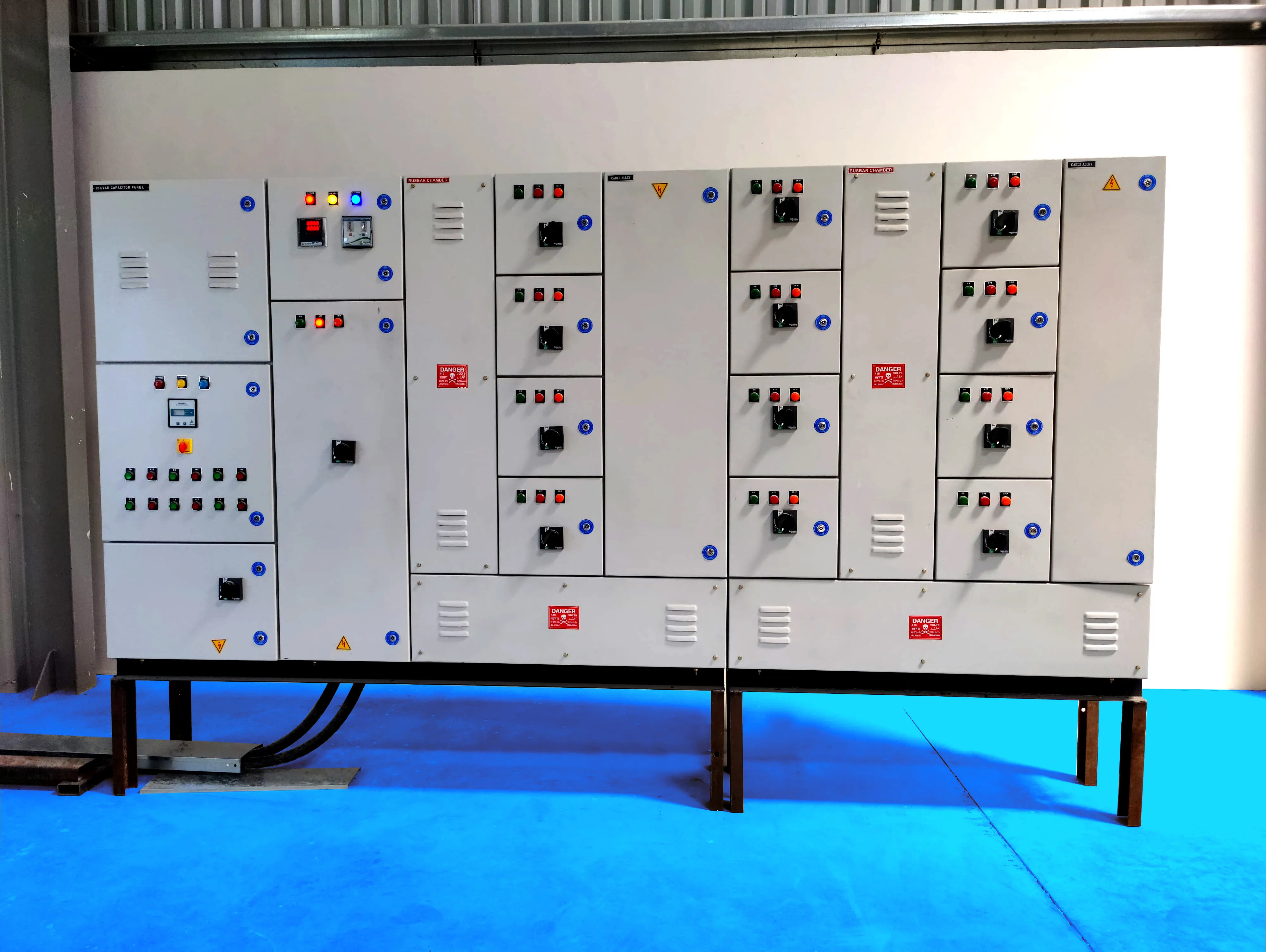
Flooring

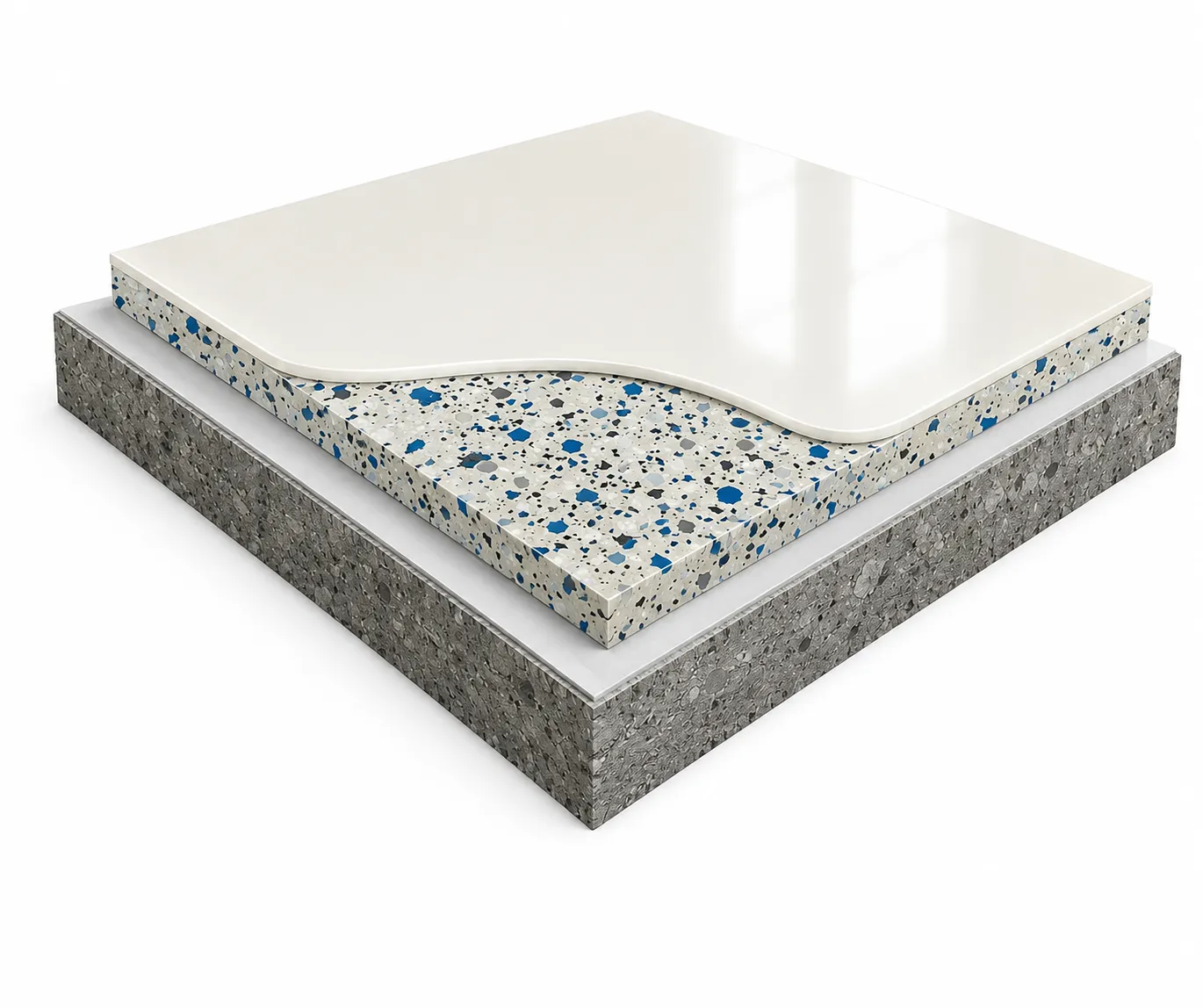
Epoxy Flooring

Epoxy Flooring

  • Seamless and dust free epoxy coated surface
  • Chemical, abrasion, and impact resistant finish
  • Anti-static and easy to clean design
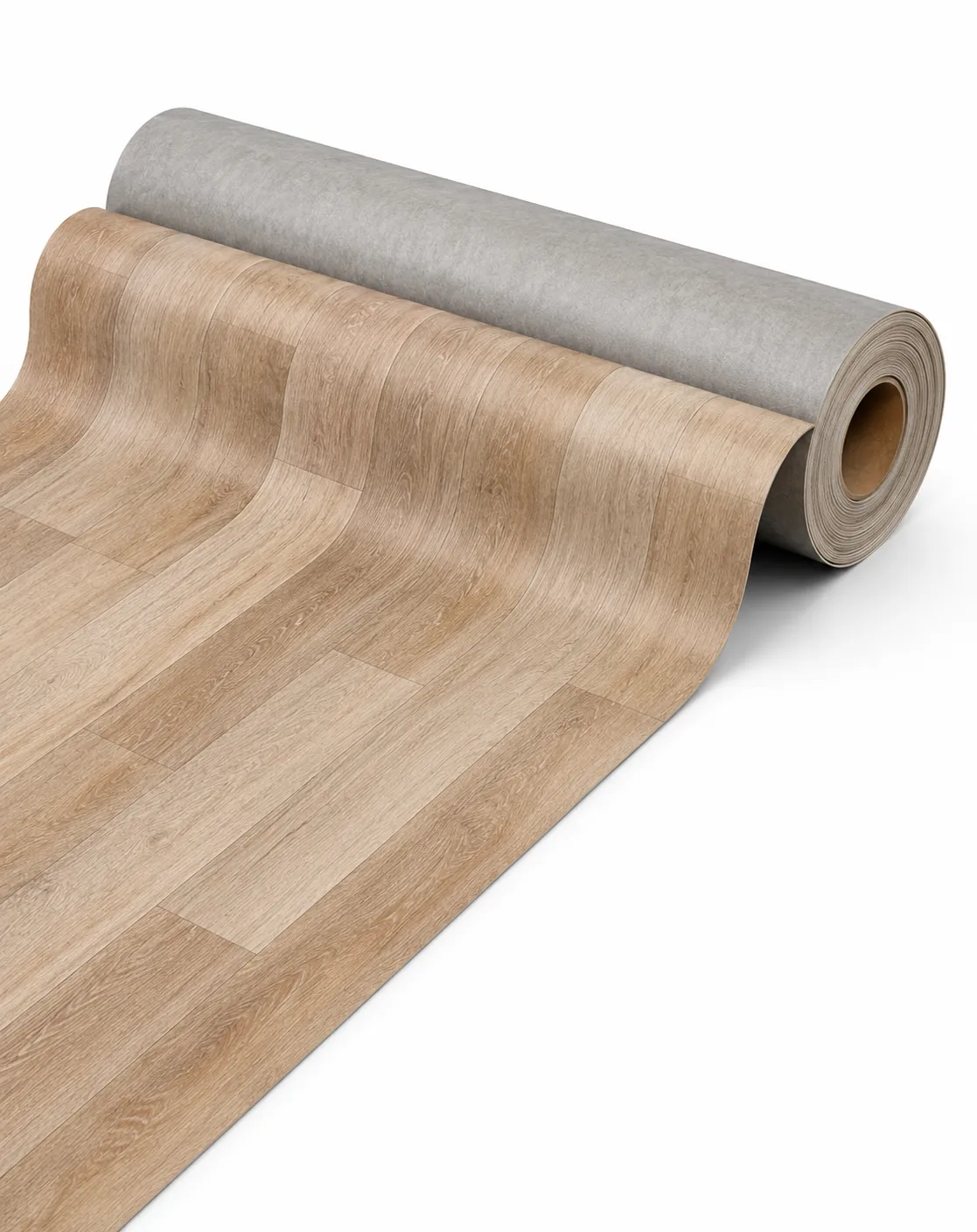
Vinyl Flooring

Vinyl Flooring

  • Homogeneous conductive/antistatic vinyl flooring
  • Heat welded joints for seamless finish
  • Wear resistant and easy maintenance surface
Designed and executed as per client and site requirement.

Our Work

Real projects delivered by our team.

Project images coming soon.

Upload images to assets/images/products/flooring/work/

Epoxy & Vinyl Industrial Flooring Solutions for Pharma, Cleanroom & Manufacturing Facilities in Bangalore

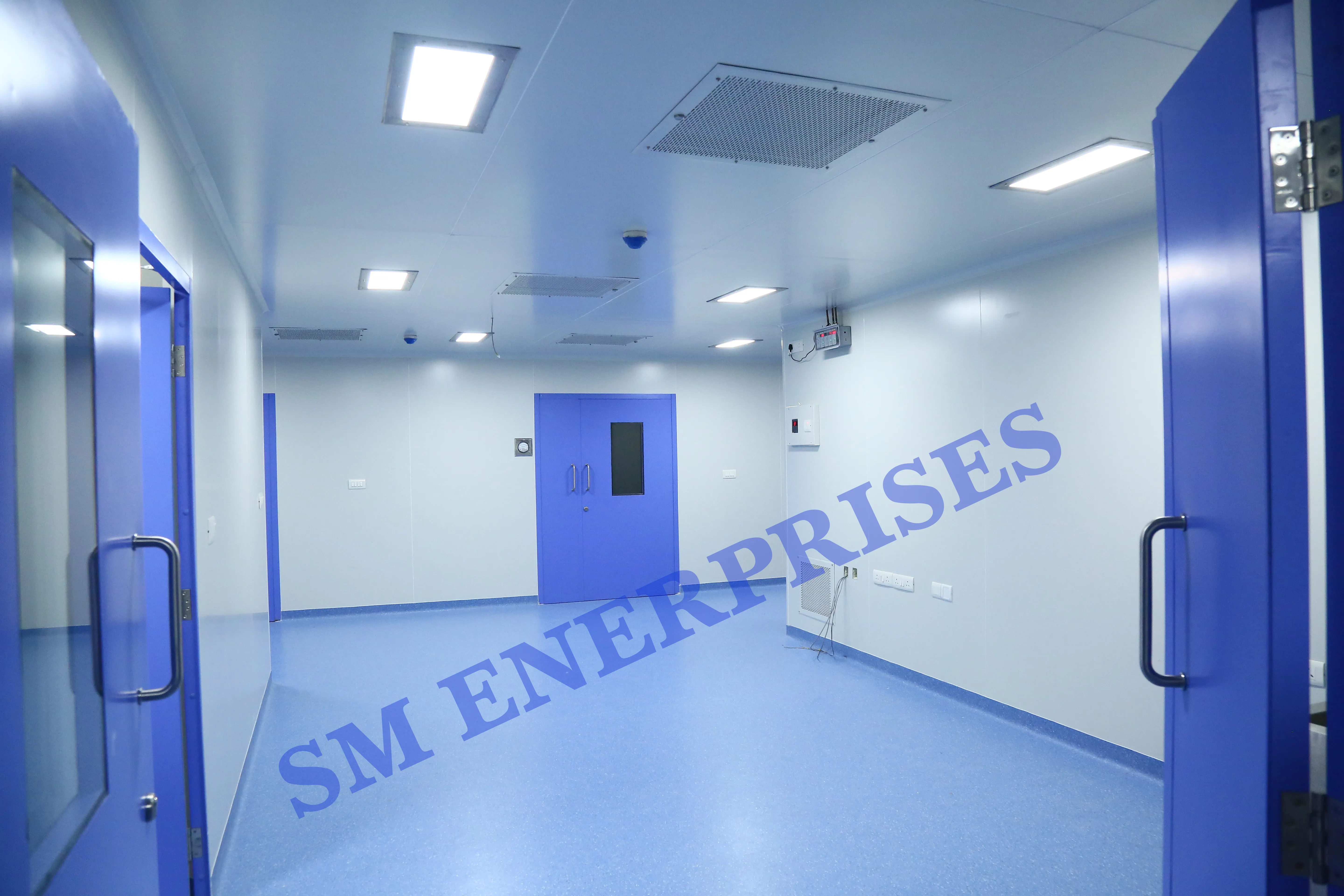
Industrial flooring is a structural and hygienic system component, not a finishing material. In pharmaceutical manufacturing plants, biotechnology facilities, hospital operation theatres, ISO-classified cleanrooms, electronics manufacturing units, semiconductor fabrication areas, food processing plants, quality control laboratories, and warehouses, the floor surface must perform reliably under chemical exposure, mechanical load, contamination control requirements, anti-static specifications, and rigorous cleaning regimes — simultaneously and throughout the operational life of the facility. S.M. Enterprises provides industrial flooring solutions in Bangalore, delivering epoxy flooring and vinyl flooring systems for controlled and industrial environments across Karnataka and South India.

01

Epoxy Flooring: Seamless, Chemical-Resistant, and Load-Bearing

Epoxy flooring is a resin-based coating system applied to prepared concrete substrates to produce a seamless, jointless surface that eliminates the contamination harbourage points created by tiles, grout lines, and mechanical joints. The seamless finish is the primary hygiene advantage of epoxy flooring in pharmaceutical, cleanroom, hospital, and food processing environments — surfaces without joints cannot trap particulates, moisture, or microbial contamination, and can be decontaminated fully with aggressive cleaning agents and disinfectants without risk of surface degradation.

Epoxy systems used in industrial environments are formulated to resist a wide spectrum of chemicals — acids, alkalis, solvents, process fluids, and disinfectants — without surface softening, blistering, or adhesion failure. The surface hardness and abrasion resistance of cured epoxy flooring make it suitable for areas subject to heavy foot traffic, trolley movement, equipment loading, and impact events that would rapidly degrade conventional floor finishes. S.M. Enterprises installs epoxy flooring systems with anti-static properties where ESD flooring requirements apply — including electronics assembly areas, semiconductor facilities, and sensitive instrument laboratories where electrostatic discharge poses a product quality or equipment damage risk.

Proper substrate preparation is the determining factor in epoxy flooring installation quality and long-term adhesion performance. S.M. Enterprises prepares concrete substrates through mechanical grinding or shot blasting to remove surface contamination, laitance, and existing coatings before primer and coating application — a step that directly determines whether the installed floor achieves its specified adhesion strength, chemical resistance, and service life.

02

Vinyl Flooring: Conductive, Flexible, and Cleanroom-Compatible

Homogeneous conductive and antistatic vinyl flooring is the preferred cleanroom flooring system for environments where a degree of surface flexibility, acoustic performance, and anti-static grounding are required alongside seamless hygiene. Unlike heterogeneous vinyl tiles, homogeneous vinyl flooring is manufactured from a single uniform material layer throughout its full thickness — meaning that as the surface wears over time, the anti-static and chemical-resistant properties remain consistent without degradation of a separate surface layer.

Heat-welded joints between vinyl sheets produce a seamless, waterproof surface without adhesive-exposed edges or mechanical fasteners, eliminating potential contamination points at panel boundaries. In modular operation theatres, hospital wards, pharmaceutical production areas, and biotechnology laboratories, heat-welded vinyl flooring meets the surface integrity requirements of ISO and GMP-compliant environments while providing the resilience and underfoot comfort characteristics that make it preferred in areas with prolonged standing work.

S.M. Enterprises installs vinyl flooring systems with integral coved skirting — a technique that eliminates the wall-to-floor junction as a contamination trap by forming a continuous, curved transition between the floor and wall surfaces. Coved skirting is a standard requirement in GMP pharmaceutical facilities, hospital cleanrooms, and food processing environments where floor-wall junctions must be fully cleanable and free of angular recesses.

03

Industrial Flooring Contractors in Bangalore for EPC and Facility Projects

For EPC contractors, architects, facility managers, and procurement teams managing industrial construction or fit-out projects in Bangalore, selecting an industrial flooring installation services provider with direct experience in pharmaceutical, cleanroom, and controlled environment applications is essential to achieving compliance, performance, and programme certainty. S.M. Enterprises delivers epoxy and vinyl flooring installations as standalone contracts or as part of broader turnkey cleanroom, modular OT, and industrial construction scopes.

Industrial manufacturers, pharmaceutical companies, biotechnology firms, hospitals, laboratory operators, and infrastructure developers planning new flooring installations or floor system replacements are invited to contact S.M. Enterprises for a technical consultation and project-specific quotation. Call +91 82964 97411 or submit your requirements through the enquiry form on this page.
Need a Custom Quote for Flooring?

Our experts will respond within 24 hours with detailed specifications and pricing.

Talk to an Expert

Frequently Asked Questions

01

What are industrial flooring solutions and which types are commonly used in cleanroom and pharmaceutical facilities?

Industrial flooring solutions are engineered floor systems designed to withstand chemical exposure, heavy foot or equipment traffic, and strict hygiene requirements found in manufacturing, pharmaceutical, and laboratory environments. The two most widely used systems are epoxy flooring, a seamless resin coating applied over prepared concrete, and vinyl flooring, typically installed as homogeneous conductive or anti-static sheets with heat-welded joints. Both systems create a jointless, dust-free surface that resists chemical spills, abrasion, and impact while remaining easy to clean and disinfect. The right choice depends on the facility's specific requirements — chemical exposure, static control needs, cleanroom classification, and expected traffic or load patterns.

02

What is epoxy flooring and what makes it suitable for industrial and cleanroom environments?

Epoxy flooring is a resin-based coating system applied over prepared concrete to create a seamless, dust-free surface with high resistance to chemical spills, abrasion, and mechanical impact. Because the coating is applied as a continuous layer without joints or seams, it eliminates the crevices where dust, bacteria, or contaminants could otherwise accumulate, making it well suited for cleanroom, pharmaceutical, and laboratory floors where hygiene and particle control are critical. Epoxy flooring can also be formulated with anti-static properties for environments sensitive to electrostatic discharge. Its easy-to-clean, low-maintenance surface makes it a common choice for facilities requiring frequent washdowns or strict GMP-compliant housekeeping protocols.

03

What is vinyl flooring, and how does it differ from epoxy flooring?

Vinyl flooring used in industrial and cleanroom settings is typically homogeneous sheet vinyl with conductive or anti-static properties, installed with heat-welded joints to create a continuous, seamless surface. Unlike epoxy, which is a liquid-applied resin coating that cures directly onto the concrete substrate, vinyl flooring is a manufactured sheet material rolled out and thermally welded at the seams, offering more consistent thickness and easier localized repair or replacement if damaged. Vinyl flooring is generally more resilient underfoot and offers better wear resistance for high-traffic areas, while epoxy flooring often provides stronger chemical and impact resistance. Both achieve a seamless, hygienic, easy-maintenance finish suitable for controlled environments.

04

What is ESD or anti-static flooring, and why is it required in electronics and semiconductor facilities?

ESD (Electrostatic Discharge) or anti-static flooring is engineered to safely dissipate static electricity that builds up from foot traffic, equipment movement, and material handling, preventing sudden electrostatic discharges that can damage sensitive electronic components. In electronics and semiconductor manufacturing, even a small static discharge can destroy microchips, circuit boards, or other components mid-process, making static control a critical part of facility design rather than an optional feature. Conductive vinyl flooring and anti-static epoxy coatings are both used to achieve controlled electrical resistance within industry-specified ranges, allowing static charge to dissipate to ground safely without creating a shock hazard to personnel or damaging equipment.

05

What is the difference between conductive vinyl flooring and ESD epoxy flooring?

Conductive vinyl flooring achieves static dissipation through a homogeneous sheet material with conductive fibers or additives integrated throughout its thickness, connected to a grounding system via copper strips beneath heat-welded seams. ESD epoxy flooring achieves similar static control through a resin coating system formulated with conductive additives and grounded through embedded copper grids beneath the coating layer. Vinyl generally offers more predictable, consistent conductivity across large areas due to manufactured consistency, while epoxy allows for a fully seamless, jointless surface without any welded seams at all. The choice often comes down to whether chemical resistance (favoring epoxy) or underfoot resilience and ease of localized repair (favoring vinyl) is the priority.

06

Why is seamless, jointless flooring important for cleanroom and pharmaceutical compliance?

Seamless flooring eliminates grout lines, tile joints, and seams where dust, moisture, and microbial contamination could otherwise accumulate and become difficult to clean thoroughly. In cleanroom and pharmaceutical environments governed by ISO 14644 and GMP requirements, any surface irregularity that traps particles undermines the facility's ability to maintain its validated particle count classification. A continuous epoxy coating or heat-welded vinyl surface can be cleaned and disinfected uniformly across the entire floor without gaps that harbor residue. This hygienic, jointless design directly supports contamination control objectives and reduces the risk of particle generation from floor surfaces during routine facility operation.

07

What factors affect the cost and timeline of an industrial flooring installation?

Industrial flooring costs depend on the total floor area, the chosen system (epoxy coating versus vinyl sheet), the level of chemical or static-control performance required, and the condition of the existing concrete substrate, since floors with cracks, moisture issues, or unevenness need additional surface preparation before installation. Coved skirting at wall junctions, floor priming, and curing time for epoxy coatings also affect the project schedule. Installation timelines are further influenced by whether the work happens in a new construction shell, where access is unrestricted, or as a renovation within an operating facility, where phased execution is needed to minimize disruption. A site assessment is needed for accurate estimates.

08

What surface preparation is required before installing epoxy or vinyl flooring?

Proper surface preparation is critical to flooring performance and typically involves mechanical grinding or shot blasting to remove surface laitance, contamination, and old coatings, followed by floor levelling to correct unevenness in the concrete substrate. Moisture testing is also performed to confirm the slab's moisture content falls within acceptable limits, since excess moisture can cause epoxy coatings to blister or vinyl adhesive to fail over time. A primer coat is then applied to improve adhesion between the concrete substrate and the flooring system. Skipping or rushing surface preparation is one of the most common causes of premature flooring failure, including delamination, cracking, or coating peel-off.

09

Do you provide flooring installation for both new construction and renovation or replacement projects?

Yes, industrial flooring installation is carried out for both new construction, where flooring is installed as part of the original facility build-out, and renovation or replacement projects within existing operational facilities. Renovation projects typically require additional planning to sequence work around ongoing operations, protect adjacent equipment, and manage curing or ventilation requirements for epoxy coatings in occupied buildings. Replacement projects may also involve removing an existing damaged or non-compliant floor system before new surface preparation and installation begin. Whether new or renovated, flooring is designed and executed to match the specific chemical resistance, static control, and hygiene requirements of the facility.

10

How do I request a quotation for industrial flooring installation?

To request a quotation, share your facility type, the total floor area requiring flooring, and the specific performance requirements — such as chemical resistance, ESD or anti-static control, or cleanroom hygiene compliance. Indicating whether the project is new construction or a renovation, along with the current condition of the substrate, helps in accurately scoping surface preparation and material requirements before an estimate is prepared. Quotation requests can be submitted through the website's quote request form or by contacting the team directly by phone or email, with online submissions typically receiving a response within 24 hours along with detailed specifications and pricing.

Other Product Categories

Clean Room Clean Room Solutions
Clean Room Solutions
Complete cleanroom design and build — partitions, equipment, furniture, doors and flooring.
View Details
HVAC HVAC Systems
HVAC Systems
Ducting, AHUs, grills, humidifiers and full HVAC solutions for cleanrooms and hospitals.
View Details
Doors Metal Doors
Metal Doors
Fire-rated, SS, hermetically sealed and automatic sliding doors for all environments.
View Details
OT & ICU Modular OT & ICU
Modular OT & ICU
Turnkey modular operation theatres and ICU setups compliant with NABH standards.
View Details
Lab Furniture Lab Furniture
Lab Furniture
Modular SS and GI lab benches, island tables, cabinets, stools and reagent racks.
View Details
Electrical Electrical
Electrical
VFD, MCC, PCC, APFC panels, UPS systems, cabling and lighting control solutions.
View Details
BMS BMS Systems
BMS Systems
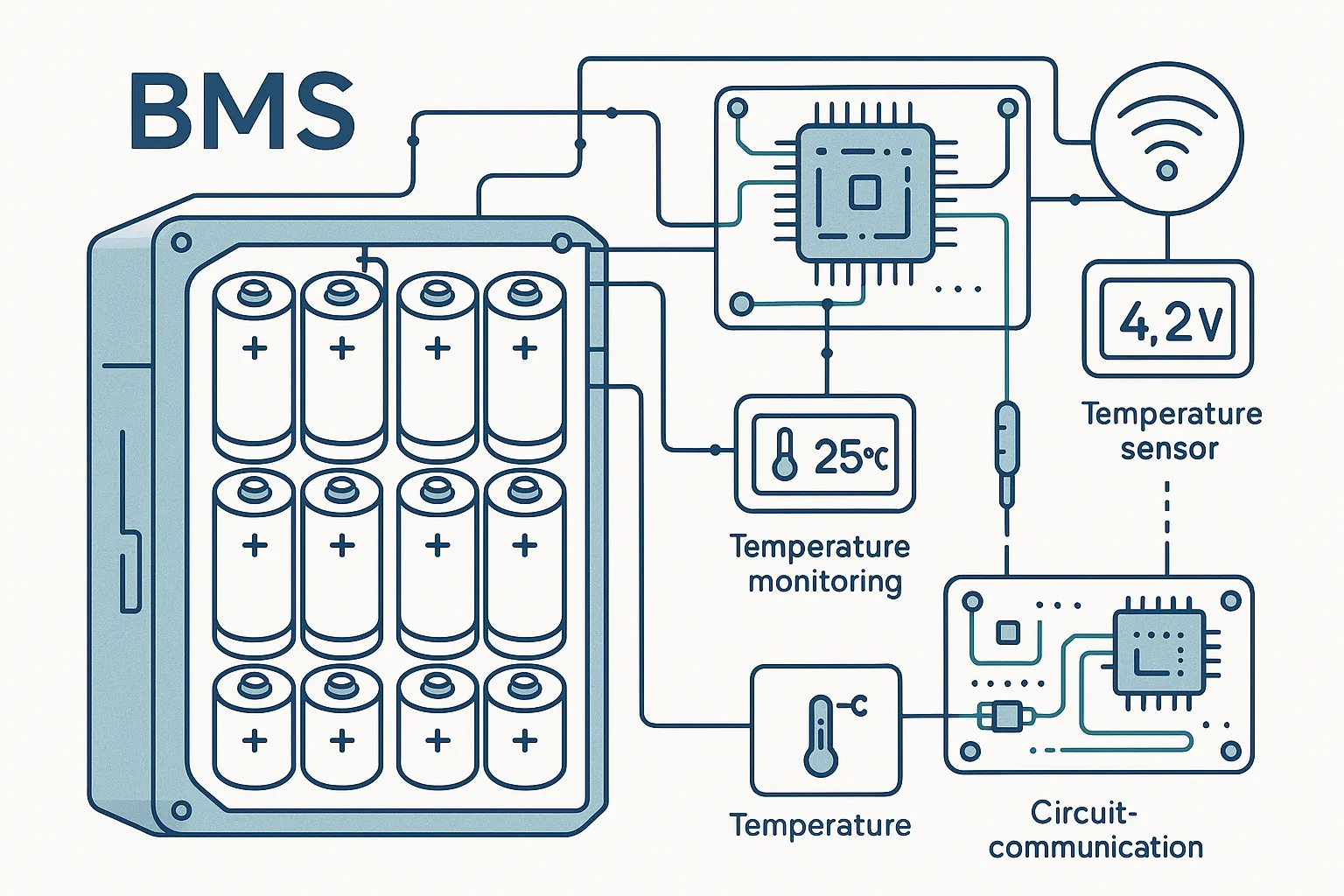
Building management systems for centralized monitoring of HVAC, lighting and utilities.
View Details
Construction Construction
Construction
Turnkey civil, MEP, HVAC and cleanroom construction for pharma, hospitals and industry.
View Details
Testing & Validation
Full cleanroom validation — air velocity, particle count, HEPA integrity, DQ/IQ/OQ documentation.
View Details

Ready to Upgrade Your Facility?

Get in touch with our experts for a free consultation and competitive quote on modular OTs, clean rooms, and more.

Enquire Now
Call Now